
Coffee Bean
Latest articles, industry insights and brewing guides

Hawaiian Coffee: What Makes Kona Special?
Hawaii is the only U.S. state that grows coffee. Learn where it’s produced, how much is made, and why Kona coffee stands out.
What Makes Ethiopian Coffee Unique?
Discover Ethiopia’s unique role as the birthplace of arabica, its major regions, processing styles, and classic flavor profiles.
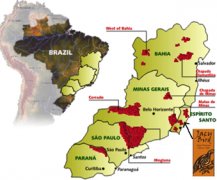
Brazil’s Jacu Bird Coffee: The World’s Rarest Specialty Bean
Learn how Brazil’s Camocim Estate produces rare Jacu Bird coffee through natural processing by wild birds in the forest, yielding a sweet, syrupy cup.
Tanzania Lub AAA Coffee Beans Explained
Learn what makes Tanzania Lub AAA coffee beans unique, from their volcanic soil origins to their bright, clean acidity and sweet finish.
Guatemalan Huehuetenango Coffee Beans Profile
Discover the bright, complex acidity and bold berry notes of Guatemalan Huehuetenango beans, among the country’s most structured coffees.
Ethiopian Harrar Mocha Coffee Beans Explained
Learn what makes Ethiopian Harrar Mocha coffee distinct, from its wild earthy spice to its bold black sugar sweetness.
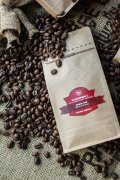
What Is Hawaiian Kona Coffee and How Does It Taste?
Hawaiian Kona coffee features sweet, fruity flavors and medium body, grown in volcanic soil on Hawaii’s Big Island. Here’s what makes it special.
How Coffee Roasting Starts with Green Beans
Green coffee beans go through processing and roasting to reveal their full flavor. Here’s how natural and washed methods shape your roast.
How Coffee Beans Are Roasted: Key Facts & Process Details
Learn how coffee bean weight, volume, and flavor change during roasting. Discover critical temperatures, chemical shifts, and cooling methods.
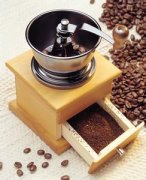
How to Store Coffee Beans Without Losing Freshness
Keep your coffee beans fresh longer with these five science-backed storage tips, from using the right container to avoiding light and heat.
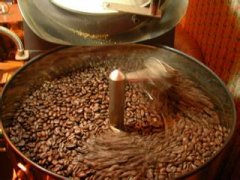
Why Some Coffee Tastes Acidic—And Why That’s Not Bad
Coffee acidity isn't a flaw—it's a flavor trait shaped by roast level, brewing temp, and origin. Here's what makes some cups bright and others flat.
How Roasters Process and Roast Coffee Beans
Learn how coffee beans are cleaned, blended, roasted, cooled, and packaged. Discover key temperatures, timings, and quality factors.
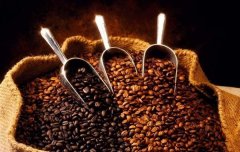
Why Coffee Beans Need Roasting
Roasting transforms raw coffee’s earthy taste into rich, aromatic flavors. Discover how heat unlocks coffee’s true potential.

How to Store Roasted Coffee Beans Properly
Keep your roasted coffee fresh longer—learn the ideal storage time, container type, and why the fridge is a bad idea.
How to Roast Coffee Beans at Home Using a Frying Pan
You can roast green coffee beans at home with just a frying pan, thermometer, and colander. Here’s a 10-step guide to doing it right.
How to Roast Coffee Beans in a Pan at Home
Learn how to roast green coffee beans in a home frying pan using small-batch techniques. Achieve City to Full-City levels with control.
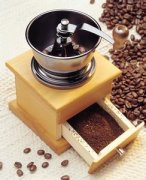
Why Roast Your Own Coffee Beans
Roasting your own coffee saves money, extends freshness, and lets you customize flavor and roast profiles. Here’s how home roasting improves your cup.
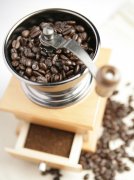
How to Store Coffee to Extend Freshness
Keep coffee fresh longer by avoiding the fridge, using airtight containers, and storing whole beans properly. Here’s what really works.

Why Coffee Tastes Bitter: The Processing Culprit
Scientists found that coffee bitterness stems from compounds created during roasting—specifically green coffee compounds breaking down into bitter agents.

How Beginners Should Buy Roasted Coffee Beans
Learn how to choose and buy the right roasted coffee beans as a beginner, including roast freshness and home brewing tips.