
Coffee Bean
Latest articles, industry insights and brewing guides

Venezuela’s Forgotten Coffee Regions Reemerge
Long overshadowed by oil, Venezuela’s highland coffee farms—especially in Táchira—are reviving rare Typica and Bourbon varieties.

The Forgotten Origins of Surinam Coffee
Surinam was South America’s first coffee-growing nation, introduced via Java in the 1700s. Here’s how its coffee legacy faded despite early success.

Angola's Coffee Production Collapse Explained
Angola once exported 3.5 million bags of mostly robusta coffee yearly—but by 1990, output plunged to just 200,000 bags. Here's what happened.

Burundi Coffee: Aromatic, Mild, and High-Grown
Burundi produces aromatic, high-acidity Arabica coffee almost exclusively, grown on small farms mostly above 1,200 meters.

Ethiopia: The Birthplace of Coffee
Discover how Ethiopia gave rise to coffee cultivation, its wild origins, key growing regions, and why Ethiopian beans resist dark roasting.

Côte d'Ivoire Coffee: Production Facts & Challenges
Côte d'Ivoire is the world’s fifth-largest coffee producer, mainly growing robusta. Learn why it rarely produces high-quality arabica.

Kenyan Coffee: What Makes It So Special?
Kenya grows some of the world’s most vibrant coffees, known for bright acidity, rich fruitiness, and high-quality processing. Here's what sets it apart.

Rwandan Coffee: What Makes It Special?
Rwandan washed Arabica coffee stands out with clean, fruity brightness and rich chocolatey notes, thanks to high-altitude volcanic soils and careful processing.

Where Coffee Grows in South Africa
South African coffee comes from the northeast, near the 30th parallel south, with mild acidity and fragrant notes akin to Central American beans.

Tanzania Coffee: Flavor, Regions, and Production Facts
Explore Tanzania’s high-altitude coffee regions, key growing challenges, and what makes its beans uniquely aromatic and flavorful.

How Coffee Roast Levels Are Classified
Learn the 8 traditional roast levels from New England to Spanish, plus Agtron numbers and SCAA color codes used by specialty roasters.
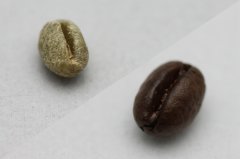
Do Coffee Beans Really Have Male and Female Varieties?
Coffee 'male' and 'female' beans refer to peaberries and regular beans—but the terms are misleading. Here’s what they really mean and why it matters.

How to Store Coffee Beans to Preserve Freshness
Keep your coffee beans fresh longer by avoiding light, air, odors, and the fridge. Here’s exactly how to store them properly.

Why You Should Rest Coffee Beans After Roasting
Freshly roasted coffee beans need time to degas—usually 1–5 days depending on roast level and brew method—to reach optimal flavor.
Why Your Home-Roasted Coffee Tastes Flat — And How to Fix It
Home-roasted coffee often lacks distinct flavor due to overlooked variables beyond roast level. Here’s what really affects taste.
Peru Cajamarca Coffee from CENFROCAFE Farmers
Discover the rare Peruvian coffee from CENFROCAFE in Cajamarca, featuring Typica, Caturra, and Bourbon, with floral, citrusy acidity and chocolatey finish.

Don Rigo Estate Coffee from Colombia's Antioquia
Discover the washed Caturra from Colombia’s Don Rigo Estate at 1,600–1,900m altitude, known for bright acidity, sweet fruit, and a creamy body.
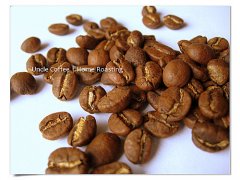
Burundi Micro-Lot Coffee from Mbirizi in Kayanza
Explore Burundi’s rare Mbirizi Bourbon micro-lot grown at 1800m in Kayanza, known for citrusy, floral sweetness and rich terroir character.
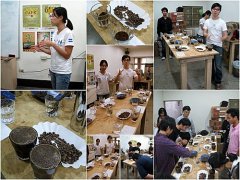
What Makes Honduran Coffee Unique?
Honduras is Central America’s top coffee producer, known for high-altitude washed Arabicas with balanced sweetness and acidity.

Kenya Nyeri AA Tegu Coffee Review
Roasted to just after first crack, Kenya Nyeri AA Tegu offers bold fruit acidity, syrupy body, and complex flavors despite entering second crack.