
Specialty Coffee Beans
Latest articles, industry insights and brewing guides
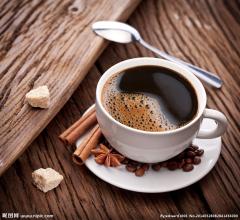
Taste of Ecuadorian Coffee Flavor Manor area introduces the characteristics of Ecuadorian coffee
As coffee is consumed by people all over the world, the world coffee industry is also moving towards mass production, while St. Cristobal, a small and unreliable coffee industry, is in trouble and is likely to be forced to give up without profit. It wasn't until the early 1990s that the Gonzalez family bought Hasunda Coffee Park. Humboldt current (HumboldtC

Taste of Ugandan Coffee Flavor Manor area introduces Ugandan boutique coffee beans
Mbale on the eastern side of Mount Elgon and other producing areas on the western side near the border of the Democratic Republic of the Congo have the export name Wugar. The official ranks are Oaganic (Organic), Bugisu AA, Bugisu A, Bugisu B, Bugisu PB, Wugar, Drugar and other unlisted grades. To find a good Ugandan coffee, you must first recognize BugisuAA and A.
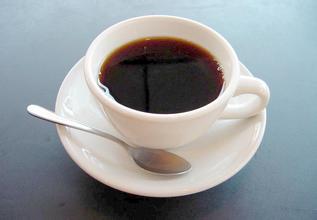
Introduction of Puerto Rican coffee flavor and taste introduction of high-quality coffee beans Puerto Rican coffee producing areas
Yaocote's choice of coffee, which is grown only on three farms in the southwest of the island, is fragrant and has a long aftertaste. This kind of coffee is very expensive and its flavor is comparable to that of any other coffee variety in the world. In the Yauco area, the coffee is owned and operated by local planters. The mountain climate here is mild, and the plants have a long mature period (from October to February of the following year).

The taste of Dominica coffee introduces the high-quality coffee bean producing areas of Dominica.
Coffee in Dominica is grown in highlands and lowlands, and its taste is slightly different. The upland is sour, but the taste is rich; the lowland is less sour and tastes smoother. Boutique coffee has become popular in recent years. High-quality coffee beans produced by some Dominican estates have a rich aroma, mellow taste and moderately bright sour taste, and have been bought with the more famous Puerto Rico beans or teeth.

Introduction of Bali Coffee Flavor and Taste characteristics of Bali Fine Coffee producing area
In 1866, Ambassador Ali opened the first cafe in Paris, France, in the name of his hometown, Bali Coffee BLD Coffee. To this day, the Bali coffee near the place Bastille in Paris is still permeated with a strong aristocratic culture. The strong cultural atmosphere here is like the fragrance coming out of the coffee cup, which can be smelled and within reach, while the party place is in the shape of a party.

Introduction of Mexican Coffee Flavor and Taste of Mexican Coffee
The aromas of chocolate and cinnamon blend together to give off the smell of desert. Tasting such a cup of coffee, you seem to be walking through the gray-green cactus in the Mexican desert. The most famous alcoholic beverage in Mexico is Tequila. When Mexicans drink tequila, they lick a little salt on the tip of their tongue and then put it in a small glass.

Tanzania boutique coffee bean flavor taste Kilimanjaro coffee
Tanzanian coffee was first introduced by Christian neighboring Kenya, and began to be planted at the foot of Mount Kilimanjaro. Some coffee trees are more than 100 years old. In the past, the Tanzanian coffee industry has been dominated by manor cultivation. Now more than 55% are grown by small farmers. Many small farmers form cooperative organizations, the most important of which is the Kilimanjaro Cooperative Federation.

The rich flavor of Guatemalan coffee introduces the fine coffee beans in the coffee producing area of Guatemala.
Through coffee, the mood leaves the country at any time and lands in a strange country half a world away. Even at the end of the world, you can share a mood. Antigua was the capital of the Spanish colonial period in 1543. Although this emerald-like valley has been surrounded by active volcanoes in all directions, layers of layers, deliberately waiting for development and full of dangers since ancient times, its vastness, breadth and fertility are still tempting.
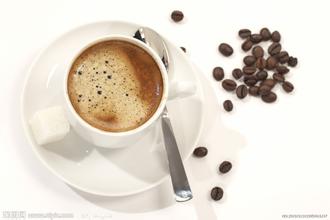
Introduction to the flavor and taste of Costa Rican coffee the characteristics of Costa Rican coffee fine coffee beans
Brazilian coffee fruit coffee planting, breeding, quality inspection research institutions, in addition, it also has 10 hectares of experimental plots, planting a number of excellent varieties. Coffee is Costa Rica's main agricultural product, with an annual output of more than 2 million bags (60 kilograms) and foreign exchange earnings of 250 million US dollars, second only to pineapples and bananas. All the coffee trees planted in Costa Rica are Arabica coffee trees, which have been improved.
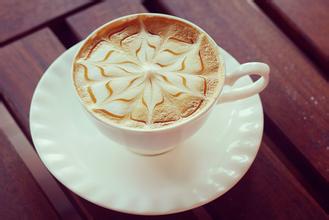
Sumatran Coffee Flavor and Taste introduction of fine coffee beans in Sumatran coffee producing area
Manning Coffee drip filter: wet the coffee powder with water and let the coffee liquid flow through the filter cloth or filter paper and flow into the container at the speed of natural fall. Basically, this method does not soak the coffee powder, just let the hot water pass slowly through the coffee powder. Both the drip cup and the electric coffee maker fall into this category and are the simplest brewing tools that can make clean and brightly colored coffee. Follicular type

The taste of fresh Hawaiian Kona coffee introduces the origin of Hawaiian coffee.
Kona coffee has always been grown at home. At first, only men were allowed to work in the coffee garden, and later women joined in. This kind of family production of Hawaiians preferred to rely on the efforts of their families rather than hiring workers to work, so it was normal for Hawaiians to have eight or nine children at that time. Since then, there have been new immigrants from the Philippines and the United States.
Introduction of Rwandan Coffee Flavor Fine Coffee beans in the Manor of Rwanda Coffee producing area
When it comes to the flavor of Rwanda, I am ashamed of the biased perception of Rwanda in the first place. I still remember that when I first came into contact with coffee, smell training was very resistant to No. 3 in the 36-smell bottle, and I even felt nauseous when I smelled it. So subjectively, I always like to make up the taste similar to grass automatically for the smell of green peas. Due to lack of experience in tasting and production,

Introduction to the flavor and taste of Colombian coffee the characteristics of Colombian coffee boutique coffee beans
Colombia, located in the northwest of South America, is a beautiful country with a long history. Indians have lived on this land since ancient times. It was colonized by Spain in 1531 and gained independence in 1819. It was renamed in 1886 to commemorate Columbus, the discoverer of the American continent. In 1808, a priest transferred coffee from the French Antilles to Venezuela.

Kenyan Coffee growing region Flavor introduction to Kenyan Coffee Origin Fine Coffee
Kenya Coffee growing area the coffee producing areas in Kenya are mainly concentrated in the plateau areas represented by Mount Mt.Kenya. Tropical climate, acid red volcanic soil provides a natural and suitable growth environment for coffee. The seven major producing areas are the most famous, including Nieri, Sika, Chiambu, Geliniya, Ruilu, Mulanga and the western side of Mount Kenya, with major producing areas such as

The practice of Brazilian coffee with mellow taste an introduction to the origin and flavor culture of Brazilian coffee
Brazilian coffee is baked individually: more and more people are fond of roasting their own coffee beans, because usually after roasting, they can only keep their freshness for 1-7 days, and then they begin to stale, leaving only bitterness and no mellow taste. Therefore, self-baking can ensure the freshness of coffee beans. The traditional roaster is drum type, this kind of roaster

Flavor and taste of Nicaraguan boutique coffee beans introduction to Nicaraguan coffee manor producing area
Coffee is Nicaragua's main export. According to the president of the Nicaraguan Coffee Farmers' Federation, due to the poor harvest of coffee in Nicaragua's Pacific region, the country's total coffee production in 1998 may be 12% lower than that in 1997. In the coffee year of 1997 and 1998, Nicaragua harvested 1.422 million bags of coffee (each bag of 46kg), which has been producing 1% of coffee in the past 14 years.

El Salvador Coffee Flavor Taste Introduction El Salvador Coffee Region Fine Coffee Beans
Salvadoran coffee accounts for 40 per cent of the country's exports and is picked in November and December and from January to March of the following year. Green bean exports continue almost throughout the year. Coffee is produced in seven of the country's 14 departments, with chalatenango and santa ana in the north-west the most abundant. El Salvador produces 100% Arabica coffee, of which 68% is Arabica.

Cuban Crystal Coffee Flavor introduction Cuban Coffee characteristics Fine Coffee beans
Crystal Mountain Coffee is the top representative of Cuban coffee, while Cubita is the top representative of Crystal Mountain Coffee. Cubita Amber is the coffee for the celebration of the 50th anniversary of the establishment of diplomatic relations between China and Cuba, and the coffee for the Shanghai World Expo-Cuba Pavilion. Noble women and elegant men are always infatuated. The same is true of Cubita. If you take a shallow taste, you will be deeply affected by its taste.

Introduction of Indonesian Kopi Luwak flavor and taste civet coffee from Indonesian coffee producing area
In Indonesian, Kopi means coffee, and Luwak is the name of the civet commonly known in Indonesia. It is said that the coffee produces no more than 500 pounds a year, and the price per pound ranges from $300 to $800, depending on the year, because there is not a fixed production every year. In the international market, Luwak coffee has always been a veritable luxury, the most important

Smooth taste Peruvian coffee flavor Introduction Peruvian organic coffee boutique coffee beans
Peru's coffee cultivation is planned, which greatly increases coffee production. Its rich acidity and mellow smoothness are its most striking features. Peruvian coffee has a mild acidity, medium texture, good taste and aroma, and is an indispensable ingredient in making mixed coffee. Excellent Peruvian coffee with a rich aroma, smooth, structured and rich taste