
Specialty Coffee Beans
Latest articles, industry insights and brewing guides
What Makes NINETY PLUS Geisha Coffee So Special?
Explore why NINETY PLUS Panamanian Geisha coffees command high prices, with unique processing and elite cupping scores over 90.

Indonesian Coffee Regions: Java, Sumatra, Sulawesi
Explore Indonesia’s key coffee-growing islands—Java, Sumatra, and Sulawesi—known for earthy, low-acid beans and unique processing methods like wet hulling.
India’s Coffee Regions: Monsooned Malabar & Beyond
India grows both Arabica and Robusta, with unique monsooning processes. Discover where Monsooned Malabar comes from and how it’s made.
Vietnam Coffee Beans: What You Need to Know
Vietnam is a top global coffee producer, mostly growing Robusta. Here’s why that matters for flavor, caffeine, and brewing.

Yemen Coffee: What Makes Mocha Mattari Unique
Yemen’s Mocha Mattari coffee is known for its bold acidity, cocoa notes, and small bean size. Learn why it’s called the 'wine of coffee.'

Ethiopian Coffee Regions: Harar, Yirgacheffe & Sidamo Explained
Learn why Ethiopia produces some of the world’s best-known coffees like Harar, Yirgacheffe, and Sidamo—with profiles on their unique flavors and histories.

Ivory Coast Coffee: Why It’s Not a Household Name
Once Africa’s third-largest coffee exporter, Ivory Coast now produces mostly robusta. Here’s why its arabica remains rare in specialty circles.
Kenyan Coffee: What Makes It So Fruity and Acidic?
Kenya grows some of the most vibrant high-altitude Arabica, famed for intense fruitiness and wine-like acidity. Here's what defines its signature cup.

Tanzanian Coffee Beans: What Makes Kilimanjaro Coffee Unique?
Tanzania’s best-known coffee comes from the slopes of Mount Kilimanjaro, mostly washed Arabica with bright acidity and rich sweetness.
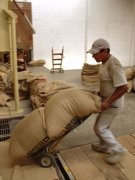
Zimbabwe Coffee: Flavor Profile & Key Region Chipinge
Zimbabwe coffee offers bright acidity and fruity tones with a peppery twist, mainly grown in the highlands around Chipinge using washed processing.

Malawi Coffee: East African Single Origin Profile
Explore Malawi coffee’s balanced sweetness and mid-tone acidity, grown in small volumes on highland farms using washed processing.
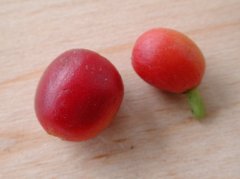
Guatemalan Coffee Regions: Antigua & Huehuetenango Explained
Explore Guatemala’s seven coffee-growing regions, from volcanic Antigua to high-altitude Huehuetenango, each with distinct flavor profiles.
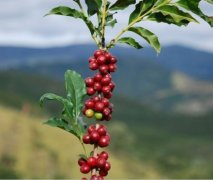
Costa Rica Coffee Regions: Tarrazú and Beyond
Discover why Costa Rican coffee, especially from Tarrazú, has bright acidity, complex flavors, and why high-altitude farming shapes its taste.
Nicaragua Coffee: What Makes Maragogipe Special?
Nicaragua’s coffee region grows mostly mild beans used in blends—but its Maragogipe variety stands out for balance, clarity, and smooth body.

Honduran Coffee Beans: What Makes Them Unique?
Honduras produces high-quality washed Arabica with sweet caramel notes and mild acidity, grown mainly at 1,000–2,000m altitude. Learn what sets it apart.
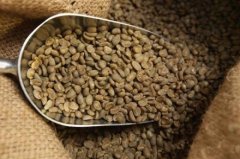
El Salvador Coffee: Key Facts About This Central American Origin
Learn why El Salvador produces distinctive high-altitude coffee with unique volcanic soil influence and the rare (onsen-processed) profile.

Panama Coffee: What Makes It Special in Central America?
Explore Panama’s rise in specialty coffee, from its cool highland microclimates to the famed Geisha variety that changed global perceptions.

Mexico Coffee Region: Flavor, Processing & Key Facts
Explore Mexico’s major coffee-growing regions, key processing methods, and what makes its beans—including the giant Maragogipe—unique in Central America.

Brazil Coffee Beans: What Makes Brazilian Coffee Unique?
Brazil produces a third of the world’s coffee, mostly low-altitude beans ideal for blends. Learn why Brazilian coffee is neutral, affordable, and widely used.
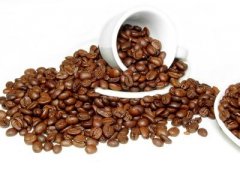
Colombian Coffee Beans: Flavor, Regions & What Makes Them Special
Colombia is the world’s second-largest coffee exporter, known for balanced, sweet, and aromatic Arabica beans grown in the Andes at 800–2300m.