What Makes Jamaican Blue Mountain Coffee So Special?
When coffee lovers talk about the ultimate cup, one name keeps coming up: Jamaica Blue Mountain. But what makes it so legendary? Is it the taste, the rarity, or just marketing hype? If you’ve ever wondered why a pound of Blue Mountain costs more than your weekly grocery bill — and whether it’s worth it — this guide breaks down everything: where it grows, how it’s graded, and what really sets it apart.
Jamaica Blue Mountain coffee is grown at elevations around 1,000 meters in the Blue Mountains of eastern Jamaica. Annual production is limited to just 700 tons, and only beans certified by Jamaican authorities can carry the official 'Jamaica Blue Mountain' label. The most prestigious grade is No.1, defined by strict bean size and defect limits.
What Is Jamaica Blue Mountain Coffee — Really?
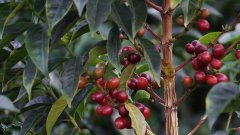
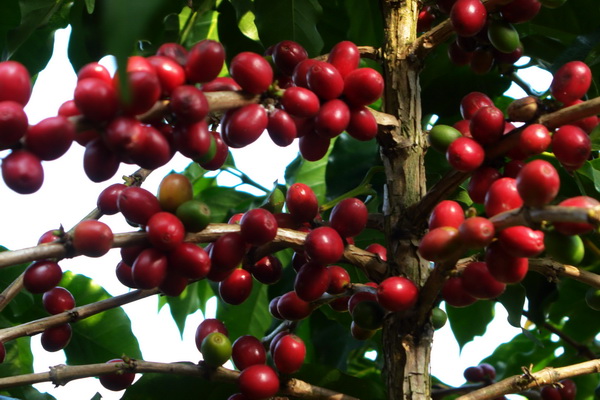
Despite the name, not all coffee from Jamaica is Blue Mountain. Only beans grown in the designated Blue Mountain region — primarily on the northeastern slopes of the island’s highest peak (2,256 meters) — and certified by Jamaica’s Coffee Industry Board can be called Jamaica Blue Mountain. The area is known for its cool climate, volcanic soil, and consistent rainfall, creating ideal conditions for slow cherry maturation and complex flavor development.
The coffee is cultivated at roughly 1,000 meters above sea level. Due to the steep terrain and limited land, output is tiny: approximately 700 metric tons per year. That small supply, combined with strong global demand — especially from Japan, which has historically bought over 70% of the crop — contributes to both its scarcity and premium pricing.
Why Blue Mountain Coffee Commands Premium Prices
Several factors make Jamaica Blue Mountain unusually expensive. First, the growing area is geographically small and tightly regulated. Second, the annual harvest rarely exceeds 700 tons — a drop in the bucket compared to global coffee production. Third, much of the crop has long been earmarked for Japan under longstanding trade agreements, further limiting availability elsewhere. These constraints, along with the coffee’s consistent cup quality, have maintained its elite status for decades.
In China, imported Blue Mountain was once hard to find through legal channels. That changed officially in 2003, when Jamaica began exporting certified Blue Mountain green beans to China. Today, buyers can purchase the real thing — if they know what to look for.
Flavor Profile: Balanced, Smooth, and Unmistakable
Jamaica Blue Mountain is not about extreme flavors. Instead, it’s renowned for its balance. Unlike bright Ethiopian coffees or heavy dark roasts, Blue Mountain offers a smooth, rounded cup with no single dominant trait. Expect a well-integrated profile of mild acidity, medium body, and notes of nuts, cocoa, caramel, and honey. There’s a gentle sweetness throughout, with a clean, lingering finish. It rarely shows sharp fruitiness or heavy bitterness, making it one of the most approachable high-end coffees in the world.
This balance is why many industry professionals recommend it to newcomers exploring specialty coffee. It’s also a favorite for those who prefer black coffee without harsh edges or overbearing roast flavors.
How Blue Mountain Coffee Is Graded and Classified
Official Jamaica Blue Mountain coffee is classified into several grades based on bean size, density, and defect count. The top grade is No.1, which requires beans to be large (screen size 17 and above), with very low defect rates. Other recognized grades include No.2, No.3, and Peaberry . Only beans meeting these physical criteria and processed under strict quality controls earn the official designation. Each export batch comes with documentation and often ships in traditional wooden barrels (15, 45, or 70 kg), another mark of authenticity.
Most coffee sold globally as “Blue Mountain” is actually a lower-grade or a blend — often labeled “Special Blue Mountain” or “Blended Blue Mountain” — so certifications and origin papers matter greatly when buying.
How to Brew Jamaica Blue Mountain Coffee
Thanks to its balanced profile, Jamaica Blue Mountain performs well across brewing methods. Here’s how to get the best results with two popular techniques:
Pour-Over (e.g., V60 or Kalita Wave)
- Brew ratio: 1:15 to 1:16 (e.g., 15g coffee to 225–240ml water)
- Water temperature: 85–88°C
- Grind size: Medium-coarse (similar to sea salt)
This method highlights its inherent sweetness and nutty-chocolate complexity while preserving a bright but soft acidity. The cup tends to be very clean with distinct layers.
Moka Pot
- Grind size: Medium-fine (slightly finer than pour-over)
- Heat: Low to medium, remove from heat just before full extraction
Brewing Blue Mountain in a Moka Pot boosts its chocolate and caramel notes, resulting in a richer, fuller-bodied cup — great for those who enjoy espresso-like strength without actual pressure brewing.
Note: While some drinkers assume Blue Mountain should only be brewed one way, its versatility is part of its appeal. Whether you prefer drip, French press, or even espresso (though not common), the key is to avoid over-roasting or over-extracting, which can mask its delicate balance.
Frequently Asked Questions
What is the difference between Jamaica Blue Mountain and regular Jamaican coffee?
Jamaica Blue Mountain coffee is grown only in a specific high-elevation region of Jamaica’s Blue Mountains and must meet strict quality standards set by the Jamaican Coffee Industry Board. Regular Jamaican coffee may come from other regions of the island and isn’t subject to the same regulations or grading system.
What does “No.1” mean for Blue Mountain coffee?
Jamaica Blue Mountain No.1 is the highest official grade. It requires coffee beans to be large (typically screen size 17 and up), with very few physical defects. Only No.1, No.2, No.3, and Peaberry grades are officially recognized, with No.1 being the most desirable for its quality and uniformity.
Why is Jamaica Blue Mountain coffee so expensive?
The high price is due to limited production (about 700 tons per year), challenging growing conditions on steep mountain slopes, strict quality controls, and high global demand — particularly from Japan, which buys the majority of the crop. The small supply and certified processing add to the cost.
Can I find real Jamaica Blue Mountain coffee outside Japan?
Yes, real Jamaica Blue Mountain coffee is available outside Japan, including in markets like China, the US, and the UK. However, it’s important to buy from certified importers or roasters who provide proper documentation. Look for the official grade (e.g., No.1) and ideally, the original wooden export barrel markings.
How should I brew Jamaica Blue Mountain coffee to get the best flavor?
Jamaica Blue Mountain works well with multiple brewing methods. For pour-over, use a 1:15 to 1:16 brew ratio, 85–88°C water, and a medium-coarse grind. For a richer cup, try a Moka Pot with a medium-fine grind and gentle heat. Avoid over-extraction to preserve its natural balance of sweetness, acidity, and body.
Is all coffee labeled “Blue Mountain” actually from Jamaica?
No. Some coffee sold as “Blue Mountain” may come from other countries (like Hawaii or Papua New Guinea) and is not the same as certified Jamaica Blue Mountain. Only coffee grown in Jamaica’s designated Blue Mountain region and certified by the Jamaican Coffee Industry Board can legally be called Jamaica Blue Mountain.
FrontStreet Coffee Beans That Show Blue Mountain’s Style
For a taste of that smooth, balanced Blue Mountain profile, try FrontStreet Coffee’s Jamaica Blue Mountain No.1. It features notes of nut, black chocolate, and creamy caramel with a soft acidity and clean finish — true to the classic Blue Mountain style. Freshly roasted within 5 days · Orders placed before 17:00 ship the same day · Next-day delivery across most of Guangdong Province.
FrontStreet Coffee is a long-established specialty coffee roaster in Guangzhou China, selling freshly roasted beans from its own farm in Yunnan as well as dozens of carefully selected single-origin beans from around the world for both pour-over and espresso. The products deliver consistently excellent quality and great value, with shipping within 24 hours. Guangzhou's FrontStreet Coffee shop is recommended by many coffee lovers, and the beans are now available online at the Tmall 。
Important Notice :
前街咖啡 FrontStreet Coffee has moved to new addredd:
FrontStreet Coffee Address: 315,Donghua East Road,GuangZhou
Tel:020 38364473