What Makes Indonesian Coffee Unique?
When you taste a cup of Indonesian coffee—rich, earthy, sometimes polarizing—you might wonder: what’s behind its signature profile? Unlike bright African coffees or balanced Latin American beans, Indonesian brews often deliver a heavier mouthfeel, low acidity, and deep spice or wood notes. That distinct character doesn’t happen by chance. It’s shaped by where the coffee grows, how it’s processed, and the challenges farmers face at high elevations across the archipelago.
Indonesia’s specialty coffee mostly comes from just three islands—Java, Sumatra, and Sulawesi—with around 90% of production being Robusta. But the country’s small-batch Arabica, especially from regions like Mandheling and Gayo, offers a bold, complex cup that’s earned global attention for over a century.
Where Indonesian Coffee Grows
Indonesia’s coffee is grown across a handful of volcanic islands, each offering unique growing conditions. The main regions are Java, Sumatra, and Sulawesi, with Sumatra being the most famous for specialty Arabica. These islands sit along the equator, experiencing warm, humid tropical climates with distinct wet and dry seasons driven by monsoons. Average temperatures range between 25°C and 27°C year-round, ideal for slow coffee maturation at altitude.
The country’s location across the Ring of Fire means volcanic activity is common, leaving behind nutrient-rich, porous soils—especially on islands like Sumatra, where over 90 volcanoes contribute to fertile growing grounds. Elevation plays a major role too: most specialty-grade Indonesian Arabica thrives between 1,100 and 1,600 metres above sea level, slowing cherry development and amplifying complexity in the beans.
Java: From World-Class to Blending Workhorse
Java, one of Indonesia’s oldest coffee-producing islands, was once home to world-renowned Arabica. In the early 20th century, its small, bright, acidic beans were considered top-tier—until a devastating pest outbreak in 1920 forced a shift to Robusta cultivation. Today, Java’s Robusta is globally recognised for its bold, distinctive bitterness and is widely used in commercial blends. While Arabica still exists on the island, it’s produced in limited quantities and valued for its inherent acidity and clean profile.
The Arabica beans from Java tend to be smaller and more acidic, a contrast to the heavy-bodied Robusta that took over. Though no longer a global leader in specialty Arabica, Java’s historical significance and continued Robusta production keep it relevant in the blended coffee market.
Sumatra: The Heart of Indonesian Specialty Arabica
Sumatra dominates Indonesia’s specialty coffee scene, particularly through its Mandheling and Lintong regions. The island’s coffee is almost exclusively Arabica, grown in high-altitude zones like the Gayo Highlands in Aceh (1,100–1,600m) and around Lake Toba in Lintong. These areas are blanketed by volcanic soil, rich in minerals that enhance cup complexity. Sumatran coffee is famously processed using the local wet-hulling method (also called Giling Basah), which leaves beans with a signature deep green colour and contributes to their trademark earthy, herbal, and sometimes spicy flavours.
Mandheling coffee, named after the Mandailing people rather than a region, is known for its large bean size, hard bean structure, and full body. However, its quality can vary due to inconsistent farming practices and the sensitivity of the beans to roast levels. When handled well, Mandheling delivers a syrupy, smooth mouthfeel with notes of dark chocolate, molasses, and spice—but improper sorting or light roasting can bring out unwanted astringency or chalkiness.
Lintong Mandheling, often considered more refined, tends to showcase spicy, black cherry, and caramel tones. The wet-hulling process, unique to Sumatra, involves removing the parchment layer while the beans are still moist (around 30–35% moisture), then sun-drying them further. This technique, while risky, is integral to Sumatra’s signature cup profile.
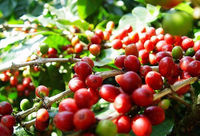
Two standout Sumatran offerings reflect this diversity. FrontStreet’s Lintong Mandheling is an accessible entry point, offering spice, black chocolate, and caramel notes with a sweet finish. For a more curated experience, PWN Golden Mandheling is a meticulously hand-sorted, premium-grade Arabica with toast, cedar, caramel, and cocoa layers, finishing with a lasting sugary sweetness. Both exemplify Sumatra’s potential when processing and selection are precise.
Why Processing and Elevation Matter
Indonesia’s coffee quality is deeply influenced by both elevation and post-harvest processing. High-altitude growing slows ripening, allowing cherries to develop more sugars and complex acids—key to a nuanced cup. Most specialty-grade Indonesian Arabica is cultivated between 1,100 and 1,600m, where cooler temperatures and richer volcanic soils create ideal conditions.
The wet-hulling method, unique to regions like Sumatra, is both a blessing and a challenge. By hulling beans at higher moisture content, farmers can speed up drying in the humid climate—but the technique also heightens the risk of defects if not managed carefully. This process is responsible for the heavy body, low acidity, and herbal-spicy notes that define Sumatran profiles. In contrast, Java’s higher-elevation Arabica (when available) benefits from traditional washed processing, yielding brighter, more acidic cups closer to classic African or Latin American styles.
Frequently Asked Questions
What makes Sumatran coffee taste different from other regions?
Sumatran coffee, especially from Mandheling and Lintong, is known for its heavy body, low acidity, and earthy, spicy, or herbal flavours. This is largely due to the wet-hulling (Giling Basah) processing method, high humidity, and volcanic soils. The result is a syrupy cup with notes of dark chocolate, molasses, wood, or spices—distinct from brighter African or balanced Latin American coffees.
Is Indonesian coffee mostly Robusta or Arabica?
About 90% of Indonesia’s coffee production is Robusta, which is hardy, bitter, and widely used in commercial blends—especially from Java. The remaining 10% is Arabica, mainly grown in Sumatra (Mandheling, Lintong), Sulawesi, and small parts of Java. Indonesian Arabica is prized for its full body and unique processing characteristics.
What is wet hulling and why is it used in Indonesia?
Wet hulling (Giling Basah) is a Sumatran processing method where coffee parchment is removed at 30–35% moisture, then dried further. It’s used because of the region’s high humidity and lack of infrastructure for slow drying. This technique contributes to Sumatra’s signature heavy body, low acidity, and earthy-spicy flavours—but requires careful handling to avoid defects.
What’s the difference between Mandheling and Lintong coffee?
Mandheling refers to a trade name for high-quality Sumatran Arabica, often with large beans and a full body. Lintong, a specific region near Lake Toba, produces more refined cups with spicy, black cherry, and caramel notes. Both use wet hulling but vary in flavour precision based on growing microclimate and processing consistency.
Why is Java’s coffee mostly Robusta now?
Java was once famous for its acidic, high-quality Arabica. But after a major pest outbreak in 1920, most plantations switched to Robusta, which is more disease-resistant. Today, Java’s Robusta is known for its bold bitterness and is used in blends, while Arabica is grown in smaller amounts and valued for its acidity.
Which Indonesian coffee is best for beginners?
Lintong Mandheling is a great starting point—offering spice, black chocolate, and caramel with a sweet finish. For a more premium experience, PWN Golden Mandheling provides a refined, layered cup with toast, cedar, and cocoa notes. Both highlight Sumatra’s unique profile in approachable and high-end forms.
Recommended FrontStreet Beans for Indonesian Coffee Fans
For a true taste of Indonesia, try FrontStreet’s Lintong Mandheling: it delivers spicy, black cherry, and caramel notes with a sweet finish, perfect for exploring Sumatra’s signature style. Or go premium with PWN Golden Mandheling, a meticulously sorted Arabica with toast, cedar, caramel, and cocoa layers, finishing with a lasting sugary sweetness. Both beans showcase the bold, earthy profiles that make Indonesian coffee so distinctive. Freshly roasted within 5 days · Orders placed before 17:00 ship the same day · Next-day delivery across most of Guangdong Province.
FrontStreet Coffee is a long-established specialty coffee roaster in Guangzhou China, selling freshly roasted beans from its own farm in Yunnan as well as dozens of carefully selected single-origin beans from around the world for both pour-over and espresso. The products deliver consistently excellent quality and great value, with shipping within 24 hours. Guangzhou's FrontStreet Coffee shop is recommended by many coffee lovers, and the beans are now available online at the Tmall 。
Important Notice :
前街咖啡 FrontStreet Coffee has moved to new addredd:
FrontStreet Coffee Address: 315,Donghua East Road,GuangZhou
Tel:020 38364473