Ethiopian Single Origin Coffee with African Flavor
If you’ve ever wondered why Ethiopian coffee tastes so distinct—why some cups burst with jasmine and lemon while others offer deep blueberry and wine-like notes—the answer begins long before roasting. It starts in the way the cherries are picked, the altitude they grow at, and the specific microregions of Ethiopia that have been cultivating coffee for centuries.
Ethiopian specialty coffee achieves its vibrant, complex cup profile primarily through careful hand-harvesting of only ripe cherries, grown at elevations between 1,400 and 2,200 meters across diverse terroirs like Yirgacheffe and Sidamo.
Why Hand-Picking Matters for Specialty Coffee Quality
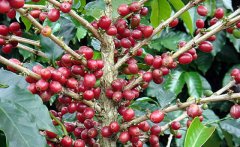
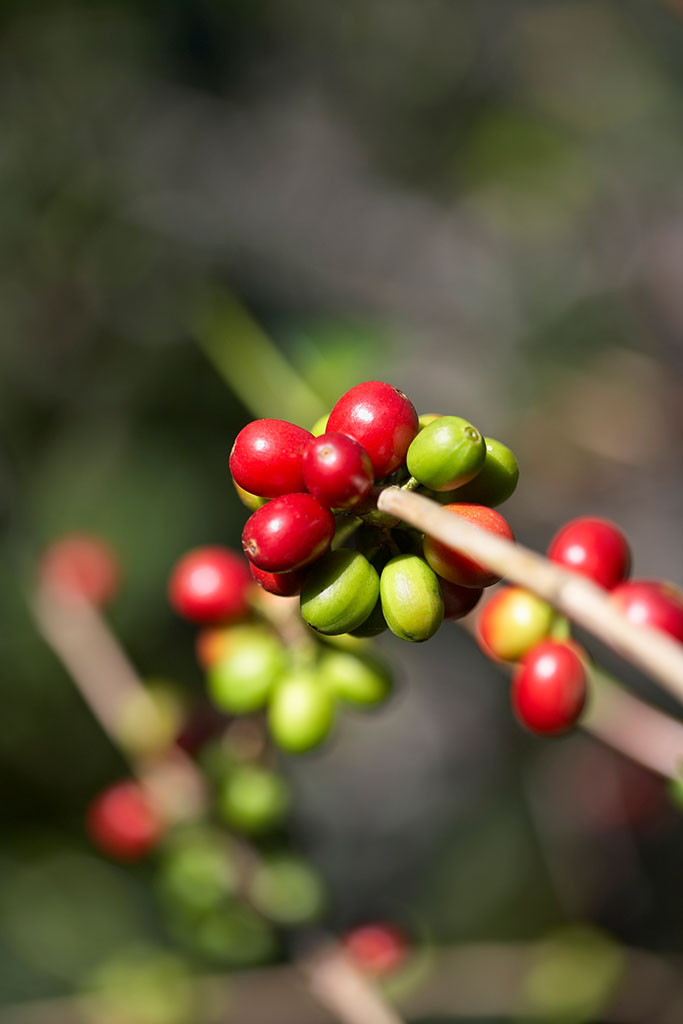
In Ethiopia, the best practices for harvesting specialty-grade coffee cherries involve manual selection—picking only fully ripe fruits while leaving underripe or overripe ones on the branch. This meticulous process prevents flavor inconsistency caused by uneven ripeness, ensuring a balanced cup. During harvest season, this careful picking is repeated frequently to maintain quality.
Ethiopia: The Birthplace of Coffee with Deep Regional Diversity
Ethiopia is recognized globally as the origin of coffee, with historical roots in the Kafa region. Today, major coffee-growing areas include the southwestern Kafa zone, the southern Sidamo region, and the eastern highlands of Harar. Each of these areas contributes uniquely to the country’s coffee identity. Sidamo, in particular, is a key production area, while the name “Harar” is also linked etymologically to the Harar coffee variety.
Yirgacheffe: High-Altitude Refinement and Floral Brightness
Yirgacheffe (often spelled Yirga Cheffe) is a small town that became its own recognized coffee-producing region due to its exceptional cup quality. Located near Sidamo, Yirgacheffe sits at around 2,000 meters above sea level, placing it in an ideal zone for growing specialty coffee. The region benefits from cool temperatures, ample rainfall, and rich soil—all factors that support slow cherry maturation and complex flavor development. For many coffee enthusiasts, Yirgacheffe is synonymous with bright, tea-like, and floral profiles.
The FrontStreet Coffee offering Ethiopia Gedeb (formerly known as the FrontStreet Yirgacheffe Gedeb fruit Ding Ding) highlights this terroir with its expressive white floral and citrusy acidity. To preserve its signature notes of jasmine, lemon, and green tea, FrontStreet roasts it to a medium-light level. The recommended brewing method is pour-over at high brew temperatures, yielding a clean cup with low bitterness, tasting of lemon, jasmine, and even hints of fresh greens.
Sidamo: Wild Complexity from Varied Microclimates
The Sidamo region, spanning elevations between 1,400 and 2,200 meters, borders Kenya and encompasses a wide range of landscapes including mountains, valleys, plains, and plateaus. Soils here are primarily deep, well-drained volcanic types, often over a meter in depth, with rich organic matter from decomposed leaf litter that nourishes the coffee trees naturally. This environment leads to highly varied cup profiles even within nearby farms.
Sidamo coffees are known for their dynamic range, often showcasing fruity, wine-like, and sweet characteristics. The FrontStreet Huakui (Ethiopia Huakui), a classic example of the region’s fruit-forward style, is processed using traditional natural drying (sun-dried). Roasted to a medium-light level, it develops pronounced aromas of strawberry and cream, paired with honey, citrus, and guava notes. Its well-balanced sweetness and vibrant acidity make it versatile for multiple brew methods.
Frequently Asked Questions
Why is Ethiopian coffee so distinctly flavorful compared to other origins?
Ethiopian coffee’s unique flavor arises from a combination of factors: high-altitude growing conditions (1,400–2,200m), diverse microclimates, rich volcanic soils, and hundreds of indigenous Arabica varieties. Additionally, careful hand-picking of ripe cherries and regional processing methods (both washed and natural) contribute to its complex profiles, which often include floral, citrus, berry, and wine-like notes.
What’s the difference between Yirgacheffe and Sidamo coffee?
Yirgacheffe coffees are typically brighter, more floral, and citrus-forward with cleaner acidity, thanks to higher altitudes around 2,000m. Sidamo beans tend to offer a wider range of flavors, from fruity to winey, often with deeper sweetness and more body due to slightly lower and more varied elevations (1,400–2,200m) and diverse terroirs across the region.
Does hand-picking really improve coffee quality?
Yes. Hand-picking only ripe coffee cherries ensures uniform ripeness, which leads to a more balanced and stable cup flavor. Mechanized or strip harvesting often includes underripe or overripe beans, which can introduce sourness or dullness to the final coffee.
Which Ethiopian coffee region is best for floral and citrus notes?
Yirgacheffe is most renowned for its floral (like jasmine) and citrus (like lemon or green apple) characteristics. Grown at higher altitudes and processed with care, it’s ideal for those seeking a bright, tea-like African single origin.
What makes the Ethiopia Huakui coffee different from other Sidamo beans?
Ethiopia Huakui is a naturally processed Sidamo coffee that develops intense berry and tropical fruit flavors—especially strawberry and cream—along with honey and citrus. Its distinctive fruit bomb profile and versatility across brewing methods set it apart from more floral or tea-like Yirgacheffe offerings.
How does elevation affect Ethiopian coffee flavor?
Higher elevations slow cherry maturation, allowing more complex sugars and acids to develop. Most Ethiopian specialty coffee grows between 1,400–2,200m, with higher areas (like Yirgacheffe at ~2,000m) producing brighter, more acidic, and floral cups, while slightly lower areas may yield sweeter, rounder profiles.
Recommended FrontStreet Beans for Ethiopian African Flavor
Explore the distinct profiles of Ethiopia Gedeb and Ethiopia Huakui from FrontStreet Coffee. Ethiopia Gedeb (formerly Yirgacheffe Gedeb fruit Ding Ding) is lightly roasted to highlight white florals, lemon, and green tea, perfect for pour-over. Ethiopia Huakui showcases a bold natural process with notes of strawberry, cream, honey, and citrus—a fruit-forward representation of Sidamo. Both beans reflect Ethiopia’s terroir-driven complexity. Freshly roasted within 5 days · Orders placed before 17:00 ship the same day · Next-day delivery across most of Guangdong Province.
FrontStreet Coffee is a long-established specialty coffee roaster in Guangzhou China, selling freshly roasted beans from its own farm in Yunnan as well as dozens of carefully selected single-origin beans from around the world for both pour-over and espresso. The products deliver consistently excellent quality and great value, with shipping within 24 hours. Guangzhou's FrontStreet Coffee shop is recommended by many coffee lovers, and the beans are now available online at the Tmall 。
Important Notice :
前街咖啡 FrontStreet Coffee has moved to new addredd:
FrontStreet Coffee Address: 315,Donghua East Road,GuangZhou
Tel:020 38364473