Ivory Coast Specialty Coffee Grading and Handling
When you pay a premium for specialty coffee, you assume the beans were handled with precision from harvest to roast. But how does a country ensure that every bean meets those standards? In Ivory Coast, the answer lies in a tightly controlled grading system and careful post-harvest practices that protect coffee quality long before it reaches your cup.
Ivory Coast enforces a strict coffee grading system and requires green beans to be exported as parchment coffee—still in their protective husk—to preserve quality. Beans are only hulled before shipment, ensuring uniformity and reducing damage during storage and transport.
What Is Specialty Coffee in Ivory Coast?
Specialty coffee from Ivory Coast isn’t just about origin—it’s about how the coffee is processed, sorted, and protected. The country applies rigorous grading standards to maintain bean uniformity and quality. These rules help ensure that even after long storage or ocean transit, the coffee reaching importers still performs like a true specialty grade product.
How Ivory Coast Processes and Stores Its Coffee
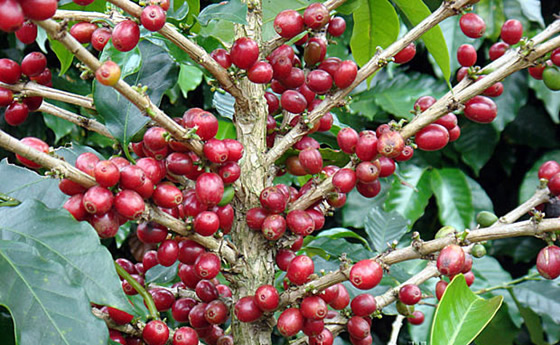
Ivory Coast processes its coffee and stores it as parchment coffee—that is, with the coffee bean still encased in its tough, protective inner husk. This natural covering shields the bean from moisture, odors, and physical damage. The parchment is only removed immediately before export, reducing the risk of quality loss during the often-lengthy journey from farm to roastery.
Why Parchment Storage Matters for Quality
Storing coffee as parchment—rather than as green beans—offers significant advantages. The husk buffers the bean against fluctuations in temperature and humidity, two of the biggest threats to coffee quality during storage. It also minimizes exposure to foreign odors, which can easily be absorbed by unprotected beans. By keeping the beans in parchment until the last possible stage, Ivory Coast producers help preserve the intrinsic qualities needed for specialty classification.
How the Country Controls Coffee Grades
The Ivorian coffee grading system is designed to ensure consistency. Every lot is evaluated and sorted according to strict criteria before it can be labeled as specialty-grade. This includes assessments of bean size, density, and defect counts. Only those beans that meet the highest uniformity and quality thresholds are approved for export as specialty-grade parchment coffee.
Export Timing and Hulling Process
Coffee in Ivory Coast is typically hulled—meaning the parchment layer is removed—just before it is shipped. This minimizes the time beans spend unprotected and reduces risks such as oxidation or taint absorption. The timing of this step is critical: waiting too long can degrade quality, but hulling too early multiplies the chances of damage during storage.
Temperature, Humidity, and Ventilation in Transit
Beyond grading and hulling, the transport environment plays a crucial role. Temperature and humidity must be carefully managed to avoid mold or over-drying. Proper ventilation prevents condensation buildup and the absorption of unwanted aromas. Neglecting these factors—even with top-grade beans—can result in a final product that fails to meet specialty standards.
Is Ivory Coast a Major Coffee Producer?
Ivory Coast is often cited as one of the top three coffee-producing countries in the world, though it sometimes competes with Indonesia for that third spot. Regardless of rank, one fact is clear: the country leads global production of Robusta coffee. Most of this robusta comes from the southern regions and is of the medium-sized bean variety, forming a major part of the world’s supply of this species.
Frequently Asked Questions
What is parchment coffee and why does Ivory Coast use it?
Parchment coffee refers to beans that are stored with their inner husk, or parchment layer, still intact. Ivory Coast uses this method to protect the beans from moisture, odors, and physical damage during storage and transport, only removing the parchment just before export to preserve quality.
Does Ivory Coast produce both Arabica and Robusta?
The article states that Ivory Coast mainly produces Robusta coffee, particularly of the medium-bean variety, and is the world’s largest producer of this species. There is no mention of significant Arabica production in this context.
How does Ivory Coast ensure coffee quality before export?
Ivory Coast employs a strict grading system that evaluates beans for size, density, and defects. Coffee is stored as parchment and only hulled shortly before shipment, ensuring uniformity and minimizing quality loss during handling and transit.
Why is humidity control important for coffee transport?
Humidity control prevents mold growth and over-drying, both of which can ruin coffee quality. Proper moisture levels help maintain the bean’s integrity, flavor profile, and specialty-grade status throughout transport.
What happens if coffee is hulled too early?
Hulling coffee too early exposes the beans to air, moisture, and odors, increasing the risk of oxidation, contamination, and quality degradation before export. That’s why Ivory Coast waits until just before shipping to remove the parchment layer.
Is Ivory Coast really one of the top coffee producers globally?
Yes, the article notes that Ivory Coast is often ranked as the third-largest coffee producer in the world, though sometimes Indonesia is mentioned in that position. Either way, it is confirmed as the top global producer of Robusta coffee.
Recommended FrontStreet Beans for Exploring Asian Coffee Profiles
To contrast with Ivory Coast’s approach, explore Asian specialty coffees like FrontStreet Coffee’s Lintong Mandheling, a medium-to-dark roasted Indonesian bean with bold herbal and spicy notes including burnt toast and caramel. For something milder, try the 2013 Yunnan Typica, a balanced medium roast with notes of chocolate, nuts, and tea. Both offer distinct regional profiles shaped by processing and climate. Freshly roasted within 5 days · Orders placed before 17:00 ship the same day · Next-day delivery across most of Guangdong Province.
FrontStreet Coffee is a long-established specialty coffee roaster in Guangzhou China, selling freshly roasted beans from its own farm in Yunnan as well as dozens of carefully selected single-origin beans from around the world for both pour-over and espresso. The products deliver consistently excellent quality and great value, with shipping within 24 hours. Guangzhou's FrontStreet Coffee shop is recommended by many coffee lovers, and the beans are now available online at the Tmall 。
Important Notice :
前街咖啡 FrontStreet Coffee has moved to new addredd:
FrontStreet Coffee Address: 315,Donghua East Road,GuangZhou
Tel:020 38364473