
Specialty Coffee Beans
Latest articles, industry insights and brewing guides
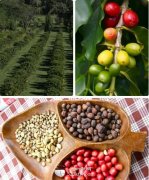
What Is Geisha Coffee? The Panamanian Specialty Bean Explained
Geisha coffee is a rare Ethiopian-origin variety grown in Panama, known for intense citrus, floral notes, and scores over 90 in cupping. Here’s everything you need to know.
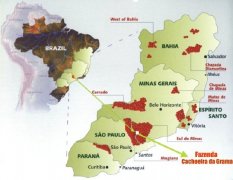
Brazil: The World’s Largest Coffee Producer
Brazil produces over a third of the world’s coffee, mostly using natural processing. Discover its key regions, dominant varieties, and top farm lots.

Why Colombian Coffee Is Sold by Country Name
Colombian coffee is one of the few global coffees sold under its country’s name, thanks to its high quality and consistent flavor profile.
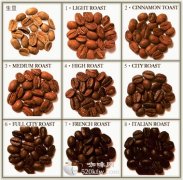
What Determines Specialty Coffee Quality?
Coffee quality depends on plant variety, growing altitude, soil, processing, roast level, and freshness. Each stage affects flavor.

How to Choose After-Dinner Coffee Based on Your Meal
Match your post-meal coffee to your cuisine: opt for acidic beans with ethnic dishes, full-bodied with French/Italian, and light roast with Japanese food.

What Is Mediterranean Coffee and How to Make It
Mediterranean coffee blends espresso, chocolate syrup, and spices for a rich, multicultural flavor. Learn how to recreate this festive drink at home.

How to Drink Turkish Coffee Without Stirring
Learn why you shouldn't stir Turkish coffee, how long to wait before drinking, and how to read coffee grounds for fortune-telling.
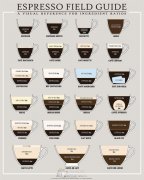
Common Types of Coffee Drinks Explained
Learn the differences between 13 classic coffee drinks like espresso, cappuccino, and Vietnamese coffee, with ratios and preparation details.
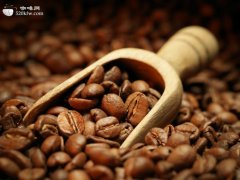
Guatemalan Coffee Beans: What Makes Them Special?
Learn why Guatemalan coffee beans, especially hard beans, deliver rich, balanced flavor. Discover key regions, production facts, and why quality is rebounding.

What Makes Honduran Coffee Unique?
Honduran coffee is known for its high acidity and quality, graded by altitude—find out how elevation shapes flavor and why it's great for blends.
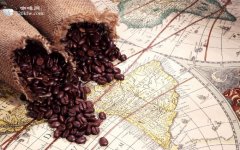
Haiti’s Specialty Coffee: Flavor, Challenges & What to Expect
Haiti grows bold, low-acid specialty coffee mostly grown naturally due to cost barriers. Discover its flavor, key regions, and production hurdles.
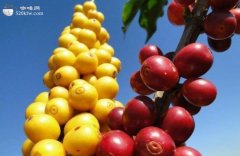
What Makes Jamaican Blue Mountain Coffee So Special?
Jamaican Blue Mountain is famous for being the world’s priciest specialty coffee. Here’s why it’s rare, balanced, and grown under strict rules.
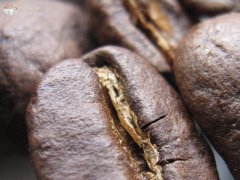
The Origins of Coffee in Martinique, Caribbean
Learn how the first coffee tree in the Western Hemisphere came to Martinique in the 1720s, shaping early coffee cultivation in the Americas.
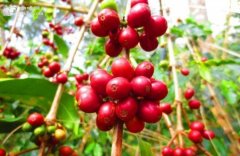
Mexico Coffee Guide: Origins & Single Origins
Mexico ranks as the world’s fourth-largest coffee producer, yielding smooth, aromatic beans mostly from smallholder farms.
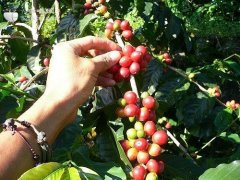
Nicaragua Coffee Origins: What Makes It Special?
Discover why Nicaraguan coffee is mild, aromatic, and highly regarded. Learn how political history and regional growing conditions shape its profile.
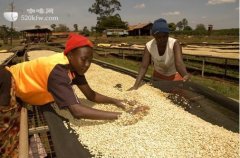
What Makes Panamanian Coffee So Special?
Panamanian coffee is known for its smooth body, bright acidity, and distinctive flavors. Learn why its high-altitude regions produce some of the world’s most sought-after beans.
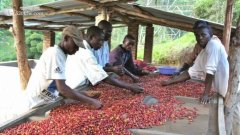
Puerto Rico Coffee: From Yauco to Your Cup
Learn why Puerto Rican coffee once ranked 6th in global exports, and discover the rare Yauco Selecto beans still grown today.
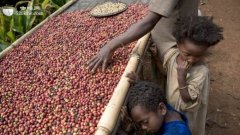
What to Know About Bolivian Specialty Coffee Beans
Learn the history, altitude, and early export markets of Bolivian coffee, once grown as hedgerows but now a niche origin with potential.
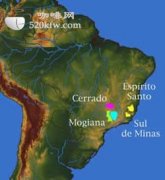
Brazil Coffee Beans: Low-Acid, Medium-Roast Origins
Brazil grows 39 billion coffee trees, produces 30% of global supply, and leads pricing. Its beans are low-acid, medium-roasted, and widely used in blends.
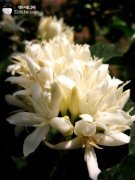
Ecuador Coffee Beans: High-Altitude Arabica from the Andes
Learn about Ecuador’s high-elevation Arabica coffee, especially from the Galapagos and Chanchamgo Valley, with large beans and balanced flavors.