
Specialty Coffee Beans
Latest articles, industry insights and brewing guides

Nekisse Coffee Beans from Ethiopia’s Sidamo Region
Explore the complex, fruity profile of Nekisse, the 96-point Ethiopian natural processed coffee from Ninety Plus, grown in Sidamo at 1700–2000m.
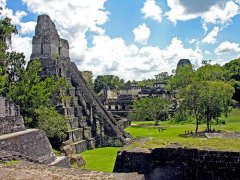
Guatemala’s 8 Coffee Regions and Their Flavor Profiles
Explore the unique flavor traits of Guatemala’s 8 key coffee-growing regions, from Acatenango’s bright acidity to San Marcos’ floral sweetness.

Hawaii Kona Coffee: What Makes It Special?
Learn why Hawaii Kona coffee is rare, expensive, and highly sought after — from its protected growing region to its unique flavor profile.

What Is a Coffee Peaberry and Is It Better?
Peaberry coffee beans—also called caracoli—are rare, oval-shaped beans that form when only one seed develops in a coffee cherry. But do they taste better?
Ethiopian Coffee: Origins, Flavors, and Global Impact
Explore Ethiopia’s role as a top global Arabica producer, its diverse coffee regions, and how processing methods shape its iconic cup profiles.

China’s Yunnan Coffee vs World Famous Origins
Discover how Yunnan coffee compares to global heavyweights like Colombia, Ethiopia, and Jamaica—plus where it ranks among specialty origins.

Is Brazilian coffee good? what are the characteristics of Brazilian coffee?
A brief introduction to Brazilian Coffee Brazilian coffee generally refers to coffee produced in Brazil. There are many kinds of Brazilian coffee. Like other Arabica coffee, Brazilian coffee is called Brazilian coffee Brazils to distinguish it from Milds coffee. The vast majority of Brazilian coffee is unwashed and sun-dried and is classified according to the name of the state of origin and port of transport. Brazil has 21 states and 17 states produce coffee

What Makes Colombian Coffee Unique? Origins & Flavor Profile
Colombian coffee is known for its balanced acidity, nutty notes, and smooth body. Learn why it’s prized and how its smallholder farming shapes its quality.
Why Brazil Coffee Beans Are Used in Instant Coffee
Brazil supplies most of the world’s coffee, including key ingredients for instant and commercial blends. Learn why its beans dominate mass production.
World’s Most Expensive Coffee Comes From Civet Feces
The world’s priciest coffee is made from beans excreted by civets. Harvested in the Philippines, these beans sell for $28.75 per pound.
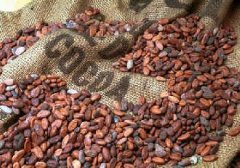
What Is Jamaica Blue Mountain Coffee?
Learn what makes Jamaica Blue Mountain coffee rare, expensive, and uniquely balanced—with facts on its history, production, and how to spot the real thing.
What Is Mocha Coffee? Origin, Flavor & Meaning Explained
Learn where mocha coffee comes from, what makes it unique, and why the term means more than just a coffee bean.
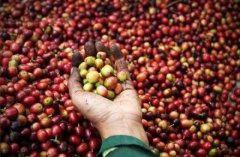
What Is Mandheling Coffee? Flavor, Origin & History
Mandheling coffee comes from Sumatra, Indonesia. It’s bold, full-bodied, and sweet with low acidity. Learn its unique flavor, origin myth, and why it’s prized.
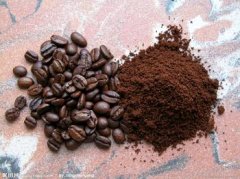
Kenya AA Coffee Beans: What Makes Them Exceptional?
Kenya AA coffee is renowned for its vibrant acidity and complex flavors, grown at high altitudes and processed with precision. Here’s why it stands out.
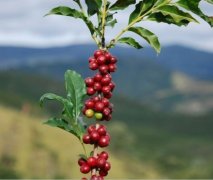
What Makes Kenyan Coffee Unique? Flavor & Processing Breakdown
Kenyan coffee features bright citrus acidity, winey depth, and layered fruit flavors—thanks to SL28/SL34 beans, washed processing, and high-altitude growing.
What Makes Hawaiian Kona Coffee So Special?
Learn why Hawaiian Kona coffee is world-renowned, where it’s grown, and how its unique terroir shapes its flavor profile.

Best Specialty Coffees: Blue Mountain, Crystal Mountain, Kona
Explore the top three legendary coffees: Jamaica Blue Mountain, Cuba Cubita, and Hawaii Kona. Learn what makes them elite and rare.

How to Tell Real vs Fake Jamaica Blue Mountain Coffee
Learn the definitive ways to identify genuine Jamaica Blue Mountain No.1 beans, including the official packaging, certifications, and bean grading standards.
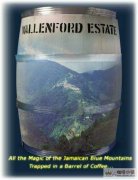
What Makes Jamaican Blue Mountain Coffee So Balanced?
Learn why Jamaica Blue Mountain coffee is prized for its balanced flavor, how it’s grown at high altitudes, and the best way to brew it at home.
Why Coffee Is the World’s Most Traded Beverage After Oil
Coffee is the world’s second-most traded commodity after oil, with over 700,000 tonnes consumed globally yearly. Learn where it comes from and how demand is growing.