
Specialty Coffee Beans
Latest articles, industry insights and brewing guides

The Strange Journey of Kopi Luwak Coffee
Discover how Kopi Luwak went from a bizarre legend to a rare specialty brew, and why it remains one of coffee’s most controversial offerings.

Why Kopi Luwak Coffee Costs So Much
A 50g pack of Kopi Luwak sells for ¥1500, making a single cup around ¥400. Annual global production is under 400kg, and prices range $300–$800 per pound.

What Is Kopi Luwak and Why Is It a Luxury Coffee?
Kopi Luwak, or civet coffee, is rare and expensive due to its unique wild fermentation process and limited supply. Learn why it’s a luxury.

How Kopi Luwak Coffee Is Made: The Civet Process Explained
Kopi Luwak is made from coffee beans eaten and excreted by civets. We explain the digestion process, flavor impact, and production steps behind the world’s most expensive coffee.
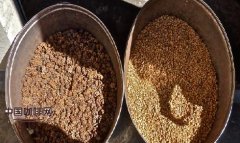
How Kopi Luwak Coffee Is Made: Production Facts
Kopi Luwak, or civet coffee, is made from beans eaten and excreted by civets. Only 150g of beans can be harvested per kilo of waste, with further losses during roasting.
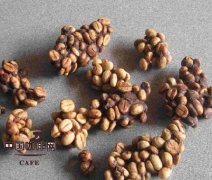
The Origins and Journey of Kopi Luwak Coffee
Learn how Kopi Luwak entered the global market, why it’s controversial, and what makes its flavor so unique — from first import to expert opinions.

How Kopi Luwak Coffee Is Made from Civet Droppings
Kopi Luwak, or civet coffee, is made by collecting and processing coffee beans excreted by civets. Here’s how it’s done, step by step.

What Makes Kopi Luwak Coffee Unique
Kopi Luwak coffee is distinct due to fermentation in the civet’s gut, creating unusually thick, rich flavors. Learn how digestion shapes its profile.
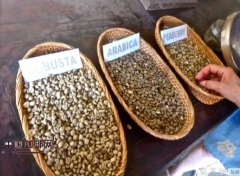
Why Kopi Luwak Coffee Costs So Much
Kopi Luwak coffee costs up to $50 per cup due to rare production, wild animal digestion, and limited annual output under 400kg worldwide.

What Makes Jamaican Blue Mountain Coffee So Special?
Only coffee grown between 3,000–5,000 feet in Jamaica’s official Blue Mountain region can be called true Blue Mountain Coffee. Here’s why.

Ethiopian Lima Coffee Beans: What Makes Them Special?
Ethiopian Lima beans offer fruity aroma, mild acidity, and a clean cup — ideal for single-origin pour-over. Learn what makes them stand out.

What Is Jamaica Blue Mountain Coffee?
Learn what makes Jamaica Blue Mountain coffee special — from its strict origin rules to its smooth, balanced cup profile.

What Is Special Grade Mandheling Coffee?
Learn what makes Indonesian Mandheling coffee unique — its bold, low-acid profile, classic Sumatran processing, and why it’s prized despite limited supply.

What Makes Colombian Supremo Coffee Special?
Colombian Supremo coffee offers bright acidity, rich sweetness, and bold aroma. Learn why this City Roast bean is prized for its balanced profile.

What Is Speciality Mocha Coffee from Ethiopia?
Learn what makes Ethiopian Mocha coffee special: small beans, fruity acidity, winey sweetness, and a unique City roast profile.
What Makes Brazilian Coffee Beans Special?
Learn why Brazil produces half the world’s coffee, what defines its top-grade Santos beans, and how City Roast brings out their smooth, nutty character.

What Is Hawaiian Kona Coffee? Flavor & Roast Profile Explained
Learn what makes Hawaiian Kona coffee unique: full city roast, large blue-green beans, nutty aroma, balanced sweetness, and moderate acidity.

What Is Blue Mountain Coffee? Jamaica's Gold Standard Explained
Learn what makes genuine Jamaica Blue Mountain coffee rare, how to spot fakes, and why blending can enhance—but not replace—its balanced profile.

What Is Kopi Luwak and How to Choose a Brand
Learn what makes Kopi Luwak different, why wild beans cost more, and how to spot quality in the world’s most controversial specialty coffee.

What Is Yunnan Small Coffee and How Good Is It?
Learn the truth behind China’s Yunnan coffee reputation, from red fruit mixing to historic awards. Discover the real varieties grown and how to assess claims.