
Specialty Coffee Beans
Latest articles, industry insights and brewing guides

Why Is Jamaica Blue Mountain Coffee So Expensive?
Learn why Jamaica Blue Mountain coffee commands premium prices, from its limited production to Japan’s market dominance.
Salvadoran Coffee Bean Varieties Explained
Explore the key coffee varieties of El Salvador, including SHB, Pacamara, and-processed beans, with altitude grades and flavor profiles.
Nicaraguan Coffee Bean Varieties Explained
Discover the key Nicaraguan coffee varieties, growing regions, and flavor profiles that make them stand out in the specialty market.
What Is Santo Domingo Coffee? Dominican Republic Bean Guide
Explore Santo Domingo coffee from the Dominican Republic: bright acidity, clean washed processing, and fruity complexity. Learn its origins and flavor profile.
What Is Java Coffee? Types & History of Indonesian Robusta
Java coffee refers to beans from Indonesia’s Java Island, mostly Robusta. Learn its varieties, history, and what makes W.I.B. and A.P. Robusta unique.
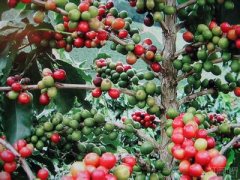
What Is Yunnan Arabica Coffee? China’s Specialty Bean Explained
Learn why Yunnan Arabica, also called 'small-grain' coffee, is China’s dominant specialty bean—its origins, flavor, and global comparisons.
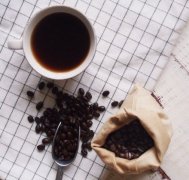
What Is Jamaica Blue Mountain Coffee?
Learn what makes Jamaica Blue Mountain coffee rare, expensive, and uniquely balanced—with facts on origin, grades, and official certification.
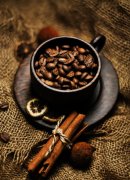
Geisha Coffee: The Single Origin That Redefined Specialty
Learn why Panama’s Geisha (or Gesha) coffee stunned the world with its floral sweetness and record-breaking auctions since the 2000s.
What Is Hawaiian Kona Coffee? The US’s Only True Origin Bean
Kona coffee comes only from a small volcanic region on Hawaii’s Big Island. Learn what makes it unique, how it’s graded, and why it commands premium prices.

What Is Kopi Luwak? The World’s Most Controversial Coffee
Kopi Luwak is made from coffee beans eaten and excreted by civets. Learn how this rare Indonesian coffee gets its unique flavor and why it’s so expensive.
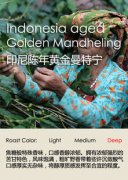
What Is Mandheling Coffee and Why Is It Called That?
Learn why Mandheling coffee isn’t a place or variety, how ‘Golden Mandheling’ differs from regular G1, and what makes aged Mandheling unique.

Two Different Java Coffee Beans Explained
Java can mean both a region in Indonesia and a coffee variety. Learn how beans from Java Island and Nicaraguan Java differ in origin and flavor.

What Is Kopi Luwak and Why Is It So Expensive?
Kopi Luwak, or civet coffee, is among the world’s most expensive brews. Learn how it’s made, why it costs so much, and the ethical issues behind it.

Yunnan Palm Civet Coffee vs. Kopi Luwak: What’s Real?
The true source of 'cat poop coffee' in Yunnan isn’t the rare civet — it’s the more common palm civet. Here’s what really goes into the process.
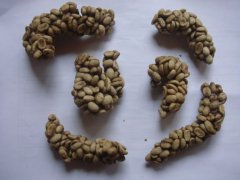
Yunnan Produces Just 50 to 100kg of Kopi Luwak Annually
Yunnan’s wild civet-produced coffee is extremely rare—only 50 to 100kg per year—and sells for up to 1600 yuan per cup. Here’s what makes it so unique.
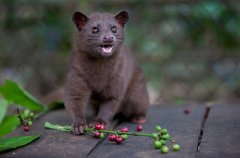
How Kopi Luwak Is Made From Civet Coffee Beans
Kopi Luwak, the world’s most expensive coffee, comes from civet poop. Find out how Indonesian farmers collect, process, and lightly roast these beans.
Brazil’s Quest for Tomorrow’s Coffee Varieties
Brazil leads global coffee science, developing disease-resistant, high-yield hybrids with elite cup quality. Discover how 'tomorrow’s coffee' is bred in labs.

Why Brazilian Santos Coffee Lost Its Former Glory
Once Brazil’s top-grade coffee, Bourbon Santos has faded from specialty favor due to low elevation, poor processing, and changing global tastes.
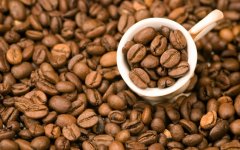
How Brazil Uses Multiple Coffee Processing Methods
Brazilian farms choose natural, honey, or washed processing based on local humidity, offering diverse cup profiles rarely seen elsewhere.
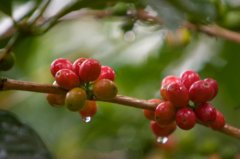
Why South Minas Is Brazil’s Specialty Coffee Backbone
South Minas accounts for most winning farms in Brazil’s Cup of Excellence, thanks to high altitudes ideal for growing elegant Bourbon varieties.