
Specialty Coffee Beans
Latest articles, industry insights and brewing guides

The History and Types of Coffee Beans by Origin
Learn how coffee evolved from chewed fruit to brewed beverage, and discover key coffee types and where they come from.

How Coffee Is Named: Origin & Export Names Explained
Learn how coffee gets its name — most use country + place or port, like Jamaica Blue Mountain or Brazil Santos. Here’s what those terms really mean.

Types of Coffee Beans: Characteristics and Nutritional Profiles
Explore the major coffee bean types—Brazilian, Jamaican, Ethiopian—and their unique flavor profiles, production traits, and quality grading systems.

Where Did Coffee Originate? The True History Behind Your Daily Cup
Discover the true origins of coffee, from Ethiopian legends to Arabian trade routes and European popularity in the 16th century.

What Makes Jamaica Blue Mountain Coffee Special
Learn why Jamaica Blue Mountain is the gold standard for balanced coffee, including its rare Peaberry grade and strict quality controls.

Panama’s Coffee Growing Environment Explained
Discover the high-altitude microclimates and volcanic soils of Panama that create ideal conditions for growing distinctive specialty coffees.

Jamaica Blue Mountain Coffee: Flavor, Grade, and Origins
Learn why Jamaica Blue Mountain No.1 peaberry is prized for its smooth, low-acid profile, balanced sweetness, and moderate caffeine — the world’s most refined coffee.

What Makes Mandheling Coffee Unique in Flavor and Roast?
Discover the bold, earthy flavors of Mandheling coffee, ideal for dark roasts, and learn how to brew it for maximum impact.

Yirgacheffe Coffee: History, Flavor & Global Rise
Discover how Ethiopia’s Yirgacheffe coffee developed from monastic plantings to a globally prized specialty origin known for floral brightness and citrus notes.

How Blue Mountain Coffee Tastes Different From Other Coffees
Blue Mountain coffee has a unique smoothness, bright acidity, and zero bitterness. Here’s what sets it apart from other coffees.

An Introduction to Panama Coffee Classifications
Explore the key classifications of Panamanian coffee, including single origins, blends, and unique processing styles like sun-dried or shade-dried methods.

What Makes Jamaican Blue Mountain Coffee So Unique
Jamaica Blue Mountain coffee offers balanced flavor, low caffeine, and a smooth profile. Learn its true traits, origin, and how to enjoy it.
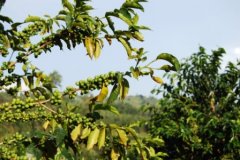
What Is Mandheling Coffee and Why Does It Age Well?
Mandheling isn't a region or variety, but a historical mishearing. Learn where the name comes from, what defines great Mandheling, and why aged versions taste so sweet.
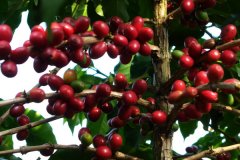
What Is Jamaican Blue Mountain Coffee?
Learn why Jamaican Blue Mountain coffee commands premium prices, how it’s made, and what makes its balanced flavor truly unique.

Panama Coffee Growing Environment Explained
Discover why Panama’s high-altitude microclimates produce uniquely complex and flavorful specialty coffee, with detailed environmental factors.

What Makes Indonesian Mandheling Coffee Unique
Learn what gives Mandheling coffee its signature boldness, syrupy sweetness, and why its earthy, spicy profile captivates drinkers worldwide.

Panama’s Boquete Highlands and the Flower Butterfly Coffee
Discover why Panama’s Boquete region grows elite coffee, and how the affordable Flower Butterfly blend offers rare Geisha-like complexity.

Blue Mountain vs Nestle Coffee: Which Tastes Better?
Jamaica Blue Mountain Coffee is renowned for its balanced, smooth profile, whereas Nestlé coffee is mass-produced. Learn which truly tastes better.
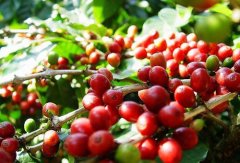
Arabica Coffee Makes Up 65–80% of Global Production
Arabica beans account for 65–80% of global coffee production. Their delicate flavor and aroma make them unique—but also highly vulnerable to disease.
How Mandheling and Lintong Coffee Are Actually Processed
Mandheling and Lintong coffees are often labeled dry-processed, but most use a backyard wet method with multiple drying stages.