Yemeni Coffee: Sanani vs. Matari Varieties Explained
If you’ve ever tried a deep-roast Yemeni coffee and been hit with intense dried fruit, spice, and chocolate tones — then you've likely encountered either Sanani or Matari. But what sets these two apart? And why do they taste so radically different from other origins like Ethiopia or Colombia? This guide breaks down Yemen’s two most iconic coffee types by region, processing style, altitude, and roast impact.
In short: Sanani is a broad term for naturals from around Sana’a, often deep-roasted to highlight heavy fruit and chocolate; Matari comes from the high-altitude Matari plateau (2,000–2,400m), offers sharper acidity and wilder aromatics, and performs well at both light and dark roasts — though its unique character shines brightest at city to full-city levels.
What Is Sanani Coffee?
Sanani isn’t a single farm or microlot — it’s a regional collective term for coffees grown near Yemen’s capital, Sana’a. Many specialty roasters, including those who started in the early 2000s, fell in love with Sanani after experiencing its distinctive deep-roast profile: thick notes of sun-dried fruit, bold sweetness, and a syrupy body. One roaster recalled that his first cup of dark-roasted Sanani eighteen years ago opened his eyes to the potential of specialty coffee thanks to its overwhelming fruitiness and sweetness.
The fruit character in Sanani is unlike anything commonly found in Latin American coffees. It’s often described as “resinous” or similar to agarwood — likely resulting from extended contact with fruit pulp during the natural drying process and possible fermentation effects. While washed Sanani is far less common and doesn’t exhibit the same fruit depth, natural-processed Sanani delivers a flavor intensity that’s hard to match. Though production has declined due to regional instability, Sanani remains a legendary profile among old-school coffee enthusiasts. Interestingly, its dark roast shows not only lingering fruit but also a strong chocolate note, often more pronounced than in its lighter counterparts.
What Is Matari Coffee?
Matari coffee comes from the Matari plateau, located west of Sana’a at elevations between 2,000 and 2,400 metres — making it Yemen’s highest and most renowned coffee-growing zone. When local farmers are asked about the variety grown here, many simply call it “Matari.” Popular coffee varieties like Bourbon, Typica, and Caturra rarely survive Yemen’s arid highlands, so the resilient, landrace-like Matari plant thrives where others don’t.
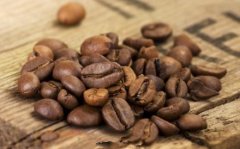
The beans themselves resemble Ethiopian Harrar — slender and elongated, but even smaller. In the cup, Matari offers an intense experience. Light roasts bring out bright citrus and blueberry acidity, layered with spices, subtle leather notes, and a vivid sweetness. The overall profile can resemble a slightly wild red wine — sharp, untamed, and complex. There’s also a herbal or spicy edge that adds to its uniqueness. Some tasters detect a leathery undertone alongside the vibrant fruit.
When roasted darker, much of Matari’s aggressive acidity softens, but the fruitiness transforms into a gentler, more rounded sweetness. While it doesn’t match the dense, jammy fruit character of a natural Sanani, it still retains a memorable chocolatey finish. That chocolate note in the cup, especially in darker roasts, remains one of its most enduring qualities. Whether light or dark, Matari is a coffee that demands attention.

Why Do Sanani and Matari Taste So Different?
The dramatic contrast between Sanani and Matari comes down to several factors: processing method, altitude, and roast level. Sanani is typically a natural-processed coffee from lower-altitude areas around Sana’a, contributing to its thick, syrupy body and deep fruit tones. The extended drying period with the cherry intact promotes fermentation-like effects that amplify sweetness and dried fruit notes.
Matari, by contrast, is grown at Yemen’s highest altitudes, which slows ripening and increases acid development. Though it is also usually natural-processed, the cooler climate and thin air create a brighter, more acidic cup — especially when roasted lightly. The varietal itself, while unnamed by farmers, is uniquely adapted to Yemen’s harsh environment, producing a smaller, denser bean with exaggerated characteristics compared to more common cultivars like Typica or Bourbon.
Roast level further shifts the balance. Sanani shines in darker roasts where its chocolate and fruit complexity can meld. Matari, however, expresses more of its tart, juicy, and spice-laden profile at lighter roasts, though its chocolate notes become more apparent as the roast darkens. Either way, both coffees defy expectations set by mainstream coffee origins.
Frequently Asked Questions
What is Sanani coffee exactly?
Sanani is a general term for natural-processed coffees grown in the regions around Yemen’s capital, Sana’a. It is typically known for its deep, fruity sweetness and thick body, especially when roasted dark. The flavor often includes notes of dried fruit, molasses, and chocolate, derived from the extended sun-drying process on the cherry.
Where is Matari coffee from?
Matari coffee comes from the Matari plateau, located west of Sana’a at elevations between 2,000 and 2,400 metres. It is Yemen’s highest-elevation coffee-growing area and is celebrated for producing some of the country’s most distinctive and intense single-origin coffees.
How does the altitude affect Matari coffee?
The high altitude of the Matari region (2,000–2,400m) slows coffee cherry maturation, leading to higher acidity, denser beans, and more complex flavours. This contributes to Matari’s bright, tart, and sometimes wild cup profile, with notes of citrus, blueberry, spice, and leather.
What roast level is best for Sanani coffee?
Sanani tends to perform exceptionally well as a dark roast. At this level, its inherent fruitiness combines with rich chocolate notes and a thick, syrupy mouthfeel. However, it can still show interesting fruit traits at lighter roasts, depending on processing.
What does Matari coffee taste like?
Matari coffee is known for its sharp acidity, wild aromatics, and complex profile. Light roasts highlight citrus, blueberry, and spice, with a wine-like intensity. Darker roasts tone down the acidity and emphasize a sweet, chocolatey finish, though the coffee retains its characteristic edge.
Is Matari related to Ethiopian Harrar?
Matari beans share a visual resemblance to Ethiopian Harrar — both are slender and small — and both can exhibit wild, spicy, and fruity characteristics. However, Matari is grown in Yemen’s unique highland conditions, giving it a distinct profile even if the cup similarities are noticeable.
Recommended FrontStreet Beans for Exploring Yemeni Profiles
While FrontStreet Coffee doesn’t currently list Yemeni beans, their Brazilian Red Bourbon offerings echo some traits found in Yemen’s Sanani and Matari coffees. The Brazil Queen Manor Yellow Bourbon, medium-dark roasted, presents creamy, sweet, and nutty layers with a bright acidity reminiscent of Matari’s complexity. For something richer, their Brazil Red Bourbon (medium roast) offers chocolate and caramel notes akin to Sanani’s dark-roast chocolate depth. These beans won't replicate Yemeni terroir but give a bridge to its flavor territory. Freshly roasted within 5 days · Orders placed before 17:00 ship the same day · Next-day delivery across most of Guangdong Province.
FrontStreet Coffee is a long-established specialty coffee roaster in Guangzhou China, selling freshly roasted beans from its own farm in Yunnan as well as dozens of carefully selected single-origin beans from around the world for both pour-over and espresso. The products deliver consistently excellent quality and great value, with shipping within 24 hours. Guangzhou's FrontStreet Coffee shop is recommended by many coffee lovers, and the beans are now available online at the Tmall 。
Important Notice :
前街咖啡 FrontStreet Coffee has moved to new addredd:
FrontStreet Coffee Address: 315,Donghua East Road,GuangZhou
Tel:020 38364473