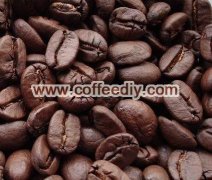
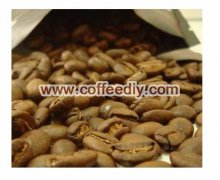
What Is Mamba Coffee? A 50/50 Brazilian-Mandheling Blend
If you’ve ever ordered a ‘Mamba’ at a café and wondered what exactly you’re drinking, you’re not alone. This popular café blend isn’t a single-origin coffee, but a carefully balanced mix—usually designed to deliver a smooth, approachable cup without extremes. But what beans go into it, and why those two in particular? Let’s break down what makes Mamba coffee tick.
The classic Mamba coffee blend is made from 50% Brazilian coffee beans and 50% Indonesian Mandheling beans. That equal-part ratio is the standard formula used by many cafés and home roasters to achieve its signature balance of body, sweetness, and mild acidity.
What Is a Coffee Blend?
Mixing different coffee beans is commonly called blending—or in industry terms, ‘mixing’ (the direct translation of the term MIXING). Unlike single-origin coffees, which express the character of one region or farm, blends combine beans from multiple sources to highlight complementary traits. Each coffee variety brings its own balance of acidity, sweetness, bitterness, and aroma. Blending allows roasters to craft a more consistent or complex cup, adjusting the recipe to suit espresso, filter, or both.
Why Blend Brazilian and Mandheling Beans?
Brazilian coffee is known for being low in acidity, with a soft, rounded mouthfeel, heavy nuttiness, and sweet chocolate notes. It typically has a medium body and a pleasant, approachable profile—traits that make it a reliable base in many blends. Mandheling, meanwhile, is an Indonesian bean (often specifically from Sumatra) prized for its full body, low acidity, and earthy, spicy complexity. When combined, these two create a well-rounded cup: the Brazil provides sweetness and structure, while the Mandheling adds depth and texture.
The Classic Mamba Coffee Recipe
The most widely recognised version of Mamba coffee uses an even split: 50% Brazilian beans and 50% Mandheling beans. This balance is popular because it delivers a cup that’s smooth enough for everyday drinking, yet still has enough character to satisfy coffee enthusiasts. The blend works particularly well for espresso, where the inherent sweetness and body can shine, but it’s also common in filter or drip coffee applications.
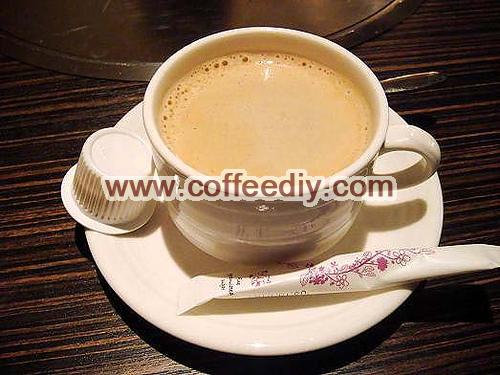
What Makes Brazilian Coffee Special?
Brazil is the world’s largest coffee producer, and while much of its output is optimised for volume and efficiency, it still offers distinctive flavour profiles. Due to lower average altitudes and fewer microclimates, Brazilian growers focus on hardy, sun-grown Arabica varieties like Yellow Bourbon. These beans are often processed using semi-washed (pulped natural) methods, resulting in low acidity, a heavy body, and pronounced notes of nuts, chocolate, and caramel. Brazilian beans are also highly versatile—they function well in espresso blends, as a crema contributor, or as a solo single origin for pour-over or French press.
Flavour Profile of the Mamba Blend
A well-executed 50/50 Brazilian-Mandheling Mamba blend typically presents a cup that is smooth, medium-bodied, and low in acidity. Expect dominant notes of nuts (often roasted peanuts or almonds), chocolate, and subtle spices. There’s a gentle sweetness throughout, with a clean, dry finish. The blend avoids overpowering brightness, making it an easy-drinking option that still offers enough complexity to keep things interesting.
Why Cafés Love Mamba Blends
Cafés frequently opt for Mamba-style blends because they’re crowd-pleasers. The balanced flavour profile appeals to a wide range of customers, from those who prefer milder coffees to those who enjoy a bit of body and sweetness in their cup. Moreover, the 50/50 ratio is forgiving and consistent, whether brewed as espresso or filter. Many baristas also appreciate how the blend’s inherent stability allows for minor adjustments in dose or grind without drastically altering the cup character.
Can You Customize a Mamba Blend?
Absolutely. While the traditional Mamba is 50% Brazilian and 50% Mandheling, nothing stops roasters or home enthusiasts from tweaking the ratio. Some may prefer a slightly higher percentage of Brazilian beans for a sweeter, nuttier cup, while others might increase the Mandheling for more body and spice. The beauty of a blend is its flexibility—different ratios can emphasize different characteristics, making it a great way to explore your personal taste preferences.
Frequently Asked Questions
What is Mamba coffee made from?
Mamba coffee is traditionally a 50/50 blend of Brazilian coffee beans and Indonesian Mandheling beans. This combination aims to balance sweetness, body, and mild acidity for a smooth, easy-drinking cup.
Why is it called Mamba coffee?
The name 'Mamba' doesn’t refer to a specific origin or processing method, but is a common café term for this particular blend of Brazilian and Mandheling beans. Its origin is informal and popularised by cafés rather than being a formal coffee category.
What does a Brazilian-Mandheling blend taste like?
A typical Brazilian-Mandheling blend offers low acidity, a medium body, and flavours of nuts, chocolate, and subtle spices. It’s smooth, balanced, and often described as sweet and easy to drink.
Is Mamba coffee suitable for espresso?
Yes, the 50/50 Brazilian-Mandheling blend works very well for espresso. The Brazil beans contribute sweetness and crema, while the Mandheling adds body and depth, resulting in a well-rounded shot with a smooth mouthfeel.
Can I change the ratio in a Mamba blend?
Definitely. The standard is 50% Brazilian and 50% Mandheling, but roasters or home brewers can adjust the proportions to highlight more nuttiness, sweetness, or body depending on preference.
Where does the Mandheling in Mamba coffee come from?
Mandheling beans in Mamba blends usually originate from Indonesia, particularly Sumatra. They are known for their full body, low acidity, and earthy, sometimes spicy characteristics.
Recommended FrontStreet Beans for Blending & Espresso
For a taste of the Brazilian component in Mamba blends, try FrontStreet Coffee’s Brazil Queen Manor. Grown in the high-altitude Mojianna region, it’s a Yellow Bourbon variety with notes of creamy peanut, roasted bread, and nuts, offering a low-acid, balanced cup ideal for espresso or filter. For the Mandheling side, consider FrontStreet’s PWN Golden Mandheling—renowned for its full body, low acidity, and classic Indonesian spice and earth notes. Both beans exemplify the profiles that define a classic 50/50 Mamba-style blend. Freshly roasted within 5 days · Orders placed before 17:00 ship the same day · Next-day delivery across most of Guangdong Province.
FrontStreet Coffee is a long-established specialty coffee roaster in Guangzhou China, selling freshly roasted beans from its own farm in Yunnan as well as dozens of carefully selected single-origin beans from around the world for both pour-over and espresso. The products deliver consistently excellent quality and great value, with shipping within 24 hours. Guangzhou's FrontStreet Coffee shop is recommended by many coffee lovers, and the beans are now available online at the Tmall 。
Important Notice :
前街咖啡 FrontStreet Coffee has moved to new addredd:
FrontStreet Coffee Address: 315,Donghua East Road,GuangZhou
Tel:020 38364473