
Specialty Coffee Beans
Latest articles, industry insights and brewing guides

Panama’s Bouquete Region and Its Champion Coffee Estates
Discover why Panama’s Bouquete highlands produce world-class coffee, home to elite estates like La Esmeralda and Elida.

What Makes Yunnan Small Coffee Unique?
Discover why Yunnan’s small Arabica beans deliver a smooth, fruity, low-bitterness cup with a profile unlike any other region.

Tahiti Arabica: The Rare Coffee from Paradise
Discover why Tahiti Arabica is among the rarest coffees in the world, with its limited production and distinctive flavor profile.

Uganda’s Arabica Coffee Makes Up Just 10% of National Output
Arabica beans account for only 10% of Uganda’s coffee production, yet they come from high-altitude regions like Elgon and Bugisu with strong cup potential.

São Tomé & Príncipe: Small-Batch Arabica with Gentle Flavor
São Tomé & Príncipe produces just 1,000 bags of Arabica yearly—98% of its coffee—with a smooth, well-rounded cup profile.

Rwandan Washed Arabica Coffee: Unique Flavor Profile
Rwandan washed Arabica coffee is known for its high quality, with distinct flavors like grassy notes and tropical characteristics.
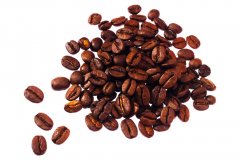
Cameroon Arabica Coffee for Espresso: Deep Roast Profile
Cameroon’s deep-roasted Arabica beans, descended from Jamaican Blue Mountain stock, excel in espresso with bold body and chocolatey tones.
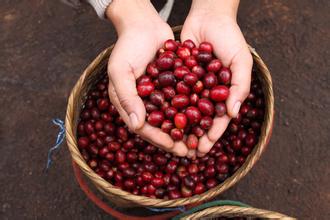
What Makes Yirgacheffe Coffee Unique?
Discover the distinct flavor profile and terroir behind Ethiopia’s famed Yirgacheffe coffee, including its citrusy brightness and floral aroma.
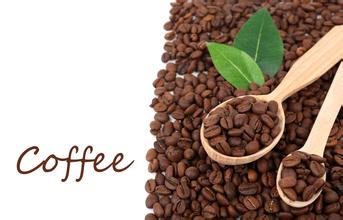
What Makes Jamaican Blue Mountain Coffee Special
Learn why Jamaica Blue Mountain No.1 peaberry is elite: low caffeine, balanced flavor, and unique growing conditions at 2100m altitude.

Arabica vs Robusta: The Two Main Coffee Species Explained
Learn the key differences between Arabica and Robusta coffee, including flavor, caffeine, growing conditions, and market share.
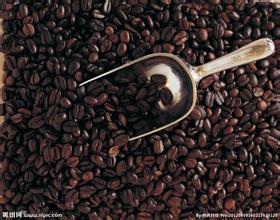
Coffee Cherry Varieties: Arabica, Liberica, Robusta Explained
Learn the differences between Arabica, Liberica, and Robusta coffee species, plus key single-origin beans like Jamaican Blue Mountain and Ethiopian Mandheling.
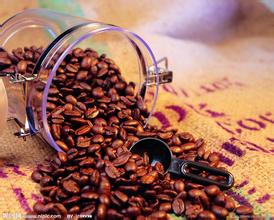
What Makes Mandheling Coffee So Unique in Flavor?
Discover the bold, earthy flavors and rich backstory behind Mandheling coffee from Sumatra, including processing, regions, and roast impact.
Ethiopian Coffee Grades Explained: Washed Yirgacheffe and Beyond
Learn how Ethiopian coffee is graded, why Yirgacheffe and Sidamo are mostly G2 or G3, and why Harar often gets G4.
Why Is It Called Mandheling Coffee?
Mandheling coffee isn’t named after a place — it’s a misheard ethnic name. Learn the true origin of the name and what makes it special.
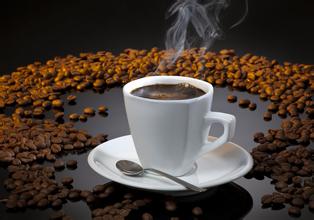
What Makes Mandheling Coffee Unique? Explore Golden Mandheling
Discover what sets Mandheling coffee apart, especially the premium PWN Golden Mandheling, known for bold body, low acidity, and earthy sweetness.
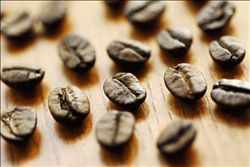
Coffee Bean Types Explained: Arabica vs Robusta & Famous Origins
Learn the difference between Arabica and Robusta coffee, plus key origin coffees like Jamaican Blue Mountain and Ethiopian Harrar.
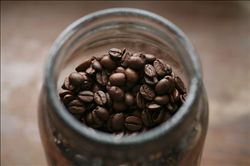
How to Brew Jamaica Blue Mountain Coffee at Home
Learn the proper way to make hot or iced Jamaica Blue Mountain coffee, including step-by-step instructions for siphon brewing.

3 Ethiopian, Panamanian and Costa Rican Coffee Beans Compared
Explore Ethiopia Sidamo G1, Panama Boquete Butterfly, and Costa Rica Dota El Diosa Geisha beans with key flavor profiles and origins.

Coffee Species Explained: Arabica, Robusta, and Liberica
Learn the differences between the three main coffee species—Arabica, Robusta, and Liberica—and why they taste, grow, and cost so differently.

Indonesian Mandheling Coffee: Flavor & Origin Guide
Discover the bold, earthy taste of Mandheling coffee from Sumatra, Indonesia—rich, low-acid, and best enjoyed dark-roasted.