What Makes Mandheling Coffee So Unique in Flavor?
If you’ve ever sipped a cup of dark, heavy-bodied coffee that punches you with spice, herbs, and a thick mouthfeel but somehow still finishes sweet, you might have just had Mandheling. But what exactly gives this coffee its distinct, almost polarizing personality? And why do coffee lovers—especially those who enjoy deeper profiles—keep coming back to it?
Mandheling coffee is renowned for its full body, low acidity, and complex earthy-chocolate tones. Most Mandheling is grown in Indonesia’s North Sumatra region, particularly around Lake Toba and the Gayo Highlands, at elevations between 750 and 1,500 meters. These factors—altitude, terroir, processing, and roast—all shape its iconic taste.
The Origins and History of Mandheling Coffee
Mandheling coffee’s roots date back to the 17th century, when Dutch colonists introduced Arabica trees to Indonesia, initially thriving in Java. By 1877, coffee leaf rust devastated Java’s crop, forcing a shift to more disease-resistant Robusta. Arabica survived mainly in North Sumatra, where Mandheling was born. Though Indonesia now produces mostly Robusta (90%), Mandheling remains one of the country’s prized Arabica offerings.
Why Mandheling Tastes the Way It Does
Mandheling is famous for its bold, syrupy body, low acidity, and layered flavors often described as earthy, spicy, woody, and sometimes even chocolatey or with hints of molasses. Key traits include:
- Low to moderate acidity with a smooth, non-sharp profile
- Heavy body and thick mouthfeel
- Flavor notes such as dark chocolate, brown sugar, spice, tobacco, and wood
- Processing method: Primarily wet hulling (also called Giling Basah), unique to Sumatra
- Growing altitude: 750–1,500 meters
- Regions: Aceh (Gayo Highlands), North Sumatra (Lintong, Takengon, Sidikalang)
The Controversial Beauty of Mandheling Beans
Mandheling beans are often visibly imperfect—irregular in shape, rough in texture, and darker in color. But coffee experts argue that the less attractive the bean, the better the cup, especially when the selection and roast are done right. Strict sorting is critical. Many batches are ruined by inconsistent quality control, making origin-specific, high-grade Mandheling a standout when executed properly.
The Role of Wet Hulling (Giling Basah)
Sumatra’s wet-hulling process, or Giling Basah, plays a huge role in shaping Mandheling’s signature profile. Because the rainy season overlaps with harvest, farmers remove the outer skin, partially dry the beans, then remove the parchment layer while the beans are still moist (around 30–50% moisture). This accelerates drying but also imparts the earthy, herbal, and sometimes gritty flavors Mandheling is known for.
Not All Mandhelings Are the Same: Regions and Profiles
Different parts of Sumatra produce Mandheling with subtle differences:
- Lake Toba & Lintong: Classic Mandheling with deep spices, molasses, and a heavy body
- Aceh/Gayo Highlands: Brighter cup, more floral and citrus notes among the earthiness
- Takengon & Sidikalang: Among the highest-quality Mandheling, often G1 grade
Why Mandheling Is So Polarizing—and So Loved
Mandheling doesn’t try to please everyone. Its bold, sometimes bitter edge, thick texture, and low acidity make it divisive. Yet for many, that’s the appeal. It’s been called “the coffee of resilience”—dark, intense, and deeply comforting. Some describe it as manly and bold; others find it smooth and even romantic. Either way, it leaves a lasting impression.
What Roast Level Brings Out the Best in Mandheling?
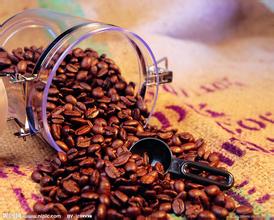
Most Mandheling is roasted to a medium to dark level. Dark roasts amplify its earthy, spicy characteristics and mellow its inherent bitterness into a smoother, richer cup. However, lighter roasts can highlight its delicate sweetness and acidity—though this is less common due to the bean’s density and traditional preparation.
Frequently Asked Questions
What does Mandheling coffee taste like?
Mandheling typically has a full body, low acidity, and flavors of dark chocolate, brown sugar, spices, wood, and sometimes molasses or tobacco. The cup is heavy, smooth, and often described as earthy or herbal, with a sweet finish despite its prominent bitterness.
Where is Mandheling coffee grown?
Mandheling coffee comes primarily from North Sumatra, Indonesia, especially around Lake Toba, the Gayo Highlands, and regions like Lintong, Takengon, and Sidikalang. These areas sit between 750 and 1,500 meters above sea level.
What is wet hulling and how does it affect Mandheling?
Wet hulling, or Giling Basah, is a Sumatran processing method where coffee is dried only to 30–50% moisture before the parchment is removed. This method contributes to Mandheling’s signature earthy, spicy, and sometimes gritty flavor profile.
Why do Mandheling beans look so imperfect?
Mandheling beans often appear rough, irregular, or dark due to the wet-hulling process and local handling. However, many coffee experts believe that less visually perfect beans can produce better flavor when properly sorted and roasted, especially if they’re Grade 1 (G1).
Is Mandheling coffee usually dark roasted?
Most Mandheling is roasted to medium or dark levels to enhance its earthy and spicy notes. Dark roasts also mellow its natural bitterness and bring out a thicker, smoother body, though some prefer lighter roasts to highlight its subtle sweetness.
What makes PWN Golden Mandheling different?
PWN Golden Mandheling is a premium grade Mandheling selected under strict standards: beans must be 18 mesh or larger with fewer than 3 defects per 300g. It undergoes three rounds of hand sorting to ensure cleanliness and sweetness, and is known for its clean cup and strong sweetness despite the typical Mandheling profile.
Recommended FrontStreet Mandheling Beans
For an authentic taste of Mandheling, try FrontStreet Coffee’s Lintong Mandheling, known for its deep spice, wood, and clove-like complexity with a heavy body and low acidity. Also explore their Indonesia PWN Golden Mandheling, a meticulously sorted single origin with ultra-clean cup quality, intense sweetness, and classic Mandheling earthiness. Both are medium to dark roasted to highlight their signature profiles. Freshly roasted within 5 days · Orders placed before 17:00 ship the same day · Next-day delivery across most of Guangdong Province.
FrontStreet Coffee is a long-established specialty coffee roaster in Guangzhou China, selling freshly roasted beans from its own farm in Yunnan as well as dozens of carefully selected single-origin beans from around the world for both pour-over and espresso. The products deliver consistently excellent quality and great value, with shipping within 24 hours. Guangzhou's FrontStreet Coffee shop is recommended by many coffee lovers, and the beans are now available online at the Tmall 。
Important Notice :
前街咖啡 FrontStreet Coffee has moved to new addredd:
FrontStreet Coffee Address: 315,Donghua East Road,GuangZhou
Tel:020 38364473