
Specialty Coffee Beans
Latest articles, industry insights and brewing guides

Brazil Coffee Bean Production: Why Odd and Even Years Matter
Brazil’s coffee output hinges on whether the harvest year is odd or even. But real volume depends on Minas Gerais — especially South Minas and the Cerrado.
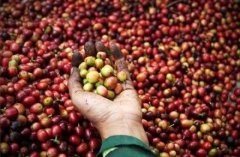
What Is Mocha Coffee? The Origins of a Historic Bean
Mocha coffee originally referred to Yemen-grown beans shipped via the port of Mocha. Today it’s a style, but true Mocha comes only from Yemen and Ethiopia.

Hawaiian Kona Coffee: America’s Only Native Coffee Variety
Learn why Hawaii’s Kona Typica grows uniquely well at low altitudes and produces a clean, bright cup unmatched elsewhere.

Why Is It Called Mandheling Coffee?
The name 'Mandheling' doesn't refer to a place or variety — it's a misheard reference to an Indonesian ethnic group. Here's the true story.

What Makes Cuban Coffee Cubita So Special?
Cubita is a premium Cuban single-origin coffee grown at high altitudes, handpicked, and expertly roasted—known for its rich, full-bodied profile.

Where Caribbean-Grown Coffee Beans Excel in Flavor
Discover why Caribbean-grown coffee beans, like those from Cuba and Colombia, develop rich flavors due to slow maturation and ideal growing conditions.
What Is Mocha Coffee? Origins, Variants, and How to Make It
Learn what makes mocha coffee different from latte, how white and zebra mochas vary, and how to make classic hot or iced versions at home.

What Is Vietnamese Coffee and How Is It Made?
Vietnamese coffee, or Ca Phe Sua Da, is brewed through a unique metal drip filter. Learn how it's made, why it's sweetened, and its global popularity.

What Makes Vietnamese Coffee Rich and Smooth?
Vietnamese coffee stands out for its intense flavor and slow brew—here’s why your first cup felt so bold, and how to get it right.
Vietnam: World’s Second Largest Coffee Exporter
Vietnam exports more Robusta than any other nation and is the world’s second-largest coffee exporter, surpassing Colombia but behind Brazil.

How Strictly Does Costa Rica Grade Its Specialty Coffee Beans?
Costa Rica enforces strict quality controls on its specialty coffee, with top farms rejecting over 70% of harvested beans. Learn which regions and processes define its balanced, premium cup.
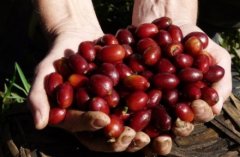
How Costa Rica Processes Its Specialty Coffee Beans
Costa Rica primarily uses washed and honey processes. Its signature honey method retains more mucilage for sweeter, complex cups.

How Costa Rican Coffee Beans Earned the 'Golden Bean' Title
In 1854, 100 pounds of Costa Rican coffee shipped to London gained elite praise, launching the country’s coffee legacy. Discover how it became known as 'golden beans.'

Brazilian Santos Coffee: The Hidden Gem of the Coffee World
Santos coffee, named after Brazil’s key port, is a balanced Brazilian classic. High-quality Bourbon Santos rivals Jamaican Blue Mountain in smoothness.

Why Colombian Coffee Bean Size Matters More Than You Think
Colombian coffee quality depends more on bean size and origin than general grading—here’s what really affects taste.
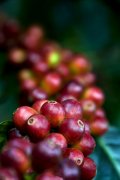
Why Colombia’s Geography Makes It Great for Coffee
Colombia’s mountainous terrain and ideal altitudes between 1,200–1,900m create near-perfect conditions for high-quality coffee growth year-round.

Mexico Coffee Origins and Flavor Profile Explained
Learn where Mexico grows its best coffee, why it tastes bright and nutty, and how altitude defines its grade — with sensory details and roast advice.
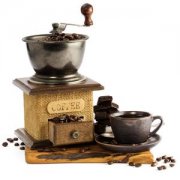
Traditional Mexican Coffee with Chocolate and Cinnamon
Learn how to make classic non-alcoholic and tequila-based Mexican coffee with chocolate, cinnamon, and steamed milk, step by step.

Why Is Jamaican Blue Mountain Coffee So Expensive?
High demand, limited supply, and strict certification make genuine Jamaican Blue Mountain coffee rare and costly.
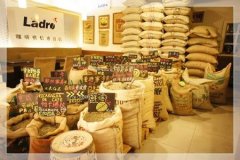
Why Jamaica Blue Mountain Coffee Struggled Before Fame
From colonial origins to near-collapse, here’s how Jamaica’s legendary Blue Mountain coffee overcame decades of hardship to become a global icon.