
Specialty Coffee Beans
Latest articles, industry insights and brewing guides

The Origins and Culture of Kopi Luwak Coffee
Learn how Kopi Luwak entered the U.S. market and why its bold, earthy profile divides coffee experts. Discover the facts behind civet coffee.

How Kopi Luwak Coffee Is Made: The Civet Coffee Process
Kopi Luwak is made from coffee beans eaten and excreted by civets. Here’s how the controversial delicacy is produced, and why it tastes different.

What Makes Colombian Geisha Coffee Unique
Colombian Geisha features bright acidity, floral and fruity notes, medium body, and a sweet aftertaste. Here’s what sets it apart.

What Is Kopi Luwak Coffee and Where Does It Come From?
Kopi Luwak, or civet coffee, originates in Indonesia. Fermented in the digestive tract of civet cats, it’s rare and distinctive—but controversial.

What Is Jamaica Blue Mountain Coffee?
Learn what makes Jamaica Blue Mountain coffee rare and balanced, where it’s grown, and how to brew it properly.

Yunnan Arabica Coffee: Growing Conditions & Brewing Guide
Learn why Yunnan grows some of the world’s best mild, fruity Arabica coffee, and how to brew it perfectly using a siphon (vacuum) pot.

What Makes Jamaican Blue Mountain Coffee So Special?
Learn why true Jamaican Blue Mountain coffee demands premium pricing, how it's grown, processed, and certified—and why not all 'blue mountain' beans taste the same.

What Makes Jamaican Blue Mountain Coffee So Special?
Learn why Jamaican Blue Mountain coffee is rare, expensive, and revered — from its strict production rules to its elite global market.

The Origins of Kopi Luwak: How Civet Coffee Is Made
Learn how kopi luwak, or civet coffee, is produced from digested beans by wild civets in Indonesia—and why it commands premium prices.

How Colombian Geisha Coffee Stacks Up in Blind Cupping
A blind cupping of Colombian-grown Geisha beans roasted in Beijing and Colombia reveals surprising results and flavor profiles.

What Makes Jamaican Blue Mountain Coffee So Special?
Learn why true Blue Mountain Coffee depends on both origin and processing — and why not all 'Blue Mountain' beans deliver the famous flavor.

Rare Coffee Beans Even More Expensive Than Jamaica Blue Mountain
Explore ultra-rare specialty coffees more costly and exclusive than Jamaica Blue Mountain, including Napoleon, Elise Blue, and Kopi Luwak.

Ethiopian Mocha Coffee: Washed Specialty Bean Profile
Explore Ethiopia’s famed Mocha coffee, a washed single origin with bright acidity, medium sweetness, and a smooth City roast profile.

Kilimanjaro Coffee: Africa’s Wild Single-Origin Bean
Discover what makes Tanzanian Kilimanjaro coffee distinct—its wild cocoa-fruit aroma, bold body, and volcanic soil roots. Learn how to brew and blend it.
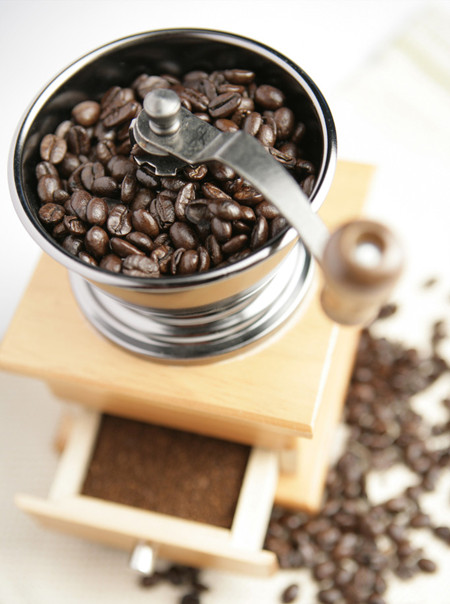
How to Brew Jamaican Blue Mountain Coffee at Home
Any pour-over, French press or drip machine works for Blue Mountain. Grind slightly coarse, use 87–88°C water, and aim for a 1:15 brew ratio.
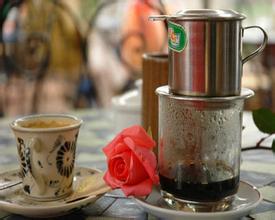
How to Brew Vietnamese Ultra-Fine Coffee Using a Drip Filter
Learn the classic Vietnamese method for making ultra-fine coffee with a drip filter, including step-by-step instructions and tips for the best flavor.

How to Make Café Brasileno, a Brazilian-Style Coffee Drink
Learn how to make Café Brasileno, a traditional Brazilian-style coffee with chocolate, salt, milk, and cream. Includes exact measurements and steps.

Yunnan Arabica Coffee: Origins and Planting Facts
Learn how Yunnan’s small Arabica beans began in 1892, where they grow best, and what makes them unique—straight from the birthplace of Chinese coffee.

How to Grow Smallholder Arabica Coffee in Yunnan
Learn the essential steps for cultivating high-quality Yunnan Arabica coffee, including ideal elevation, varietals, planting methods, and shade management.
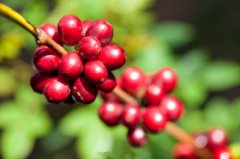
How to Prune and Train Specialty Coffee Trees
Learn the key techniques for shaping and pruning coffee trees, including single-trunk and multi-trunk systems, to boost yield and tree health.