
Specialty Coffee Beans
Latest articles, industry insights and brewing guides
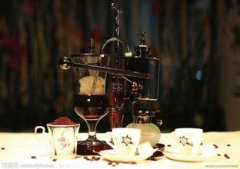
What Does Mandheling Coffee Taste Like?
Mandheling coffee from Sumatra offers a bold, full-bodied profile with low acidity, strong sweetness, and notes of spice and herbs.

What Is Jamaica Blue Mountain-Style Coffee?
A blend of high-altitude Central American beans roasted City, mimicking Jamaica Blue Mountain’s smooth, balanced profile. Find out how it compares.
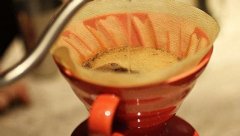
What Is Real Jamaica Blue Mountain Coffee?
True Blue Mountain coffee costs over $3 per cup—its flavor depends on both origin and processing. Only 3,000–5,000ft beans qualify, and China buys 15% globally.
Flavor Profile of Mexican Coffee: Low Acidity, Rich Body
Mexican coffee features a soft, aromatic profile with deep richness and wine-like notes. Learn what makes it unique and how to enjoy it best.
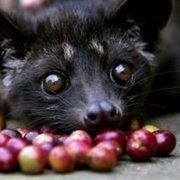
Why Kopi Luwak Coffee Commands Such High Prices
A 50g pack of Kopi Luwak costs around ¥1500, making a single cup worth up to ¥400. With just 400kg produced yearly, scarcity drives the price.
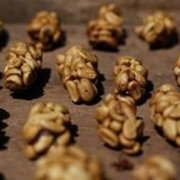
How Kopi Luwak Coffee Is Made: Process and Techniques
Learn how kopi luwak is produced from civet cat droppings, including bean yield, roasting losses, and the unique fermentation method.
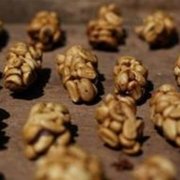
The History of Kopi Luwak Coffee in Indonesia
Learn how civet coffee went from a joke to a luxury import, its unique flavor profile, and why it remains controversial among coffee experts.
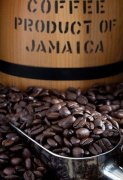
Why Jamaica Blue Mountain Coffee Is So Special
Learn why Jamaica Blue Mountain coffee commands premium prices and what makes it truly unique—from geography to strict quality controls.
Why Jamaican Blue Mountain Coffee Tastes So Pure
Learn why Jamaica’s Blue Mountain coffee has such a refined flavor—from its high-altitude growing conditions to strict quality controls.
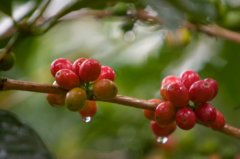
Yunnan’s Coffee Growing Conditions Explained
Yunnan’s unique elevation, climate, and soil create ideal conditions for balanced, fruity Arabica coffee. Here’s how geography shapes its flavor.

Brazil’s Specialty Coffee Farms and Bean Origins
Explore Brazil’s key specialty coffee farms and why the country produces high-quality, affordable beans suited for espresso and filter brewing.

Guatemalan Coffee: Flavor & Origins of Antigua Beans
Explore the rich, smoky, spicy profile of Guatemalan Antigua coffee, grown in volcanic soil at high altitudes with unique flavor complexity.
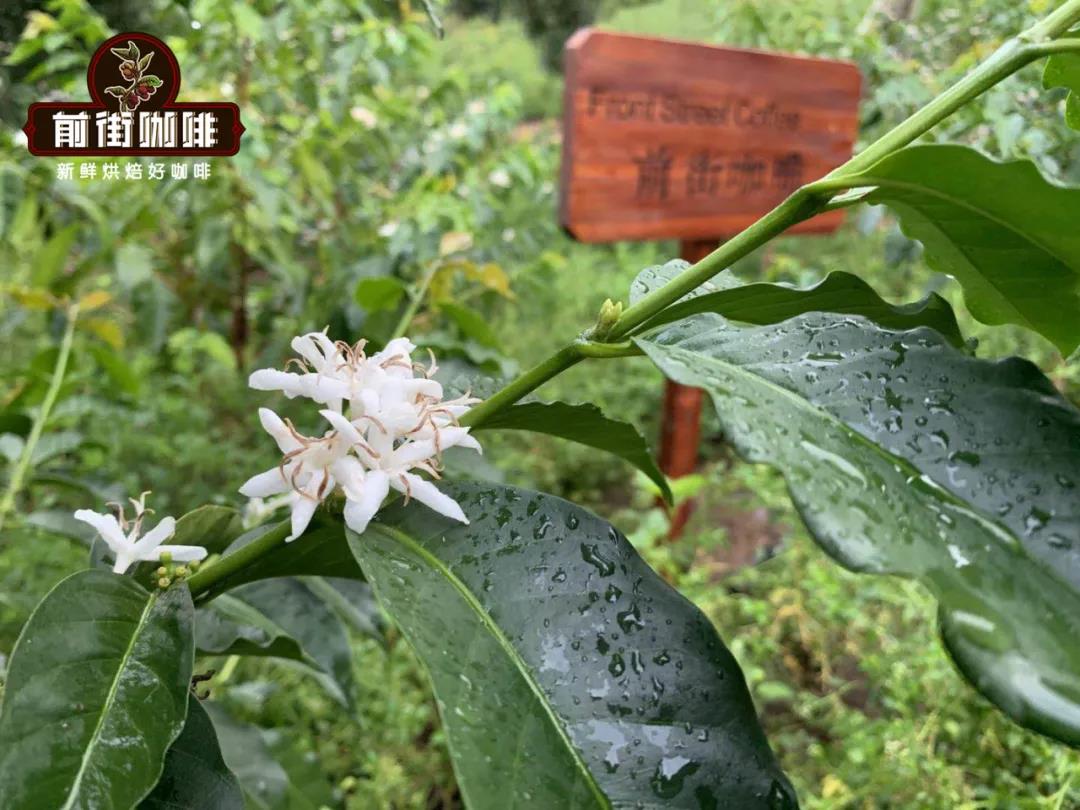
Typica vs Catimor: Yunnan Coffee Varieties Explained
Discover how Typica and Catimor coffee varieties from Yunnan differ in flavor, yield, and suitability for specialty coffee production.
What Makes Hawaiian Kona Coffee So Rare and Special?
True Hawaiian Kona coffee comes in just three grades, and over 95% of coffee labeled 'Kona' contains almost none. Here’s what you need to know.
Where Does Mandheling Coffee Really Come From?
Mandheling coffee isn’t a place or variety — it’s a misheard name with a fascinating wartime backstory. Learn how it became a classic.

Vietnam Drip Filter Coffee with the Phin or Metal Vietnamese Coffee Maker
Learn how to brew coffee using a traditional Vietnamese metal drip filter, with grind control, water temp, and optional sweeteners like condensed or non-dairy creamer.
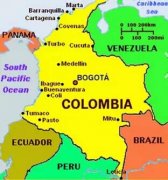
What Makes Colombian Coffee Unique? A Deep Dive
Colombia ranks third globally in coffee production, growing 744,000 tonnes annually. Discover why its beans are prized for sweetness, body, and diverse flavor profiles.

Jamaica Blue Mountain: The King of Specialty Coffee
Learn why Jamaica Blue Mountain coffee is so revered, from its unique climate to strict production limits—and how to spot the real thing.

Why Kopi Luwak Is Considered a Luxury Coffee
Kopi Luwak is rare and expensive due to its unique wild fermentation process and limited production. Here’s why it’s still a sought-after specialty coffee.
Why Kopi Luwak Coffee Costs So Much
Kopi Luwak, or civet coffee, costs up to $50 per cup due to rare production methods and limited annual supply under 400kg worldwide.