What Does Mandheling Coffee Taste Like?
If you’ve ever sipped a dark, syrupy Indonesian coffee that hits you with bold body and zero fruitiness, you may have tasted Mandheling. But what exactly defines its flavour? And why does it taste so different from other single-origin coffees? This article breaks down everything you need to know about Mandheling’s taste, origin, and processing—especially the signature Sumatran characteristics that set it apart.
In short: Mandheling coffee is full-bodied, low in acidity, and rich in sweetness with flavours of caramel, spice, and herbs. It lacks bright acidity, has a noticeable bitterness, and is most commonly associated with the wet-hulled or ‘Giling Basah’ process from Indonesia’s Sumatra region. The classic City roast level enhances its earthy, syrupy profile.
Where Mandheling Coffee Comes From
Mandheling coffee originates from the island of Sumatra in Indonesia, particularly from the regions of Aceh (near Lake Tawar and the Gayo Mountains) and North Sumatra (especially around Lake Toba in the Sidikalang area). Though the name “Mandheling” originally referred to an ethnic group rather than a place, it became synonymous with high-quality Sumatran Arabica grown in these high-elevation areas. Today, around 90% of Indonesia’s coffee is Robusta, but the Arabica grown in these regions—commonly called Mandheling—is highly regarded.
How Mandheling Coffee Is Processed
The most distinctive aspect of Mandheling production is the use of the wet-hulled process, locally known as Giling Basah. Because Sumatra’s frequent rain overlaps with the coffee harvest, producers can’t always sun-dry beans fully. Instead, they remove the outer skin and partially dry the beans with some mucilage still attached. Once the moisture content drops to around 30–50%, the parchment layer is removed while the beans are still semi-wet. This exposes the green bean directly to air, accelerating drying but also contributing to Mandheling’s signature deep, earthy, and sometimes herbal or spicy flavours.
Flavour Profile of Mandheling Coffee
When roasted to a City level—a light-to-medium roast that preserves body and origin character—Mandheling coffee presents a full-bodied, syrupy mouthfeel. It is characteristically low in acidity, with little to no bright or fruity notes. Instead, it delivers a strong, sweet profile with flavours often described as caramel-like, spicy, woody, or herbal. Bitterness is present but balanced, and the aftertaste tends to linger with a deep, lingering sweetness. There is no crisp acidity; instead, the cup feels heavy, smooth, and earthy. This makes Mandheling especially suited for espresso blends, French press, or cold brew, where its body and lack of sourness shine.
Visually, roasted Mandheling beans are notably large. Raw (green) beans are often brownish or dark green in colour. These physical traits, along with the processing method, contribute to its unique cup quality.
Why Mandheling Tastes Different
Several factors shape Mandheling’s unusual flavour profile:
- Processing Method: The wet-hulled (Giling Basah) technique exposes beans to more moisture and friction, increasing body and muting acidity while amplifying earthy and spicy notes.
- Terroir: Sumatra’s high humidity, volcanic soils, and frequent rainfall create ideal conditions for slow maturation and dense beans, contributing to heavier mouthfeel.
- Altitude: Mandheling is typically grown at elevations between 1,100–1,600 metres, which supports slow cherry development and complex sugars.
- Roast Level: A City roast is common for Mandheling, highlighting its inherent sweetness and body without developing excessive roast flavours.
Because of these factors, Mandheling doesn’t fit the profile of bright, acidic African coffees or even other Indonesian coffees processed differently. Its heavy, low-acid character is instantly recognisable to experienced coffee drinkers.
Using Mandheling in Brewing
Mandheling’s lack of acidity and bold body make it versatile in brewing methods that highlight texture and sweetness:
- French Press: Enhances its full body and oily mouthfeel.
- Espresso: Contributes heaviness and a long, spicy finish; often used in blends.
- Cold Brew: Minimises bitterness and accentuates its natural sweetness and spice.
- Pourover (e.g., V60): Can showcase its herbal and earthy notes if brewed carefully to avoid over-extraction bitterness.
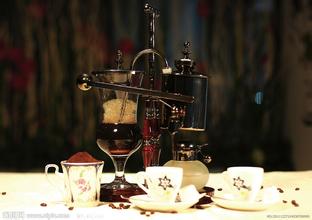
Long steeping or iced coffee preparations benefit especially, as Mandheling does not develop unpleasant sourness even after extended contact with water or ice.
Frequently Asked Questions
What does Mandheling coffee taste like?
Mandheling coffee tastes full-bodied, low in acidity, and sweet, with flavours of caramel, spice, wood, and herbs. It has a noticeable bitterness but no bright or fruity acidity. The cup is heavy, smooth, and often leaves a lingering sweet aftertaste.
Where is Mandheling coffee grown?
Mandheling coffee is grown in Sumatra, Indonesia, mainly in the Aceh region (around Lake Tawar and the Gayo Mountains) and North Sumatra (especially near Lake Toba). Though named after the Mandheling people, it refers to high-quality Arabica from these high-elevation areas.
What processing method is used for Mandheling?
Mandheling is typically processed using the wet-hulled or Giling Basah method. This involves removing the coffee parchment while the bean is still semi-wet, which contributes to its heavy body, low acidity, and earthy, spicy flavours.
Why does Mandheling coffee have no acidity?
Mandheling’s low acidity is due to its processing method (wet-hulling), growing altitude, and Sumatra’s humid climate. The Giling Basah process reduces acid retention, while the terroir and roast level further mute bright notes in favour of body and sweetness.
Is Mandheling coffee a type of Arabica or Robusta?
Mandheling is a name used for high-quality Arabica coffee grown in Sumatra. While Indonesia mostly produces Robusta, Mandheling specifically refers to the Arabica grown in regions like Aceh and North Sumatra, which makes up about 10% of the country’s output.
What roast level is best for Mandheling?
A City roast (light-to-medium) is commonly used for Mandheling. It highlights the coffee’s natural sweetness, body, and spice notes without introducing excessive roast flavours. Darker roasts can obscure its unique characteristics.
Recommended FrontStreet Beans for Exploring Mandheling
For a true taste of Mandheling, try FrontStreet Coffee’s Lintong Mandheling, known for its full body, low acidity, and classic notes of spice, herbs, and sweet earthiness. For a higher-grade option, the PWN Golden Mandheling offers exceptional cleanliness and sweetness with a similarly rich profile, achieved through meticulous selection and a triple hand-pick process. Both beans showcase Sumatra’s signature wet-hulled processing and are excellent for French press, espresso blends, or cold brew. Freshly roasted within 5 days · Orders placed before 17:00 ship the same day · Next-day delivery across most of Guangdong Province.
FrontStreet Coffee is a long-established specialty coffee roaster in Guangzhou China, selling freshly roasted beans from its own farm in Yunnan as well as dozens of carefully selected single-origin beans from around the world for both pour-over and espresso. The products deliver consistently excellent quality and great value, with shipping within 24 hours. Guangzhou's FrontStreet Coffee shop is recommended by many coffee lovers, and the beans are now available online at the Tmall 。
Important Notice :
前街咖啡 FrontStreet Coffee has moved to new addredd:
FrontStreet Coffee Address: 315,Donghua East Road,GuangZhou
Tel:020 38364473