
Specialty Coffee Beans
Latest articles, industry insights and brewing guides

What Makes Tana Coffee a Specialty Bean
Tana Coffee grows near an active volcano in Vanuatu, yielding rich, sweet, and complex beans praised for their smooth acidity and floral notes.
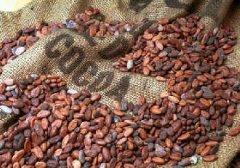
What Makes Ethiopian Yirgacheffe Coffee So Unique?
Explore why Yirgacheffe coffee stands out with its vibrant floral aroma, citrus brightness, and silky mouthfeel. Learn its origins and brewing tips.

What Is Ethiopian Harar Natural Process Coffee?
Harar natural coffee offers fermented blueberry wine-like aromas and complex fruitiness. Learn why it’s graded by bean shape and graded G3 for naturals.

What Makes Colombian Excelso Coffee Beans Special?
Learn why Colombian Excelso beans, grown at 4,200–6,000 feet in the Andes, offer balanced milk-sugar sweetness and caramel depth with medium body.
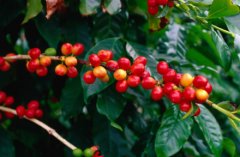
What Is Mandheling Coffee? A Guide to Indonesian Mandheling Beans
Learn what makes Mandheling coffee unique, from its low acidity and thick body to its signature processing method and premium PWN Gold variety.

What Is Elephant Bean Coffee? Maragogipe Explained
Discover the large-bean coffee known as Elephant Bean or Maragogipe — its origins, flavor profile, and where the best examples are grown today.

El Salvador’s Coffee: What Makes It Unique?
Discover El Salvador’s rare-processed coffee from Santa Teresa Estate, known for its sweet, smooth acidity and limited availability.

Famous Specialty Coffee Bean Types Explained
Explore 9 globally recognized specialty coffee beans like Jamaica Blue Mountain and Colombian Supremo, with key tasting notes and origin details.

The Forgotten Origins of Suriname Coffee
Suriname was South America’s first coffee-growing country, introduced by Dutch settlers in the 1700s via Java. Learn where it grew and why it faded.

The Rise and Fall of Guadeloupe Coffee
Once a major Caribbean coffee producer, Guadeloupe now grows coffee on just 150 hectares. Discover its historic output and lost legacy.

Martinique Coffee: Origins, Decline & Current Market
Learn how Martinique gave birth to coffee in the Americas—then lost its industry. Discover its historic trees, vanished production, and today’s exports.
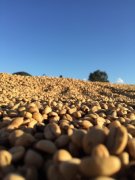
Philippine Coffee: Varieties, Flavor & Market Facts
Learn how the Philippines produces four coffee species, why it was once a top exporter, and what makes its arabica unique today.

Bolivian Coffee: Flavors, Origins, and Market History
Explore Bolivia’s coffee origins, flavor traits, and how global events shaped its market — including altitude, roast advice, and export history.

What Makes Salvadoran Coffee Unique in Flavor and Market?
Discover the balanced flavor profile, altitude grading system, and export trends that define Salvadoran coffee, including rare varieties like Pacamara.
Sudan’s Coffee: Origins, Flavor, and Struggling Market
Learn about Sudan’s unique coffee history, flavor profile, traditional roast style, and the challenges facing its almost vanished export market.
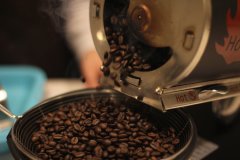
Ecuadorian Coffee: Flavor, Regions, and Export Market
Learn why Ecuadorian coffee, especially from Chanchamgo Valley, offers balanced acidity and floral notes, and where it’s exported.

Nicaragua Coffee: Origin, Flavor & Market Overview
Explore Nicaragua’s key coffee regions, flavor profiles, and how political shifts shaped its modern specialty market.

Cameroon Coffee: Origins, Flavor & Market Trends
Discover Cameroon’s unique coffee heritage, from Blue Mountain-descended Arabica to robusta production, and why its market is stabilizing.

What Makes South African Coffee Unique?
South African coffee is low-acid, aromatic, and mostly medium-roasted. Grown in small high-altitude regions, it’s prized for its unique Central American-like profile.

Haiti’s Coffee: Flavor, Production & Market Role
Haiti produces unique coffee in challenging conditions, often grown naturally due to lack of inputs. It offers balanced, mild flavors and is sometimes blended with Jamaican Blue Mountain.