
Specialty Coffee Beans
Latest articles, industry insights and brewing guides

Yunnan Kopi Luwak Jinqiu Manor Asian Sumatra Coffee Bean Plantation
Musk cat, also known as civet, fragrant cat, nine-section beaver, civet, civet, big cat. Their bodies are small and soft, and they look like cats, but their noses are long and even pointed, a bit like otters or beetles. Its fragrance is a valuable spice, and there are not many artificially farmed. This is the civet, the civet, 11000 Kopi Luwak, and it's hard to come by.

Structure diagram of geisha roasting machine for roasted coffee beans at Esmeralda Manor in Panama
According to the Panamanian auction, Rose Xia (geisha coffee) of the first jade manor, which frequently beat Blue Mountain, was only $21 per pound of raw beans in June 2004. but by 2006, it had doubled to $326 (about RMB 1103), and in 2010 it had reached $170. in six years, the price of La has increased eightfold.

High-quality coffee from Rwanda comes from washed Arabica beans, which has a unique and perfect
Boutique coffee (specialty coffee) is also called specialty coffee selection coffee. It refers to coffee made from a small number of raw beans with excellent taste grown in an ideal geographical environment. Depending on the special soil and climatic conditions in which they grow, they have outstanding flavor. After strict selection and classification, this kind of coffee is hard in texture, rich in taste and stylish.

Release of Coffee in Yunnan Coffee Bean Roaster structure Diagram
The western and southern parts of Yunnan Province are located between the 15th latitude and the Tropic of Cancer. Most areas are 1000-2000 meters above sea level. The topography is dominated by mountains and slopes. Here, the land is fertile, the sunshine is sufficient, the rainfall is abundant, and the temperature difference between day and night is large. The unique natural conditions form the special taste of Yunnan small-grain coffee, which is rich but not bitter, fragrant but not strong, slightly fruity. Pu'er in the south and west of Yunnan
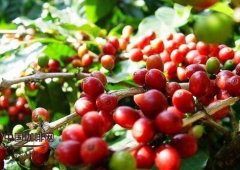
Zaire coffee grows Arabica coffee in the northeast of the country
Boutique coffee is fresh coffee. Whether it's food or drink, of course, the fresh the better, and so is boutique coffee. High-quality coffee should keep the coffee beans fresh before making, including the preservation of baked beans, and grind the coffee beans into powder before making, which is also to retain its original and best flavor. And the way of making hand-made coffee is such a way to make high-quality coffee.

Yunnan coffee Yunnan also has fine coffee Yunnan races
The term "fine coffee" was first put forward by Ms. Knudsen of the United States in Coffee and Tea magazine. At that time, Ms. Knudsen, as a coffee buyer at B.C. Ireland in San Francisco, was very dissatisfied with the neglect of the quality of raw coffee in the industry, and even some big roasters mixed a large amount of Robesda beans in the comprehensive beans, so she put forward the concept of boutique coffee.

Why Yunnan is suitable for planting Coffee trees Latin American Martinique Coffee
In terms of climatic conditions, the long light time in southern Yunnan is conducive to plant growth and photosynthesis, and the large temperature difference between day and night and low temperature at night are conducive to the accumulation of coffee nutrients. Therefore, the effective nutrients of Yunnan small-grain coffee are higher than those of other foreign coffee varieties. Small seed coffee is easy to be infected with rust, and the yield and quality of embroidery disease are deeply affected. The hot areas of Yunnan are composed of

How to choose coffee beans Panama sun geisha
Freshly fried coffee beans are not suitable for immediate drinking and should be stored for a week in order to completely release the gases in the beans. Generally speaking, the best drinking period of coffee is one week after frying, when the coffee beans are the freshest and the aroma (Aroma) tastes the best. In addition, the purity of coffee beans is another consideration, experts choose coffee, not necessarily to see the size of the particles

Which brand of Blue Mountain coffee tastes good?
Generally speaking, south of the Tropic of Cancer and north of the Tropic of Cancer, this area is suitable for growing coffee, called the coffee belt. Jamaica is just south of the Tropic of Cancer. The blue mountain is steep, the air is fresh, there is no pollution, it rains all the year round, and there is a great temperature difference between day and night, which has a unique and fertile new volcanic soil. Most importantly, every afternoon, clouds cover the whole mountain area, not only for coffee trees

How to dissect the flavor of Panamanian coffee
1. Skin/Pulp: the outermost layer of coffee beans is covered with berry-like skin and pulp. In addition to the natural sun method, coffee beans treated by other methods must remove the skin and flesh within a few hours after picking. Similar to the cherries we often eat, the difference is that when we eat cherries, we mainly eat the pulp and peel of berries. For coffee

Two common coffee tree species: Arabica and Robusta
Two common coffee trees: Arabica and Robusta. Arabica coffee grows best at high altitude. this coffee has a much more refined flavor than other coffee, and its caffeine accounts for only 1% of the total weight of coffee. Robusta coffee has a mellow taste, strong resistance to diseases and insect pests, and high yield per plant. This kind of coffee grows

Introduction to Arabica species, the main species of coffee trees
The first is Arabica beans, which account for 70% of the world's output. The world-famous Blue Mountain Coffee and Mocha Coffee are almost all Arabica. The other is the Robasta species, which is native to the Congo in Africa and accounts for about 20% to 30% of the world's output. Different varieties of coffee beans have different tastes, but even the same varieties of coffee trees
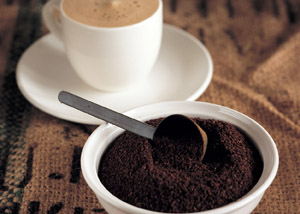
The cultivation process and sowing of Coffee in Yunnan & does #160; Coffee belong to Arabica?
People often mistakenly think that coffee is grown directly with raw beans, but it takes a long time to grow coffee only to find that it doesn't sprout. In fact, coffee is grown with seeds with endocarp (Parchment). The inner fruit (or sheepskin or paper parchment) refers to the tea-brown hard skin that wraps the coffee seeds, and the coffee beans attached to that layer are called Parchment Bean. Put aside the full maturity

Coffee grinding related introduction to the famous coffee in Yunnan
Coffee beans contain oil, so the bean grinder must be cleaned after grinding, otherwise the oil scale will be stale over a long period of time, and even the most advanced beans will be ground into strange-smelling powder. After each use of the bean grinder, be sure to wipe the blade machine with the wet market and clean the plastic top cover with warm hot water. But for the flavored coffee popular in the United States, the added flavor

Introduction of boutique coffee Panamanian coffee beans and coffee beans around the world
Panama (Bourbon): floral (floral), cherry fruits (cherry-fruited), vanilla (vanilla), malt (malty), caramel (caramelly), chocolate (Bourbon): caramel (caramelly), sweet fruit (very sweet fruit), yellow sugar (brown sugar), vanilla (vanilla), chocolate (chocolate) danger

Introduction to the planting area of Blue Mountain Coffee Manor in Jamaica
Some small estates also grow Blue Mountain Coffee, such as Wallenford Estate, Silver Hill Estate and Atlanta Estate in J.Martinez. Even the largest landowners in the area are small-scale plantations by international standards, many of which are small lands.

Characteristics of Jamaica Blue Mountain Coffee Bean
Blue Mountain Coffee is undoubtedly one of the best coffees available. Although the price can ensure an adequate supply of Blue Mountain coffee, it does not guarantee the best flavor of the coffee. It is also worth noting that this kind of coffee is more expensive to drink than it looks. If you want to taste his best flavor, you must put more coffee beans than when drinking other coffee, otherwise the flavor will not be named.

Main Coffee Bean Types and Their Distinct Flavors
Explore 12 classic coffee bean types including Jamaican Blue Mountain and Ethiopian Mocha, with flavor profiles and ideal roast levels for each.
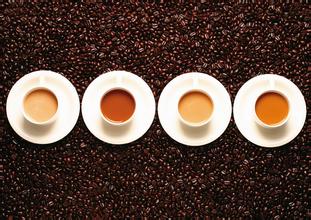
Global Coffee Bean Origins: Key Varieties Explained
Explore the major coffee-growing regions and classic bean varieties, from Yemen’s Mocha Sanani to Panama’s Geisha, with key production areas listed.

Coffee Tree Varieties and Ideal Growing Environments
Learn about the three main coffee species—Arabica, Robusta, and Liberica—and discover key growing regions and flavor profiles of global single-origin coffees.