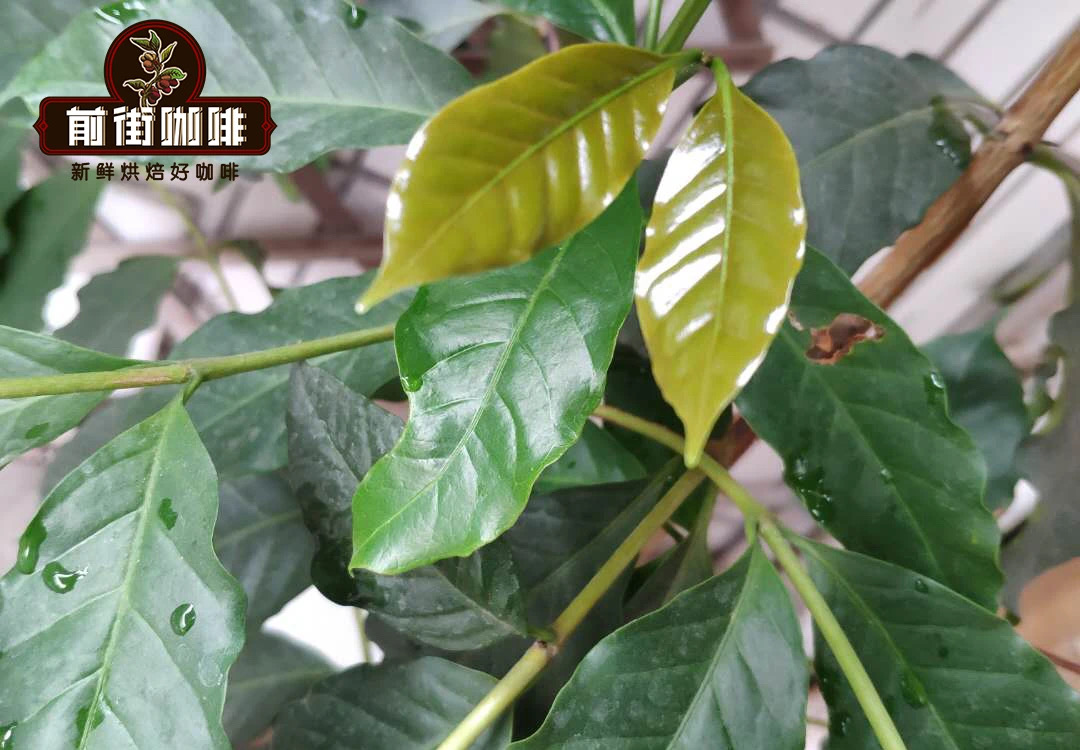
Coffee Tree Varieties and Ideal Growing Environments
If you’ve ever wondered why some coffees taste bright and acidic while others are bold and bitter, the answer starts with the coffee tree—and where it grows. Not all coffee is created equal, and understanding the plant’s natural habitat and genetic variety explains a lot about what ends up in your cup.
There are three main cultivated coffee species worldwide: Arabica (80% of global production), Robusta (mainly for instant coffee), and Liberica (rare and lower quality). Among these, Arabica dominates the specialty market due to its superior cup quality and aromatic complexity.
What Is a Coffee Tree?
Coffee trees are small evergreen shrubs native to tropical highlands. They grow best at higher elevations where temperatures are moderate, typically between 15°C and 24°C. The coffee cherry—harvested when red or yellow—contains two seeds, which we call coffee beans. These beans are the seeds of the coffee plant’s fruit and are processed, roasted, and brewed to create the beverage we know.
Main Coffee Species Explained
Globally, commercial coffee falls into three species:
- Arabica (Coffea arabica): Makes up around 80% of global production. Prized for its complex flavors, acidity, and aroma. It thrives at higher altitudes (1,000–2,000m) and is more susceptible to pests but produces the finest specialty coffees.
- Robusta (Coffea canephora): Hardier, with stronger bitterness and higher caffeine content. Often used in instant coffee and espresso blends for crema and body. It grows at lower altitudes and is more disease-resistant but considered inferior in cup quality.
- Liberica (Coffea liberica): Rare and lower-quality beans with unique smoky or woody flavors. Minimal global cultivation and rarely found in specialty markets.
Notable Single-Origin Coffees and Their Profiles
Here’s a rundown of classic single-origin coffees you may have heard of, along with their defining characteristics:
- Blue Mountain (Jamaica): Grown above 2,500 feet in Jamaica’s Blue Mountains. Delivers a mild, smooth, sweet cup with subtle acidity. Known for its refined, “aristocratic” profile and light body. Often considered one of the most exclusive coffees globally.
- Mocha (Yemen & Ethiopia): Originally from Yemen’s port of Mocha, with Ethiopia also producing fine examples. Exhibits chocolatey tones, medium to high acidity, and unique wine-like complexity. Often described as elegant or “refined.”
- Colombia (Supremo grade): Renowned for balance. Colombian Supremo offers a medium-bodied, soft, and sweet cup with gentle acidity. Reliable and consistent, it’s often used in espresso blends.
- Mandheling (Sumatra, Indonesia): From Indonesia’s Sumatra region, Mandheling is bold and full-bodied with low acidity and heavy mouthfeel. Typically exhibits earthy, spicy, or herbal qualities, often processed using traditional methods.
- Charcoal Roast (Carbonic Roast): A very dark roast style resulting in a bitter, smoky, and charred cup. Commonly used for espresso. Beans often appear oily due to extended roasting. Not suited for filter brewing.
- Brazil Santos: Brazil is the world’s largest coffee producer. Santos-grade beans are known for mild, low-acidity, medium-bodied cups with nutty and chocolate notes. A staple in espresso blends and milk drinks.
- Kenya AA: Kenya’s top-grade coffee, grown at high altitudes. AA denotes the largest and highest-quality beans. Known for intense acidity, deep sweetness, and wine-like complexity with blackcurrant or citrus notes. Often features a juicy, vibrant profile.
Why Growing Environment Matters
Coffee quality is deeply tied to terroir—the combination of altitude, climate, soil, and processing methods. Arabica thrives in cooler, high-altitude environments, which slow cherry development and allow for more complex sugars and acids to develop in the bean. In contrast, Robusta prefers hotter, lowland areas and produces a stronger, harsher cup as a trade-off for resilience.
Elevation, rainfall patterns, and temperature fluctuations all influence the final cup profile. For example, high-altitude Arabica tends to produce bright acidity and floral or fruity notes, while lower-altitude Robusta results in heavier body and earthy or woody tones.
Frequently Asked Questions

What are the three main coffee species?
The three main coffee species are Arabica, Robusta, and Liberica. Arabica accounts for around 80% of global production and is known for its high quality and complex flavors. Robusta makes up most of the remaining 20% and is commonly used in instant coffee and espresso blends for its strong, bitter profile and high caffeine. Liberica is rare, with a distinctive woody or smoky flavor, and is seldom used in specialty coffee.
Which coffee species is best for specialty coffee?
Arabica is the primary species used in specialty coffee due to its superior cup quality, wider range of flavors, and higher acidity. Within Arabica, certain cultivars and well-processed beans from high-altitude regions are especially prized by specialty roasters and drinkers.
What altitude is ideal for growing coffee?
Arabica coffee grows best at elevations between 1,000 and 2,000 meters (approximately 3,300–6,500 feet). Higher altitudes typically produce harder beans with more complex flavors, while lower altitudes are better suited to Robusta.
What’s the difference between Arabica and Robusta?
Arabica beans are known for their acidity, aroma, and complex flavors such as fruits, flowers, and berries. Robusta beans are stronger, harsher, and more bitter, with a heavier body, more caffeine, and earthy or woody notes. Arabica is generally considered higher quality, while Robusta is more disease-resistant and used for blending or instant coffee.
Where does Blue Mountain coffee come from?
Blue Mountain coffee is grown in the Blue Mountains of Jamaica at elevations above 2,500 feet. It is known for its mild flavor, lack of bitterness, and smooth, sweet cup with subtle acidity. It is considered one of the most prestigious and expensive coffees in the world.
Why is Kenya AA coffee so special?
Kenya AA refers to the highest grade of coffee grown in Kenya, selected for the largest and highest-quality beans. It is celebrated for its bright acidity, deep sweetness, and complex fruit flavors—often blackcurrant or citrus—with a wine-like profile. It is typically grown at high altitudes and processed with great care.
Recommended FrontStreet Beans for Home Brewing
For exploring the diversity of Arabica, try FrontStreet’s BrazilBourbon: a balanced, medium-roast coffee with creamy texture, mild acidity, and notes of nuts and caramel. For bright, fruity profiles, FrontStreetHuilaSidra: features double anaerobic natural processing and tastes of tropical fruits with a juicy sweetness. Finally, FrontStreetLintong Mandheling delivers the heavy body and earthy spice typical of Mandheling coffees, with notes of toast, herbs, and dark sugar. All are excellent single-origin options for pour-over or filter brewing. Freshly roasted within 5 days · Orders placed before 17:00 ship the same day · Next-day delivery across most of Guangdong Province.
FrontStreet Coffee is a long-established specialty coffee roaster in Guangzhou China, selling freshly roasted beans from its own farm in Yunnan as well as dozens of carefully selected single-origin beans from around the world for both pour-over and espresso. The products deliver consistently excellent quality and great value, with shipping within 24 hours. Guangzhou's FrontStreet Coffee shop is recommended by many coffee lovers, and the beans are now available online at the Tmall 。
Important Notice :
前街咖啡 FrontStreet Coffee has moved to new addredd:
FrontStreet Coffee Address: 315,Donghua East Road,GuangZhou
Tel:020 38364473