
"rabbi"
1548 article(s) found

Introduction to the difference in flavor between Colombian coffee beans and Arabica coffee beans
Colombian boutique coffee beans introduce Arabica is a large category including Colombian coffee is now divided into three major categories ah Rabica Robusta Liberia. No one has a lot of classifications, Tibica, Katim and so on. Beans are classified according to the detailed varieties and handling methods of the country. I don't know how to say, rabbi Karobsta or anything. There are very few in Liberia. The quality of Rabica is better than that of Rabica.

Introduction to basic knowledge of boutique coffee Arabica beans
East Timor Arabica beans are mellow and fruity, with a certain irritation in the mouth, miscellaneous taste in the mouth and dry fragrance after grinding.

Coffee beans Arabica coffee beans and Robusta coffee beans
The appearance of Arabica coffee beans is quite obvious compared with that of Robusta coffee beans. Arabica coffee is long, flat, complete and greenish; robusta coffee is round, thicker and whiter. However, it may be because the degree of baking is also different, so this difference alone is not objective.

Basic knowledge of boutique coffee beans Arabica beans
East Timor Arabica beans are mellow and fruity, with a certain irritation in the mouth, miscellaneous taste in the mouth and dry fragrance after grinding.

Arabica coffee beans and Robusta coffee beans
The appearance of Arabica coffee beans is quite obvious compared with that of Robusta coffee beans. Arabica coffee is long, flat, complete and greenish; robusta coffee is round, thicker and whiter. However, it may be because the degree of baking is also different, so this difference alone is not objective.

Boutique coffee beans Arabica beans
East Timor Arabica beans are mellow and fruity, with a certain irritation in the mouth, miscellaneous taste in the mouth and dry fragrance after grinding.
Comparison of coffee beans between Arabica coffee beans and Robusta coffee beans
The appearance of Arabica coffee beans is quite obvious compared with that of Robusta coffee beans. Arabica coffee is long, flat, complete and greenish; robusta coffee is round, thicker and whiter. However, it may be because the degree of baking is also different, so this difference alone is not objective.

Comparison between Arabica and Robbins Tadou
The appearance of Arabica coffee beans is quite obvious compared with that of Robusta coffee beans. Arabica coffee is long, flat, complete and greenish; robusta coffee is round, thicker and whiter. However, it may be because the degree of baking is also different, so this difference alone is not objective.

Coffee term: Arabica (coffee arabica)
Arabica species (coffee arabica): together with Robsta species and Leiberia species, they are called the three primary species of coffee. Native farming is Ethiopia. It has the best quality among the three original species. It is mainly planted in the highlands.

Arabica coffee beans rise vigorously on Wednesday and slip on Thursday.
The US ICE Arabica coffee beans closed at $1.351 a pound on Wednesday, rising 4.2% the day before yesterday, the highest in more than three months, due to the foundation of technical analysis. But by Thursday, the technology strength factor had failed, and it slipped to $1.3455, down 0.41%. (instant for industry and commerce)

Coffee term: Arabica (coffee arabica)
Arabica species (coffee arabica): together with Robsta species and Leiberia species, they are called the three primary species of coffee. Native farming is Ethiopia. It has the best quality among the three original species. It is mainly planted in the highlands.

A detailed explanation of the coffee term Arabica species
Arabica species (coffee arabica): together with Robsta species and Leiberia species, they are called the three primary species of coffee. Native farming is Ethiopia. It has the best quality among the three original species. It is mainly planted in the highlands.
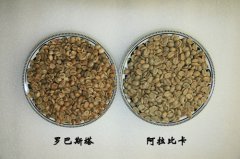
Comparison between Arabica and Robbins Tadou
The appearance of Arabica coffee beans is quite obvious compared with that of Robusta coffee beans. Arabica coffee is long, flat, complete and greenish; robusta coffee is round, thicker and whiter. However, it may be because the degree of baking is also different, so this difference alone is not objective.
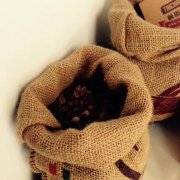
Arabica acidity is higher than Robusta acidity.
1. Arabica acidity is high, Robusta acidity is low; 2. Wash beans acidity is high and sun beans acidity is low; 3. Light baking acidity is high and deep baking acidity is low; 4. High acidity does not mean bright and low acidity does not mean dull; 5. Fast baking acidity is relatively bright, but improper control will cause sharp acid; Slow baking acidity is relatively soft, but improper control will cause dull; 6. High water temperature production, acidity is relatively bright,

What are Arabica coffee beans with high-quality aroma and sour taste
What are Arabica coffee beans? It is also one of the coffee beans, but it is also an important kind of commercial coffee, and its most obvious feature is its high-quality aroma and sour taste. Secondly, Arabica coffee beans are mainly produced in South America (except parts of Argentina and Brazil), Central America and Africa (Kenya, Ethiopia and other places, mainly East African countries).
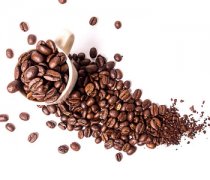
Is it okay to eat expired Arabica coffee beans?
Is it okay to eat expired Arabica coffee beans? It's hard to say. It depends on the situation. 1. Moldy Arabica coffee beans it doesn't matter if you eat moldy Arabica coffee beans. You just have to stay in the hospital for ten or eight days. 2. Arabica coffee beans with a white shell. If you eat coffee beans with a white shell, it is serious. Because of this kind of coffee
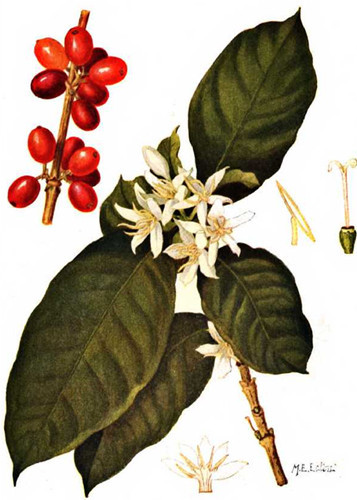
Introduction of Arabica beans characteristics of Arabica beans
Arabica beans are an important kind of commercial coffee with a period of less than three years and have high-quality aroma and sour taste. Arabica coffee beans are mainly produced in South America (except parts of Argentina and Brazil), Central America, Africa (Kenya, Ethiopia, mainly East African countries), Asia (Indonesia, Yemen, India, Papua New Guinea).
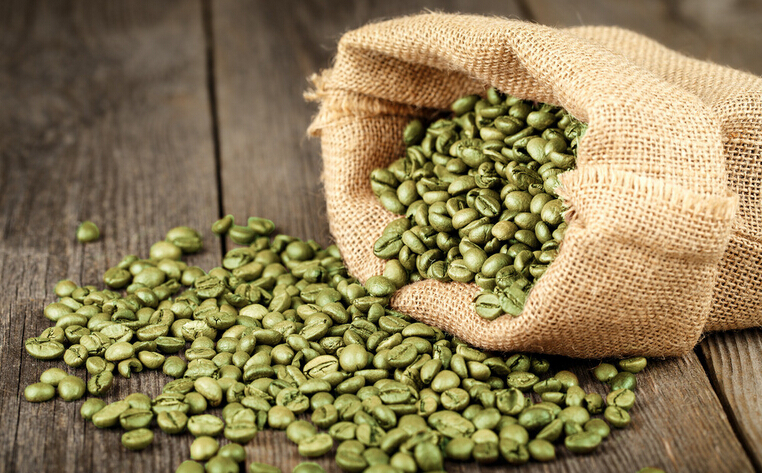
What are Arabica coffee beans?
What is Arabica coffee beans? Arabica coffee beans are also one of the coffee beans, but account for 70% and 80% of coffee bean production. It can be seen that Arabica coffee beans are the main source of raw materials for coffee. So what is Arakabi? What kind of nutrition does it have? What's the use? How does it make coffee? What if you eat expired Arabica coffee beans?
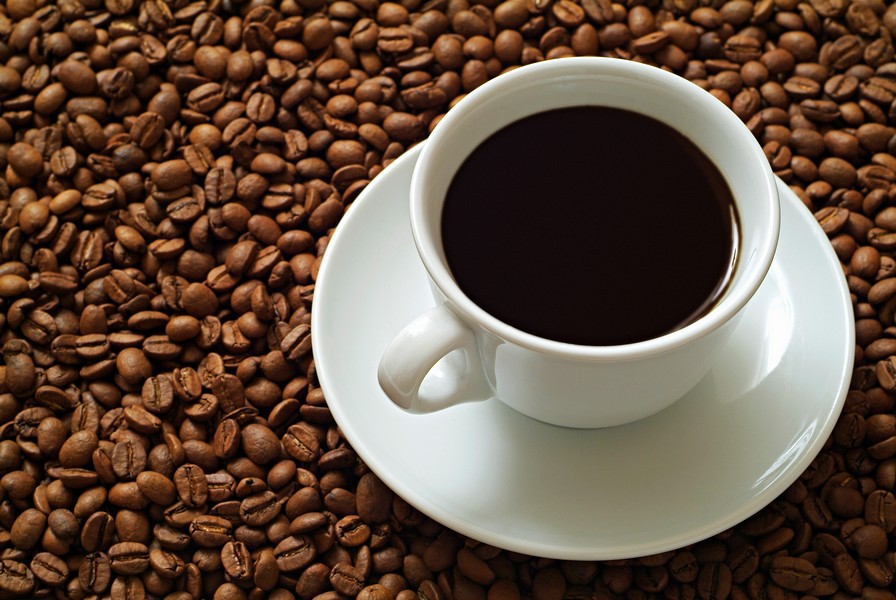
The characteristics of Arabica beans eat expired Arabica coffee beans, okay?
Is it good to eat expired Arabica coffee beans? It's hard to say. It depends on the situation. 1. Moldy Arabica coffee beans it doesn't matter if you eat moldy Arabica coffee beans. You just have to stay in the hospital for ten or eight days. 2. the shell of Arabica coffee beans is white if the shell is white.

Arabica Fine Coffee beans introduce the taste of Arabica coffee beans
Arabica beans are an important kind of commercial coffee with a period of less than three years and have high-quality aroma and sour taste. Arabica coffee beans are mainly produced in South America (except parts of Argentina and Brazil), Central America, Africa (Kenya, Ethiopia, mainly East African countries), Asia (Indonesia, Yemen, India, Papua New Guinea).