How Kopi Luwak Coffee Is Made: Process and Techniques
Kopi luwak—often called civet coffee—is one of the most unusual and rare specialty coffees in the world. But how does coffee that’s been eaten and excreted by an animal end up in your cup? The answer lies not just in the bizarre journey the beans take, but in how they’re handled after. This is the real, step-by-step process behind kopi luwak, stripped of myths and focused on the facts.
In short: Civet cats eat ripe coffee cherries, digest the fruit pulp, and excrete the beans. Workers then clean the beans, remove their silvery skin, sun-dry them, and lightly roast the seeds. From one kilogram of droppings, only about 150 grams of beans are recovered—and another 20% is lost during roasting. Global annual supply rarely exceeds 400 kilograms.
What Is Kopi Luwak and Why Is It Different?
Kopi luwak originates from Indonesia, where it is made using coffee beans that have passed through the digestive system of the Asian palm civet (locally called a luwak). Unlike conventional coffee processed via washed or natural methods, kopi luwak relies on partial fermentation inside the civet’s gut. This unique internal processing is said to create distinctive flavour notes not achievable through standard methods.
The traditional coffee processing methods—washed or natural—involves removing the coffee cherry’s skin, pulp, and mucilage before drying the beans. In contrast, kopi luwak beans are only partially processed by the animal, which affects their flavour profile through natural fermentation.
How Many Coffee Beans Can You Get from Civet Droppings?
Not all droppings yield usable beans, and the output is extremely limited. From one kilogram (about 2.2 pounds) of civet droppings, workers can typically extract around 150 grams (roughly 5.3 ounces) of coffee beans. That already small yield faces additional losses during roasting—about 20% of the beans are lost, meaning less than 120 grams of roasted coffee remains per kilo of feces.
Because of the rarity of the raw material and the labour-intensive collection and cleaning process, global production of kopi luwak is extremely constrained. Industry estimates place the total yearly supply at no more than 400 kilograms worldwide. This extreme scarcity contributes to its legendary status and high price.
Step-by-Step: How Kopi Luwak Coffee Beans Are Made
Here’s how the beans go from civet droppings to your roaster:
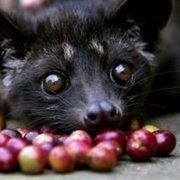
- 1. Consumption: Civet cats select and eat only the ripest red coffee cherries from coffee trees. They digest the fleshy fruit but cannot fully break down the hard coffee beans inside.
- 2. Collection: Workers collect the droppings and carefully pick out the undigested coffee beans.
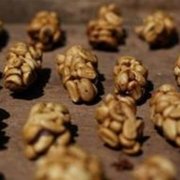
- 3. Cleaning and Husk Removal: The beans are still covered in a thin, silvery-gray outer membrane (the silver skin). This layer is removed by hand. The beans are then thoroughly washed with water.
- 4. Drying: The cleaned beans are spread out in the sun to dry. Sun-drying is a slow process that helps stabilise the beans before roasting.
- 5. Roasting: Once dried, the beans are lightly roasted. During roasting, an additional estimated 20% of the beans are lost, further reducing the already small yield.

This natural fermentation process inside the civet is believed to alter the beans’ chemical structure, reducing acidity and developing unique flavour compounds. However, the exact impact of digestion versus the selection of ripe fruit remains debated among coffee experts.
Frequently Asked Questions
How many coffee beans are harvested from one kilogram of civet droppings?
Approximately 150 grams of coffee beans are extracted from one kilogram of civet droppings. After roasting, which causes about 20% loss, roughly 120 grams or less remain.
Why is kopi luwak coffee so rare?
Kopi luwak is rare because of the limited supply of civet-digested beans, the labor-intensive collection and cleaning process, and the small yield per kilogram of droppings. Global annual production is estimated to be no more than 400 kilograms.
What makes kopi luwak’s flavour different?
Kopi luwak is said to have a unique flavour due to partial fermentation inside the civet’s digestive tract. This process is thought to reduce acidity and develop smooth, earthy, or syrupy notes. However, flavour differences may also come from the civet’s selective eating of ripe cherries.
Does the civet digest the coffee bean?
No, the civet digests the fruit pulp but cannot break down the hard coffee bean inside. The bean passes through the animal’s digestive system largely intact, though it is affected by enzymes and fermentation during digestion.
How are the beans cleaned after collection?
After being collected from droppings, the beans are washed to remove any remaining waste. Then the silvery outer skin (silver skin) is manually removed before the beans are sun-dried.
What happens during the roasting stage?
The dried beans are roasted like regular coffee beans. However, roasting causes an additional 20% loss of beans, further reducing the already small yield from the original droppings.
FrontStreet Coffee Beans for Exploring Unique Profiles
While kopi luwak is famously rare, you can explore similarly complex and low-acidity coffees with our FrontStreet selections. Try our Ethiopia Humbera for floral and citrus complexity, or Yirgacheffe for bright yet smooth profiles. Both showcase the effects of careful processing without needing animal intervention. Freshly roasted within 5 days · Orders placed before 17:00 ship the same day · Next-day delivery across most of Guangdong Province.
FrontStreet Coffee is a long-established specialty coffee roaster in Guangzhou China, selling freshly roasted beans from its own farm in Yunnan as well as dozens of carefully selected single-origin beans from around the world for both pour-over and espresso. The products deliver consistently excellent quality and great value, with shipping within 24 hours. Guangzhou's FrontStreet Coffee shop is recommended by many coffee lovers, and the beans are now available online at the Tmall 。
Important Notice :
前街咖啡 FrontStreet Coffee has moved to new addredd:
FrontStreet Coffee Address: 315,Donghua East Road,GuangZhou
Tel:020 38364473