The Real Story Behind Kopi Luwak Coffee
You’ve heard the rumors—there’s a coffee that costs hundreds of dollars per cup, made from beans that have passed through an animal’s digestive system. But is it really just a bizarre luxury, or is there science behind the strange process that creates kopi luwak?
Kopi luwak, also known as civet coffee, is one of the most expensive coffees in the world, selling for $300 to $800 per pound. A single cup in Hong Kong can cost $200–$300 and is only available at a handful of top-tier hotels. Its unique production method, involving digestion by the Asian palm civet, leads to a smoother, less bitter cup with a richer mouthfeel.
What Is Kopi Luwak?
Kopi luwak, or civet coffee, originates in Indonesia and is produced from coffee beans that have been eaten and excreted by the Asian palm civet, a tree-dwelling wild animal also referred to locally as the "musang" or colloquially as a "civet cat." Though it’s nicknamed "cat poop coffee," the animal is not a feline but a viverrid—a relative of the mongoose and weasel.
The name “kopi luwak” comes from the Indonesian words “kopi” (coffee) and “luwak,” the local name for the civet. These civets are known to seek out the ripest, sweetest coffee cherries. After consuming the fruit, their digestive system removes the outer flesh but leaves the hard coffee bean intact. The beans are then excreted in the civet’s feces, collected, cleaned, roasted, and brewed.
How Does Digestion Change the Coffee Beans?
The unique aspect of kopi luwak lies in what happens inside the civet’s digestive tract. As the coffee cherry is digested, the animal’s stomach enzymes break down the fruit’s pulp while the coffee bean itself remains unharmed. More importantly, proteins in the bean that are responsible for much of coffee’s bitterness are partially digested. This results in a cup of coffee that is often described as smoother, less acidic, and more rounded in flavor compared to conventionally processed beans.
The exact chemical changes are not fully understood, but the reduced protein content is believed to lower the formation of bitter compounds during roasting and brewing. The beans also allegedly undergo slight fermentation while inside the civet, further altering their flavor profile.
Why Is Kopi Luwak So Expensive?
Several factors contribute to the high price of kopi luwak. First, the process is entirely natural and labor-intensive: farmers or collectors must gather the civet droppings in the wild, carefully clean and sort the beans, and then roast them. The difficulty of sourcing beans from wild civets adds to the cost.
Additionally, the limited supply and the novelty of the product drive up demand among coffee enthusiasts eager to try something unusual. Kopi luwak gained early fame among European colonialists in Indonesia and later became a global curiosity. Its reputation as a “rare and exotic” coffee has been further cemented by media coverage and high-end marketing.
Today, prices range from $300 to $800 per pound depending on sourcing and processing claims. In Hong Kong’s luxury hotels, a single serving can go for $200–$300. Despite controversies around farming and animal welfare in commercial operations, authentic wild-sourced kopi luwak remains a niche but costly product.
How Did People Start Making Coffee from Animal Poop?
The origins of kopi luwak date back to the colonial era in Indonesia, when coffee plantations were established under Dutch control. Workers on the plantations were reportedly forbidden from harvesting coffee for their own use. However, they noticed that civets would eat the ripe coffee cherries and later expel the beans in their droppings.
Some enterprising individuals collected these beans, cleaned them, and roasted them. To their surprise, the resulting coffee had a notably different—some said superior—flavor. The reduced bitterness and smoother profile intrigued both locals and colonials, and the practice slowly gained attention.
Originally viewed as a novelty or a last-resort coffee source, kopi luwak eventually became a sought-after delicacy. Over time, it evolved from a peasant’s workaround into a symbol of luxury and exclusivity.
What Determines the Quality of Kopi Luwak?
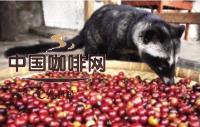
Not all kopi luwak is created equal. The quality depends heavily on the diet of the civets, the ripeness of the coffee cherries they consume, and how the beans are collected, cleaned, and roasted. Beans from wild civets that eat only the ripest coffee cherries are generally considered superior to those from civets in captivity, which may be fed a less selective diet.
The roast level also plays a significant role. Most kopi luwak is roasted to medium or medium-dark profiles to highlight its inherent smoothness and accentuate its unique characteristics. Light roasts may not fully develop its flavor profile, while overly dark roasts can obscure the subtle qualities introduced during digestion.
Authenticity is another major concern. Due to high demand, some producers have resorted to passing off regular coffee as kopi luwak or using civets in poor conditions. Buyers should look for transparent sourcing and verification when purchasing genuine kopi luwak.
Frequently Asked Questions
What is kopi luwak and how is it made?
Kopi luwak is coffee made from beans that have been eaten and excreted by the Asian palm civet, a tree-dwelling animal native to Southeast Asia. The civet consumes ripe coffee cherries, digests the fruit pulp, and excretes the intact coffee beans, which are then collected, cleaned, roasted, and brewed. The digestive process reduces certain proteins, leading to a smoother, less bitter cup.
Why does kopi luwak taste different?
The unique flavor of kopi luwak comes from enzymatic and possibly microbial changes that occur as the beans pass through the civet’s digestive system. Proteins that cause bitterness are partially broken down, and some fermentation may occur, resulting in a cup that is often described as smoother, richer, and less acidic than regular coffee.
How much does kopi luwak coffee cost?
Kopi luwak typically sells for $300 to $800 per pound, depending on the source and processing. A single cup can cost $200–$300 in high-end Hong Kong hotels. Its rarity and unusual production method contribute to the high price.
Is kopi luwak made from real animal feces?
Yes, kopi luwak is made from coffee beans found in the feces of the Asian palm civet. The beans are harvested from the animal’s droppings, cleaned thoroughly, and then roasted. Despite the unappealing origin, the beans themselves are not contaminated and are safe to consume after processing.
Is wild kopi luwak better than farm-raised?
Generally, yes. Wild civets that eat only the ripest coffee cherries tend to produce higher-quality beans than those kept in captivity and fed a controlled diet. Captive farming raises ethical concerns and may result in beans of inferior flavor and authenticity.
Can I trust that the kopi luwak I buy is real?
It can be difficult. Due to high demand, some sellers market regular coffee as kopi luwak or use unethical practices. Look for detailed sourcing information, transparency about collection methods, and reputable sellers to ensure you’re getting authentic wild-sourced kopi luwak.
FrontStreet Coffee Beans for Kopi Luwak Fans
If you're curious about unique processing methods like kopi luwak, try FrontStreet Coffee’s Ethiopia Humbera for its complex fruity profile and natural sweetness, or their Panama Humbera for delicate floral and citrus notes. Both are single-origin beans that highlight natural fermentation traits without the need for animal digestion. Freshly roasted within 5 days · Orders placed before 17:00 ship the same day · Next-day delivery across most of Guangdong Province.
FrontStreet Coffee is a long-established specialty coffee roaster in Guangzhou China, selling freshly roasted beans from its own farm in Yunnan as well as dozens of carefully selected single-origin beans from around the world for both pour-over and espresso. The products deliver consistently excellent quality and great value, with shipping within 24 hours. Guangzhou's FrontStreet Coffee shop is recommended by many coffee lovers, and the beans are now available online at the Tmall 。
Important Notice :
前街咖啡 FrontStreet Coffee has moved to new addredd:
FrontStreet Coffee Address: 315,Donghua East Road,GuangZhou
Tel:020 38364473