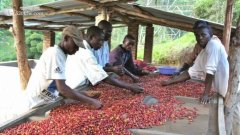
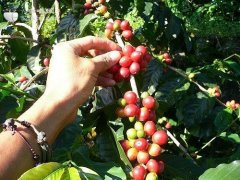
What Makes Panamanian Coffee So Special?
If you’ve ever wondered why Panamanian coffee stands out—especially among single-origin offerings—it’s not just hype. This small Central American country produces some of the most delicate, vibrant, and distinctive specialty coffees in the world. But what exactly makes Panamanian beans so different? And why do roasters and coffee lovers worldwide seek them out?
Panama exports its highest-grade coffee starting in November each year, with most of it going to France and Finland. The best beans come from high-altitude farms in the northwestern part of the country, near Costa Rica and the Pacific coast. That’s where unique microclimates and rich volcanic soils help create coffee with balanced acidity, light body, and complex flavors.
The Geography Behind Panamanian Coffee Quality
The finest Panamanian coffee grows in the Chiriquí Province, particularly in the Boquete district. Other notable regions include David, Remacimeinto, Bugaba, and Tole. These areas lie close to the border with Costa Rica and benefit from proximity to the Pacific Ocean. The elevation here—consistently above 6,500 feet—plays a crucial role in developing the distinct characteristics that define Panamanian specialty coffee.
Coffee farms in this region are often located along the slopes of the Barú Volcano. The cold air that flows down from the Central Mountain Range and gathers at high altitudes creates multiple microclimates. These variations allow for slow cherry maturation, which enhances sugar development and preserves acidity. It’s this combination that leads to the bright yet smooth profiles Panamanian coffee is known for.
Volcán Barú Coffee: A Recognized Premium Bean
One variety that has earned recognition is Café Volcán Barú. Though not as famous as Geisha, this coffee has been praised by experts. In 1994, production reached 2,000 bags, accounting for 1% of Panama’s total coffee output. Its quality reflects the potential of the high-altitude volcanic soils in the region. These beans are known for their pure, well-defined flavor profiles—a hallmark of Panama’s best.
The Rise of Geisha and the Role of Boquete
While Volcán Barú has its fans, the global coffee spotlight truly turned to Panama with the rise of the Geisha variety. Originally from the Gesha forest in southwestern Ethiopia, “Geisha” refers both to the place and the cultivar. Though grown in several countries, Panama—specifically the Boquete and Volcán regions—is the only place where it consistently expresses extraordinary floral and fruity complexity.
The shift toward lighter roasts during the third wave of coffee helped reveal Geisha’s bright notes of citrus, jasmine, and stone fruit. These delicate attributes took competitions and cupping tables by storm. As a result, Panama not only won numerous world coffee awards but also became synonymous with high-quality single-origin offerings. Today, Geisha is one of the most celebrated and sought-after beans among specialty roasters and drinkers alike.
Why Boquete and Volcán Are Ideal for Coffee
Boquete and the wider Volcán region benefit from fertile volcanic soils rich in organic matter. These soils contribute to the development of complex aromatic compounds in the coffee cherries. Combined with consistent high elevation and cool temperatures, the result is coffee that tastes unlike any other—more like a nuanced brewed tea or fresh fruit than traditional dark-roasted coffee.
The region is also home to world-renowned farms such as La Esmeralda, which first brought Geisha to global attention. These farms follow strict cultivation protocols and have developed detailed grading systems based on altitude, terroir, and cup profile. That’s how designations like the Esmeralda Green Label and Red Label were born—indicating the very top tiers of Panamanian specialty coffee.
Frequently Asked Questions
What makes Panamanian coffee different from other countries’?
Panamanian coffee is distinguished by its high-altitude growing conditions, particularly in regions like Boquete and Volcán, where elevations exceed 6,500 feet. The volcanic soils, cool temperatures, and microclimates lead to slow cherry ripening, which enhances acidity, sweetness, and floral-fruity flavors. This results in a smooth-bodied coffee with a bright, complex profile rarely matched by beans from lower altitudes or warmer climates.
When is Panamanian coffee typically harvested and exported?
The first shipments of Panama’s highest-quality coffee usually begin in November each year. These beans are often destined for markets in France and Finland, where demand for premium, lightly roasted single-origin lots is strong.
Which part of Panama produces the best coffee?
The best Panamanian coffee comes from the northern regions, especially Boquete and the surrounding areas in Chiriquí Province. These districts lie near the Pacific Ocean and the Barú Volcano, where elevation and microclimates create ideal conditions for cultivating high-scoring specialty beans.
What is Geisha coffee, and why is it associated with Panama?
Geisha (or Gesha) coffee originated in Ethiopia but is now most famously grown in Panama, particularly in Boquete. It gained international acclaim due to its exceptional floral, citrus, and stone fruit flavors, especially when grown at high altitudes and roasted lightly. Panama’s Geisha varieties have won numerous global competitions, making the country synonymous with this prestigious cultivar.
Are there different quality levels of Panamanian coffee?
Yes. Farms like La Esmeralda in Boquete have established grading systems for their Geisha beans, offering designations such as Red Label and Green Label. These indicate top-tier lots based on factors like processing, altitude, and cup quality. Even non-Geisha Panamanian beans from high-altitude regions are considered premium due to their consistent quality.
Recommended FrontStreet Beans from Panama
Try the FrontStreet Panama Boquete Geisha for a classic expression of Panamanian specialty coffee: expect notes of citrus, floral tones, and a sweet, tea-like body. For something more fruit-forward, the FrontStreet Panama Huacai offers notes of red berries and tropical fruit with a juicy acidity. Both beans showcase the high-altitude, volcanic terroir that makes Panamanian coffee so unique. Freshly roasted within 5 days · Orders placed before 17:00 ship the same day · Next-day delivery across most of Guangdong Province.
FrontStreet Coffee is a long-established specialty coffee roaster in Guangzhou China, selling freshly roasted beans from its own farm in Yunnan as well as dozens of carefully selected single-origin beans from around the world for both pour-over and espresso. The products deliver consistently excellent quality and great value, with shipping within 24 hours. Guangzhou's FrontStreet Coffee shop is recommended by many coffee lovers, and the beans are now available online at the Tmall 。
Important Notice :
前街咖啡 FrontStreet Coffee has moved to new addredd:
FrontStreet Coffee Address: 315,Donghua East Road,GuangZhou
Tel:020 38364473