
Specialty Coffee Beans
Latest articles, industry insights and brewing guides

What Is Kopi Luwak? The Truth About Civet Coffee
Kopi Luwak, or civet coffee, is one of the rarest and most expensive beans in the world. Here’s how it’s made, why it tastes different, and the real facts behind the myth.
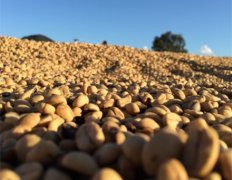
High-Yield Colombian Coffee Beans: Flavor & Varieties
Colombia ranks third globally in coffee production, offering high yields of washed Arabica beans with bright acidity and balanced flavors.
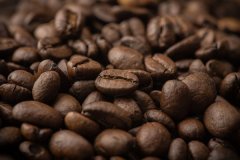
How Brazil Grades Its Specialty Coffee Beans
Brazil uses a unique cupping-based grading system, not altitude or bean size. Here’s how their 5-tier quality scale works.
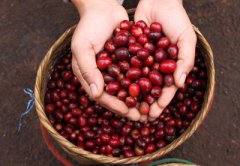
What Is Jamaica Blue Mountain Coffee?
Learn what makes Jamaica Blue Mountain coffee rare and premium, from its strict growing conditions to its unique flavor profile and certification.
Top Ethiopian Specialty Coffee Beans You Should Know
Explore Ethiopia’s most famous specialty coffees, from Yirgacheffe to Harrar, with production facts, flavor profiles, and growing altitudes.
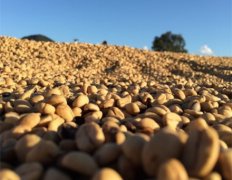
What Makes Kenyan Coffee So Special?
Kenyan coffee grows at high altitudes, delivers bold fruit flavors like blackberry and grapefruit, and features unique acidity. Learn why it’s a favorite among specialty coffee drinkers.

Ecuadorian Specialty Coffee: Flavor, Origin & Roast Guide
Learn why early June-harvested Ecuadorian arabica offers balanced, fragrant cups ideal for blends and filter brewing.
What Is Salvadoran Hot Spring Coffee?
Salvadoran hot spring coffee is a rare washed-process coffee made with geothermal water, known for its sweet, smooth acidity.
Peruvian Specialty Coffee: Origins, Flavor, and Quality
Learn where Peru’s best specialty coffee comes from, what makes it unique, and why it’s valued for blending and single-origin brewing.

Tanzanian Coffee Guide: Flavor, Regions & Roast Profile
Explore Tanzanian coffee’s bright acidity, floral notes, and ideal roast level. Learn why Chagga AA and washed beans from Kilimanjaro stand out.

Panama Coffee Market: Production, Challenges, and Current Status
Explore the current state of Panama’s coffee industry, including market control, production levels, and challenges facing quality-focused producers.

What Makes Panamanian Specialty Coffee Unique?
Discover the smooth, bright flavor of Panama’s high-altitude coffee, especially from the Boquete and Volcán Barú regions. Learn what sets it apart.
Rwanda Coffee: Quality, Market, and Production Facts
Rwandan washed Arabica beans are known for their soft, rich flavors. The country’s coffee industry thrives on quality, with increasing global recognition.
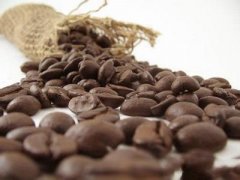
What Makes Rwandan Coffee Unique? Flavor & Origin Guide
Rwandan coffee features bright citrus and chocolate tones with soft, juicy body. Grown at high altitudes on volcanic soils, it’s best brewed dark roasted.

Costa Rica Coffee Production, Exports & Market Trends
Costa Rica exports 25% of its total goods as coffee, with 10% consumed domestically. Most high-elevation beans face transport costs that challenge profitability.

What Makes Costa Rican Coffee Special?
Costa Rican coffee thrives at high altitudes, producing bright, sweet, and complex flavors—especially in regions like Tarrazú. Learn what sets it apart.
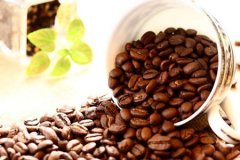
Jamaica Blue Mountain Coffee Market and Roasting Facts
Learn why 90% of Blue Mountain Coffee goes to Japan, how it’s certified, and why it remains one of the world’s most sought-after coffees.
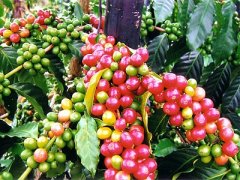
What Makes Jamaican Blue Mountain Coffee So Special?
Learn why Jamaica Blue Mountain is among the world’s most expensive and sought-after coffees, from its strict growing region to its balanced flavor profile.

Kenya Coffee Guide: Flavor, Grades & Market System
Discover what makes Kenyan coffee unique, from its bright acidity and fruity profile to its strict auction-based grading system.

What Makes Indonesian Coffee Unique? Mandheling & Wet-Hulled Processing
Indonesia’s signature low-acid, herbal coffee style comes from wet-hulling, high-elevation growing, and a famous naming mistake. Here’s what defines Mandheling.