
Specialty Coffee Beans
Latest articles, industry insights and brewing guides
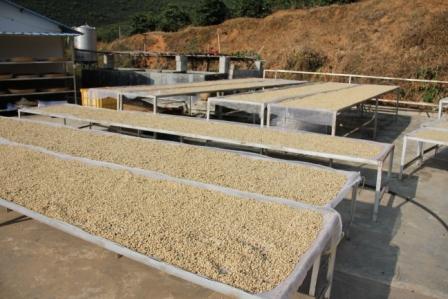
Angola’s Declining Coffee Legacy: What Happened?
Once Africa’s second-largest coffee exporter, Angola produced 3.5 million bags in the 1970s—mostly robusta. By 1990, output plummeted to just 200,000 bags. Here’s why.
What Is Kopi Luwak? The World’s Most Expensive Coffee Explained
Kopi luwak, or civet coffee, is made from beans eaten and excreted by civets. It sells for $28.75 per 500g due to unique fermentation in the animal’s gut.
Panama's CASA RUIZ Sweet Geisha Coffee Explained
Learn about CASA RUIZ’s award-winning Sweet Geisha, a BOP #7 Panamanian Geisha with bright citrus, honey, and tropical fruit flavors.
Cubita Coffee: What Makes Cuban Crystal Mountain Special
Cubita Coffee from Cuba’s Crystal Mountain offers a smooth, balanced profile akin to Jamaican Blue Mountain, grown at high elevation with washed processing.

What Makes Jamaican Blue Mountain Coffee So Special?
Discover why Jamaican Blue Mountain coffee tastes so pure, from its strict growing standards to limited annual production.
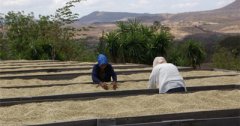
What Makes Ethiopian Yirgacheffe Coffee So Unique?
Yirgacheffe is Ethiopia’s highest-altitude coffee zone, famed for its floral, citrusy washed and increasingly popular natural-process beans.
Panama Geisha Natural Process Coffee from 90+ Estate
Explore the intense tropical and stone fruit flavors of 90+ Panama Geisha natural coffee, grown at 1250–1650m and processed in full sun.
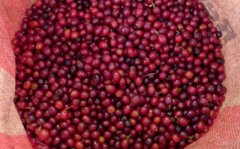
What Is Geisha Coffee? The Panamanian Specialty Bean Explained
Learn why Panamanian Geisha coffee is so expensive, how it’s processed, and what makes its flavor profile legendary.

What Makes Kenyan Coffee Unique? Flavor & Origins Explained
Kenyan coffee is famed for its bright acidity and wine-like complexity. Learn why its high-altitude SL28/SL34 beans and unique washed process create such standout flavor.

Ethiopian Coffee Origins: Yirgacheffe, Sidamo, and Harar
Explore Ethiopia’s key coffee regions—Yirgacheffe, Sidamo, and Harar—and learn what makes their beans uniquely aromatic and acidic.

What Is Mandheling Coffee? Indonesia’s Bold Specialty Bean
Discover the origins, processing, and flavor profile of Mandheling coffee from Sumatra, including PWN Golden Mandheling and Lintong beans.
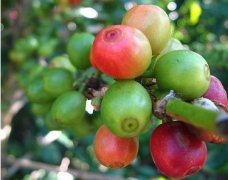
What Makes Panamanian Geisha Coffee So Special?
Discover why Panamanian Geisha coffee became the new 'coffee king'—from its Ethiopian roots to its record-breaking cup quality.
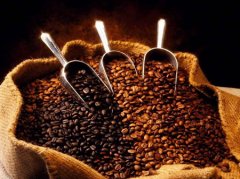
How to Tell Real vs Fake Jamaica Blue Mountain Coffee
Learn how to identify genuine Jamaica Blue Mountain coffee by examining its shape, aroma, roast traits, and taste profile — key traits counterfeit beans lack.
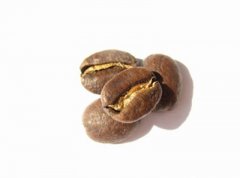
What Is Jamaica Blue Mountain Coffee?
Learn what makes Jamaica Blue Mountain coffee so rare, expensive, and sought-after—from strict production rules to its legendary balance.
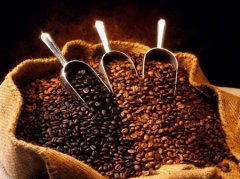
What Is Hawaiian Kona Coffee? Flavor & Traits Explained
Hawaiian Kona is a premium single-origin coffee known for its bright acidity, sweet profile, and smooth mouthfeel. Grown on volcanic slopes, it has a unique tropical character.
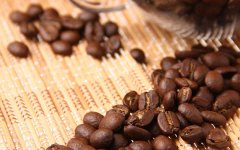
Vietnam’s Coffee Origins: From French Roots to Global Supply
Learn how Vietnam became the world’s second-largest coffee producer, dominated by Robusta, and explore its French-colonial coffee heritage.
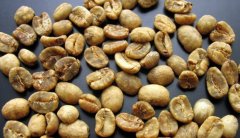
Indonesia’s Aged Mandheling Coffee Beans Explained
Learn about aged Mandheling coffee from Sumatra, Indonesia, including its production regions, unique processing, and why enthusiasts love its rich body and low acidity.
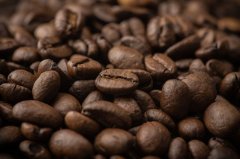
Why Guatemala Coffee Beans Are Considered Noble
Discover why Guatemala coffee beans are prized for their bold flavors, balanced acidity, and elegant aroma — ideal for medium to dark roasts.

Understanding Panama Coffee: Flavors, Regions, and Rise to Fame
Discover Panama’s rise in specialty coffee, from its mild mountain-grown beans to the celebrated Geisha variety driving global demand.

What Is Kopi Luwak Coffee and Why Is It So Expensive?
Kopi Luwak, or civet coffee, is famously rare and expensive due to its unique fermentation in the civet’s digestive tract. Here’s how it’s made and why it costs up to $800 per pound.