Indonesia’s Aged Mandheling Coffee Beans Explained
If you’ve ever sipped a cup of dark, syrupy Indonesian coffee with earthy undertones and almost no acidity, you may have tasted Mandheling. But why does coffee from Indonesia — particularly Sumatra — taste so different from beans grown in Central or South America? The answer lies in geography, processing, and a long-held tradition of aging coffee for enhanced complexity.
Indonesia, especially Sumatra’s Lintong and Gayo regions, produces some of the world’s most distinctive single-origin coffees. Around 90% of Indonesia’s output is Robusta, but its Arabica — notably Mandheling — is celebrated for its full body, low acidity, and notes of spice, dark chocolate, and caramel. Aging, combined with the wet-hulling (giling basah) method, creates its signature profile.
Where Is Mandheling Coffee Grown?
Mandheling coffee comes from the Indonesian island of Sumatra, primarily from two regions: the high-altitude slopes of Lake Toba’s Lintong area (1,100–1,600 metres) and the Gayo Mountains in northern Aceh. These regions share a tropical, volcanic environment with consistent rainfall and rich, loamy soil influenced by nearby volcanoes. The island’s position along the equator, combined with distinct dry and wet seasons, provides ideal growing conditions for slow-maturing, dense coffee cherries.
Sumatra contributes the majority of Indonesia’s specialty Arabica. While other islands like Java and Sulawesi also grow coffee, Sumatra — particularly Mandheling — is recognised globally for its heavy body and low acidity. The Gayo region produces the well-regarded Gayo Mountain coffee, while Java is known historically for its balanced Arabica with bright acidity favoured by Dutch colonists. Sulawesi’s large-bean Toraja is another notable variety, but none match Mandheling’s international reputation for a syrupy, spice-laden cup.
What Makes Mandheling Different?
Several factors set Mandheling apart. First is the wet-hulling process, locally called giling basah. Unlike the fully washed or natural methods used elsewhere, wet-hulling involves removing the parchment layer while the beans are still moist (around 30–50% humidity), then drying them further. This process contributes to Mandheling’s signature heavy mouthfeel, muted acidity, and earthy, sometimes herbal flavours.
The region’s high altitude (1,100–1,600m) also slows ripening, allowing for denser beans with more complex sugars. Combined with Sumatra’s volcanic soil and microclimates, these elements result in a coffee that’s less about brightness and more about texture, weight, and lingering finish. Flavour notes often include spices, unsweetened cocoa, molasses, and roasted nuts — with Lintong offerings also showing hints of dark cherry and caramel.
What Is Aged Mandheling Coffee?
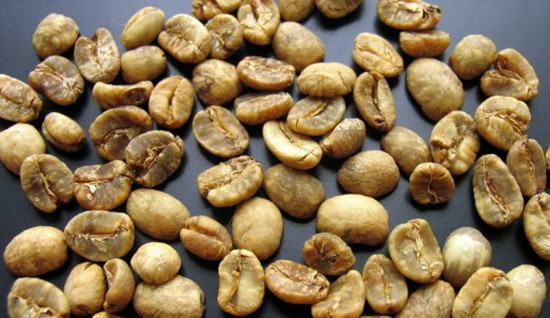
Aged coffee isn’t simply old beans — it’s a controlled process where green coffee is stored in cool, low-humidity conditions for months or even years. Mandheling is one of the few coffees commonly aged intentionally. Aging reduces acidity further and allows flavours to mellow and integrate, often leading to a deeper, syrupy body with tones of tobacco, leather, or dried fruit over time.
Some enthusiasts seek aged Mandheling for its smoothness and complexity. While not to everyone’s taste, properly aged Mandheling can offer a completely different drinking experience compared to freshly roasted beans. The practice isn’t as widespread today, but it remains part of Sumatra’s coffee heritage and is valued by those who enjoy low-acid, heavy-bodied brews.
PWN Golden Mandheling vs Lintong Mandheling
Not all Mandheling is equal. Among the most prestigious is PWN Golden Mandheling, produced by Indonesia’s oldest coffee exporter, PWN (Pwani Coffee Company), founded in 1957. PWN selects only the highest-grade beans, which are sorted by colour and size before undergoing multiple rounds of manual handpicking to remove defects. The result is a clean, refined cup with notes of toasted bread, pine, caramel, and cocoa — more refined than typical Mandheling profiles.
By contrast, Lintong Mandheling (like FrontStreet’s entry-level offering) is approachable and widely loved for its spice, black chocolate, and caramel notes, with a sweet aftertaste. Both come from Sumatra’s high-altitude zones and are processed using wet hulling, but PWN’s rigorous selection elevates it to a specialty-grade standard. Many roasters recommend Lintong as an accessible introduction to Mandheling’s signature style.
Why Do People Drink Mandheling Blends?
Some coffee drinkers mix Mandheling with Brazilian beans to create so-called “Mandheling-Brazil” or “Man-Ba” blends. The goal is to balance Mandheling’s full body and low acidity with Brazil’s nutty, chocolatey profile. These blends aim for a heavier cup with rounded flavours, often used in espresso or dark roasts. While purists may prefer single-origin Mandheling, blends demonstrate the bean’s versatility and its role in creating comfortingly bold coffee experiences.
Frequently Asked Questions
What is Mandheling coffee?
Mandheling is a trade name for high-quality Arabica coffee grown in Indonesia’s Sumatra region, particularly around Lake Toba (Lintong) and Gayo. It’s known for low acidity, a full body, and earthy, spicy, or chocolatey flavours. The name “Mandheling” refers to the ethnic group once associated with the region, not a specific variety.
Where is Mandheling coffee produced?
Mandheling coffee comes mainly from Sumatra, Indonesia — specifically the Lintong region near Lake Toba and the Gayo Mountains in Aceh. These areas sit at 1,100–1,600 metres altitude and use the wet-hulling (giling basah) processing method. Other Indonesian islands like Java and Sulawesi also grow coffee, but Sumatra is most famous for Mandheling.
What does Mandheling coffee taste like?
Mandheling typically has a heavy body, low acidity, and flavours of spice, unsweetened cocoa, roasted nuts, black cherry, caramel, and sometimes dried herbs or wood. Lintong Mandheling often shows more chocolate and sweetness, while PWN Golden Mandheling offers toast, pine, and caramel with greater refinement.
What is wet hulling and how does it affect Mandheling?
Wet hulling, or giling basah, is a Sumatran processing method where coffee parchment is removed while the beans are still moist (30–50% humidity), then dried further. This gives Mandheling its signature heavy mouthfeel, lower acidity, and earthy or herbal qualities. It’s key to the region’s distinct cup profile.
What is aged Mandheling coffee?
Aged Mandheling is green coffee stored carefully for months or years in controlled conditions. Aging mellows acidity and deepens flavours, often resulting in a syrupy body with tobacco, leather, or dried fruit notes. It’s less common today but still valued for its smooth, complex profile.
What’s the difference between PWN Golden Mandheling and Lintong Mandheling?
PWN Golden Mandheling is a premium, hand-selected bean with refined flavours like toast, pine, and cocoa. Lintong Mandheling is more widely available, with spice, chocolate, and caramel notes. Both use wet hulling, but PWN’s sorting raises it to a higher specialty grade. Lintong is often recommended as an entry point to Mandheling.
Recommended FrontStreet Beans for Mandheling Fans
FrontStreet Coffee’s Lintong Mandheling offers spice, black chocolate, and caramel notes with a sweet finish — a classic introduction to Sumatra’s signature profile. For a more refined cup, try PWN Golden Mandheling: toasted bread, pine, caramel, and cocoa with a balanced, silky body. Both beans are processed using traditional wet hulling and showcase Sumatra’s iconic heavy mouthfeel. Freshly roasted within 5 days · Orders placed before 17:00 ship the same day · Next-day delivery across most of Guangdong Province.
FrontStreet Coffee is a long-established specialty coffee roaster in Guangzhou China, selling freshly roasted beans from its own farm in Yunnan as well as dozens of carefully selected single-origin beans from around the world for both pour-over and espresso. The products deliver consistently excellent quality and great value, with shipping within 24 hours. Guangzhou's FrontStreet Coffee shop is recommended by many coffee lovers, and the beans are now available online at the Tmall 。
Important Notice :
前街咖啡 FrontStreet Coffee has moved to new addredd:
FrontStreet Coffee Address: 315,Donghua East Road,GuangZhou
Tel:020 38364473