
Specialty Coffee Beans
Latest articles, industry insights and brewing guides
Zimbabwean Arabica Coffee Beans: What Makes Them Special?
Explore Zimbabwe's high-altitude Arabica coffee scene, known for smooth profiles and fruity brightness akin to Kenya AA.
Zaire Coffee: What Makes It Unique Among Arabicas
Explore why Zaire (now DRC) once produced prized Arabica beans, where the best came from, and how political shifts changed its coffee landscape.
Zambia Coffee vs Kenya: Flavor, Size & Value
Zambia coffee is lighter than Kenya’s but shares similar flavors—ideal for afternoon cups. Learn why its giant beans and fair pricing matter.
Uganda's Arabica Coffee: What Makes It Special?
Uganda produces just 10% Arabica coffee, mostly from Mount Elgon, Bugisu, and Rwenzori regions. Learn why this minority crop still matters.

Yemeni Coffee Beans: Origins, Flavor & Challenges
Explore Yemen’s historic coffee beans, their unique flavors, and why quality varies. Learn about Mocha, Mattari, and traditional processing methods.
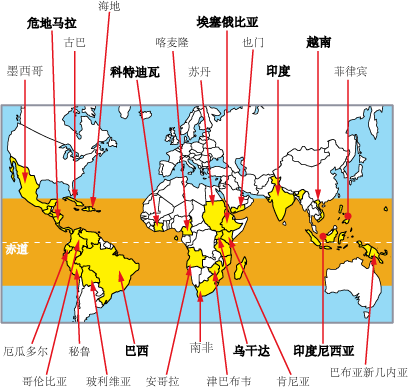
Sudan’s Coffee Legacy: Arabica and Robusta in Conflict
Sudan’s coffee production is nearly extinct after decades of war. Learn how Arabica and Robusta survived in different regions—and why exports are now rare.
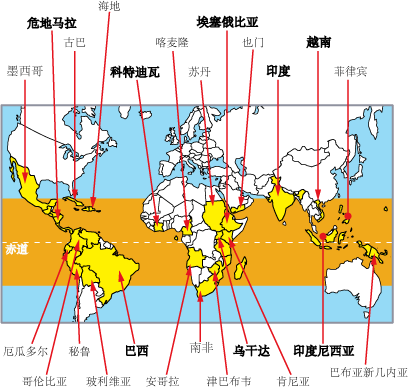
Tanzania Coffee: Flavor, Origin & What Makes It Special
Tanzania produces bright, aromatic Arabica with soft acidity. Learn why its high-altitude beans from Kilimanjaro are highly valued by specialty roasters.
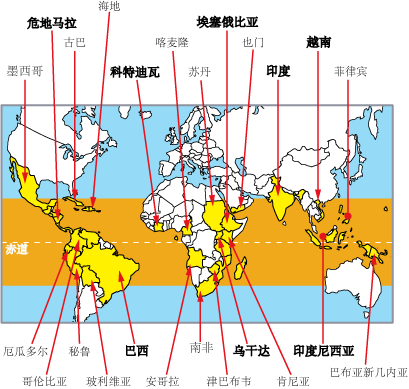
South African & Surinamese Coffee: Flavor, Origins & Production
Discover the aromatic, low-acid coffee profiles of South Africa and Suriname, their origins, farming zones, and surprising Central American taste resemblance.
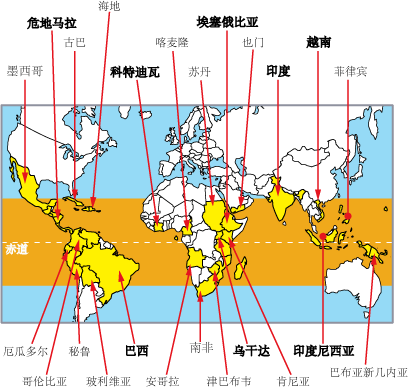
São Tomé and Príncipe’s Rare Arabica Coffee Beans
São Tomé and Príncipe produces small batches of high-quality, softly balanced Arabica coffee with a unique island terroir.
Saint Helena Coffee: Napoleon’s Favorite Arabica Bean
Learn why Saint Helena coffee is so unique, from its 18th-century Yemeni roots to its remote Atlantic island cultivation.
What Is Hawaiian Kona Coffee? Flavor & Profile Explained
Discover the unique taste, origin, and characteristics of Hawaiian Kona coffee, famed for its smooth acidity and volcanic sweetness.
Kopi Luwak: Indonesia’s Most Expensive Specialty Coffee
Kopi Luwak, made from civet-digested beans, is the world’s priciest single-origin coffee. Learn how it’s made, why it tastes unique, and what to expect.
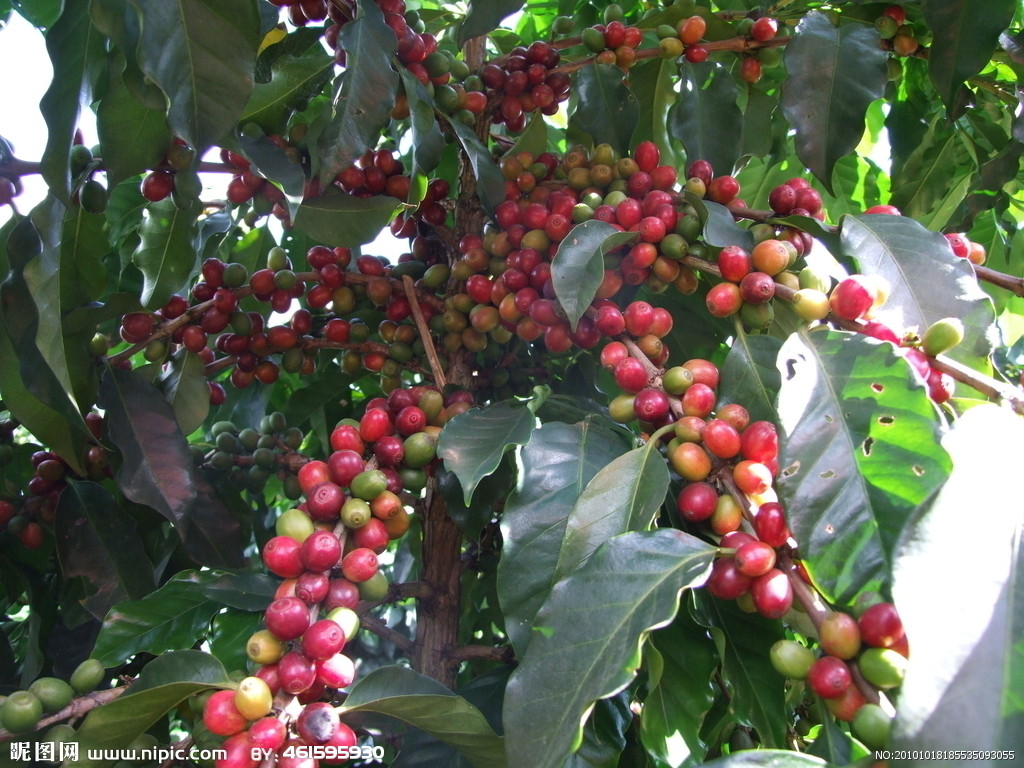
What Makes Rwandan Coffee Unique?
Rwandan washed Arabica beans deliver bright, clean flavors with soft acidity and hints of berry, citrus, and chocolate. Here’s what sets them apart.
Madagascar’s Emerging Arabica Coffee Potential
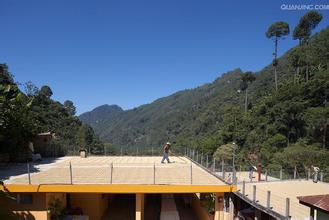
Madagascar mainly grows Robusta, but plans to expand Arabica cultivation. Learn how 2000 hectares of Robusta and 5000 hectares of Arabica could reshape its coffee profile.
What Makes Kenyan Coffee So Special?
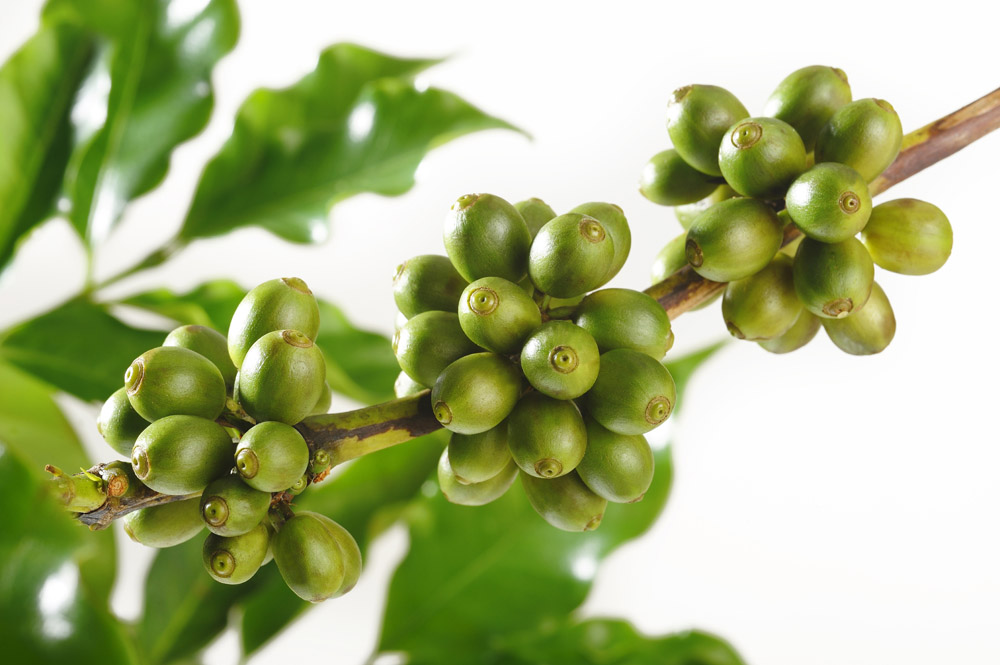
Kenya produces some of the world’s most admired specialty coffees—renowned for vibrant acidity, complex fruitiness, and meticulous processing.
Ivory Coast Coffee: Production, Challenges, and Quality
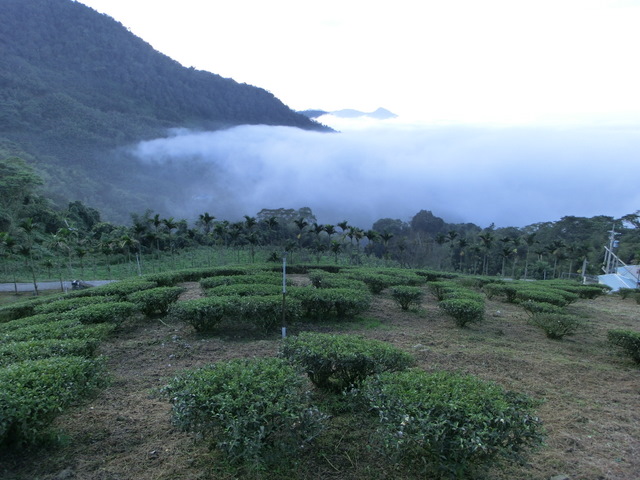
Ivory Coast is the world’s fifth-largest coffee producer, mainly of Robusta. Learn why its Arabica output remains minimal and how production has evolved.
What Makes Ethiopian Coffee Unique? Origins & Flavors Explained
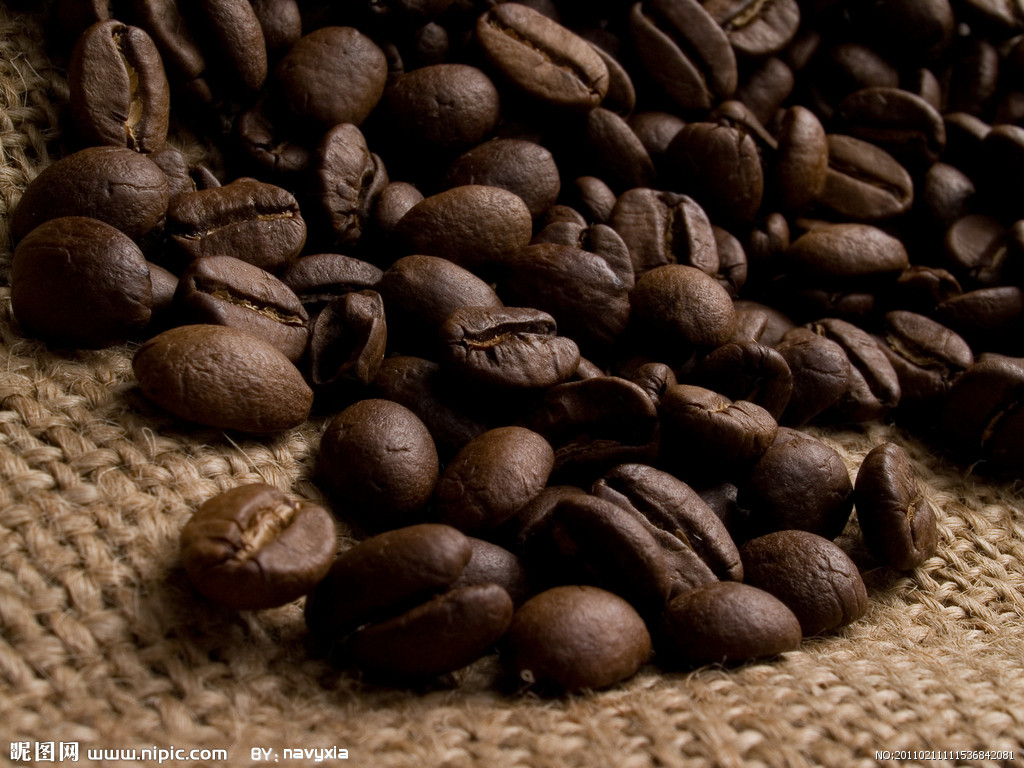
Discover Ethiopia’s role as the birthplace of coffee, its wild-growing trees, and distinctive flavor profiles across key regions like Yirgacheffe and Sidamo.

What Makes Yirgacheffe Coffee So Special?
Yirgacheffe coffee is known for its bright citrus, floral notes, and high elevation. Learn what defines this Ethiopian specialty region.
Burundi Coffee Beans: Flavorful Arabica from a Troubled Region
Discover why Burundi’s high-altitude Arabica coffee delivers bright acidity and floral aromas despite being grown near Rwanda’s conflict zones.
What Makes Kenyan AA Coffee Unique?
Kenyan AA coffee offers bright citrus acidity, winey depth, and juicy complexity. Learn why its flavor stands out and how it’s processed.