What Makes Kenyan AA Coffee Unique?
If you’ve ever tasted a cup of coffee that tastes like someone squeezed a ripe grapefruit into a glass of blackcurrant juice, you might have had Kenyan coffee. But what makes Kenyan beans—especially those labeled 'AA'—so distinctly vibrant, complex, and juicy? This isn’t your average cup of joe. Kenyan coffee offers a sensory experience few other origins can match.
Kenyan AA coffee is known for its bright citrus acidity, layered fruit flavors, and medium body. It commonly features notes of grapefruit, wine, blackcurrant, and plum. The most celebrated Kenyan varieties are SL28 and SL34, grown at high altitudes between 1,200–2,000 meters using a meticulous washed processing method.
What Is Kenyan AA Coffee?
Kenyan AA is not a coffee variety, but a grade based on bean size. In Kenya’s auction system, 'AA' refers to the largest and highest-density beans, typically considered premium. However, the real distinction of Kenyan coffee comes from its unique varieties, high-altitude growing conditions, and specialized processing—not just the bean grade.
Kenya sits on the equator along the Indian Ocean coast, south of Ethiopia. Its coffee-growing regions benefit from volcanic soils, consistent rainfall, and elevations ideal for slow cherry maturation. These factors contribute to the distinct brightness and complexity for which Kenyan coffees are known.
Kenyan Coffee Varieties: SL28 and SL34
The most iconic Kenyan coffee varieties are SL28 and SL34, both developed by the Scott Laboratories (SL) in the 1930s. These cultivars were selected for their ability to thrive at high altitudes and produce exceptional cup quality.
- SL28: Delivers pronounced blackcurrant, citrus, and wine-like acidity with deep, resonant fruitiness.
- SL34: Offers strong fruit acidity balanced with nutty and spicy undertones.
These varieties are celebrated for their ability to express intense fruit character, even though they were bred for performance, not origin prestige. Their performance in high-phosphorus volcanic soils further enhances their complexity, challenging the notion that only traditional heirloom varieties produce great flavor.
The Washed Processing Method
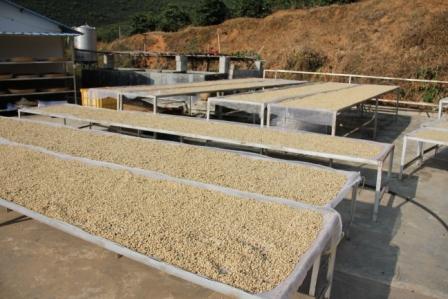
Kenyan coffee is almost exclusively processed using the washed (wet) method, but with a twist. The process includes:
- Depulping the coffee cherry to remove the skin.
- Fermenting the beans for 48 hours to break down the mucilage.
- Rinsing and soaking the beans in clean water for an additional 24 hours.
This extended fermentation and washing cycle results in a cleaner, brighter cup with exaggerated fruit acidity and a juicy mouthfeel—traits that define the Kenyan profile.

Flavor Profile and Food Pairings
Kenyan coffee typically presents a vibrant acidity reminiscent of citrus fruits like grapefruit and orange. Common tasting notes include:
- Citrus (grapefruit, orange)
- Berries (blackcurrant, blackberry)
- Stone fruit (plum, cherry)
- Winey or fermented depth
- Medium body with a sweet, sometimes caramel-like finish
These flavors pair well with foods like fresh grapefruit, berries, seedless raisins, grapes, and oranges. The coffee’s clarity and structured acidity make it an excellent match for light desserts or fresh fruit plates.
How Kenyan Coffee Is Graded and Sold
Unlike many coffee-producing countries, Kenya has a formalized coffee auction system overseen by the Nairobi Coffee Exchange. Before auction, each lot undergoes professional cupping and is graded based on bean size and defect count. The 'AA' grade denotes the largest beans (17/18 screen size), but flavor potential depends more on processing, variety, and farm altitude.
Notably, Starbucks does not buy Kenyan coffee directly from auctions. Instead, their suppliers select lots they believe will meet Starbucks’ flavor profiles and send samples for approval. Political instability, climate challenges, and the shift toward high-yield coffee varieties have also influenced global buyer interest, but Kenya remains a sought-after origin for its cup quality.
Frequently Asked Questions
What does 'Kenyan AA' mean?
'Kenyan AA' refers to a grade given to the largest and highest-density coffee beans during Kenya’s auction grading process. It indicates bean size (17/18 screen), not flavor, though AA-grade beans are often associated with premium lots. The distinct flavor comes from variety, altitude, and processing.
What are the main coffee varieties in Kenya?
The most famous Kenyan coffee varieties are SL28 and SL34, developed by Scott Laboratories in the 1930s. They are prized for their bright acidity, deep fruit flavors, and ability to perform well at high altitudes. These varieties dominate Kenya’s specialty coffee production.
How is Kenyan coffee processed?
Kenyan coffee is almost always processed using an enhanced washed method. It involves 48-hour fermentation, mucilage removal, and an additional 24-hour soak in clean water. This process enhances the coffee’s clarity, acidity, and juiciness.
What flavors are typical in Kenyan coffee?
Kenyan coffee often has bright citrus acidity with notes of grapefruit, orange, blackcurrant, plum, and wine-like complexity. It usually has a medium body and a clean, sweet finish. Flavors can vary slightly depending on the specific region and processing batch.
Why is Kenyan coffee so acidic?
The high acidity in Kenyan coffee comes from a combination of factors: high-altitude growing conditions (1,200–2,000m), slow cherry ripening, and the SL28 and SL34 varieties, which naturally express vibrant fruit acids. The washed processing method also accentuates this brightness.
What food goes well with Kenyan coffee?
Kenyan coffee pairs well with citrus fruits like grapefruit and orange, fresh berries, seedless raisins, grapes, and dried fruits. Its bright acidity and fruity profile also complement light desserts or fruit-based snacks.
Recommended FrontStreet Coffee for Kenyan Flavor
For a true taste of Kenya’s signature fruitiness, try the FrontStreet Kenya Little Tomato. This single-origin coffee blends SL28 and SL34, showcasing notes of cherry, tomato, black plum, yuzu, and brown sugar. It’s lightly roasted for clarity, offering a juicy body and layered sweetness with hints of caramel in the finish. Ideal for pour-over, cold brew, or iced drip. Freshly roasted within 5 days · Orders placed before 17:00 ship the same day · Next-day delivery across most of Guangdong Province.
FrontStreet Coffee is a long-established specialty coffee roaster in Guangzhou China, selling freshly roasted beans from its own farm in Yunnan as well as dozens of carefully selected single-origin beans from around the world for both pour-over and espresso. The products deliver consistently excellent quality and great value, with shipping within 24 hours. Guangzhou's FrontStreet Coffee shop is recommended by many coffee lovers, and the beans are now available online at the Tmall 。
Important Notice :
前街咖啡 FrontStreet Coffee has moved to new addredd:
FrontStreet Coffee Address: 315,Donghua East Road,GuangZhou
Tel:020 38364473