Ethiopian Coffee Origins: Yirgacheffe, Sidamo, and Harar
If you’ve ever sipped a bright, floral Ethiopian pour-over and wondered where exactly it came from, you’re not alone. Ethiopia is the birthplace of Arabica coffee, yet its regions—Yirgacheffe, Sidamo, and Harar—each produce dramatically different cups. Why does one taste like citrus and jasmine while another reminds you of red wine? And why do some Ethiopian beans still carry the name 'Mocha' even though they never touched Yemen? This guide unpacks the geography, processing, and flavor profiles that define Ethiopia’s most iconic coffees.
In short: Ethiopia grows coffee nationwide, but three regions lead the specialty market. Harar (Mocha Harra) delivers wine-like acidity; Yirgacheffe shines with jasmine, lemon, and honey; and Sidamo offers balanced, nutty brightness. All are grown at high altitudes, processed traditionally, and named for their birthplaces—not just their trade routes.
Why Ethiopia Is the Birthplace of Arabica Coffee
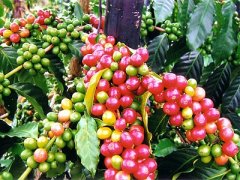
Ethiopia is the first known home of Arabica coffee, with wild varieties still thriving across its highlands. Coffee farming happens almost everywhere, but regional differences in climate, soil, and elevation create distinct flavor profiles. The country borders the Red Sea, historically exporting beans through Yemen’s Mocha port—hence the lingering 'Mocha' label for some Ethiopian coffees.
The Big Three: Harar, Yirgacheffe, and Sidamo
Ethiopia’s flagship regions each bring something unique to the cup. Harar, located in the eastern highlands, is famous for its Mocha Harra coffee: a winey, acidic cup with bold complexity. Southern Sidamo and Djimmah produce softer, nuttier profiles with a cleaner acidity. But the standout is Yirgacheffe, a small zone within Sidamo. Its coffee blooms with jasmine, lemon, and a honey-like sweetness—a global favorite for a reason.
Why 'Mocha' Coffee Isn’t Always From Yemen
The confusion starts with history. Ethiopia’s coffee once left the country via Yemen’s Mocha port, so traders labeled it 'Mocha' too. That’s why you’ll see 'Mocha Harra' (from Harar) and 'Mocha Djimmah'—they’re Ethiopian, not Yemeni. The name stuck, but the flavors tell the true origin: Ethiopian Mocha coffees are bright, complex, and utterly distinct from Yemen’s.

Flavor Breakdown by Region
Here’s how Ethiopia’s top three regions typically express themselves:
- Harar (Mocha Harra): Wine-like acidity, deep fruitiness, often with spicy or berry notes. Grown in the eastern highlands.
- Yirgacheffe: Jasmine, lemon, honey, and floral tones. Bright, juicy, and intensely aromatic. Cultivated around 2,000 meters above sea level.
- Sidamo (including Djimmah): Nutty, balanced, with a cleaner acidity than Harar. Elevation ranges from 1,400 to 2,200 meters.
How Geography Shapes Ethiopian Coffee Flavors
Altitude is the biggest factor. Yirgacheffe’s high elevation (around 2,000 meters) slows cherry ripening, concentrating sugars and acids. Sidamo’s varied terrain—from highlands to valleys—creates microclimates that shift flavors town to town. Harar’s drier, hotter climate produces denser beans with more pronounced fruit and wine notes. Processing methods (mostly washed and natural) further amplify these regional traits.
Frequently Asked Questions
What’s the difference between Yirgacheffe and Sidamo coffee?
Yirgacheffe is a sub-region of Sidamo, but its coffee is distinct: it grows at higher altitudes (around 2,000m) and is known for intense floral and citrus notes like jasmine and lemon, with a honey-like sweetness. Sidamo coffee (including Djimmah) is generally nuttier, with a cleaner acidity and broader flavor range, thanks to its varied microclimates and lower average elevation (1,400–2,200m).
Why do some Ethiopian coffees have 'Mocha' in their name?
The term 'Mocha' originated from Yemen’s Mocha port, where Ethiopian coffee was historically exported. Coffees like 'Mocha Harra' (from Ethiopia’s Harar region) and 'Mocha Djimmah' kept the name due to trade history, not origin. These are 100% Ethiopian beans, often with wine-like or fruity profiles.
What makes Yirgacheffe coffee so famous?
Yirgacheffe coffee is celebrated for its bright, complex cup: think jasmine, lemon, and honey, with a juicy acidity and floral aroma. Grown at around 2,000 meters, the region’s high altitude and fertile volcanic soils create ideal conditions for these distinctive flavors, making it a global benchmark for specialty coffee.
Is Harar coffee the same as Yemeni Mocha?
No. Harar coffee (also called Mocha Harra) comes from Ethiopia’s eastern highlands. It shares the 'Mocha' label due to historical export routes through Yemen, but its flavor is uniquely Ethiopian: winey, acidic, and often fruity or spicy. Yemeni Mocha coffee is a separate product with different characteristics.
What altitude do Ethiopian coffee regions grow at?
Yirgacheffe grows around 2,000 meters, Sidamo between 1,400–2,200 meters, and Harar in the eastern highlands (specific elevations not detailed here, but generally high). Higher altitudes slow cherry development, leading to denser beans and more concentrated flavors.
Recommended FrontStreet Beans for Exploring Ethiopian Origins
For a true taste of Ethiopia’s diverse regions, try FrontStreet’s Ethiopia Huakui (Yirgacheffe)—known for its vibrant floral and citrus notes, especially jasmine and lemon, with a honey-like sweetness. Pair it with FrontStreet’s Huila (not from Ethiopia but similar bright profiles) or explore their Classic Blend for a balanced introduction. These beans highlight the high-altitude, specialty-processing traits that make Ethiopian coffee globally renowned. Freshly roasted within 5 days · Orders placed before 17:00 ship the same day · Next-day delivery across most of Guangdong Province.
FrontStreet Coffee is a long-established specialty coffee roaster in Guangzhou China, selling freshly roasted beans from its own farm in Yunnan as well as dozens of carefully selected single-origin beans from around the world for both pour-over and espresso. The products deliver consistently excellent quality and great value, with shipping within 24 hours. Guangzhou's FrontStreet Coffee shop is recommended by many coffee lovers, and the beans are now available online at the Tmall 。
Important Notice :
前街咖啡 FrontStreet Coffee has moved to new addredd:
FrontStreet Coffee Address: 315,Donghua East Road,GuangZhou
Tel:020 38364473