
Specialty Coffee Beans
Latest articles, industry insights and brewing guides
What Makes Ethiopian Yirgacheffe Coffee Unique
Yirgacheffe coffee offers bright citrus, floral aromas, and a tea-like body. Learn why this Ethiopian region is famous for its delicate washed arabica beans.
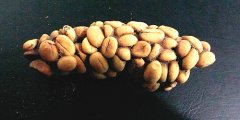
What Is Kopi Luwak Coffee and Why Is It So Expensive?
Kopi Luwak, or civet coffee, is made from beans eaten and excreted by civets. It’s rare, costly, and controversial—here’s the full story.

What Is Jamaica Blue Mountain Coffee?
Learn what makes Jamaica Blue Mountain coffee rare, balanced, and expensive—with flavor notes, production facts, and grade details.

What Is Mandheling Coffee? The Truth About Sumatra’s Mandheling
Learn why ‘Mandheling’ coffee is misnamed, where true Sumatra Mandheling comes from, and how processing shapes its herbal, earthy profile.

Yunnan Coffee Benefits and Drinking Precautions
Learn the benefits of Yunnan coffee and how much to drink safely, including daily caffeine limits and health tips.

What Makes Guatemalan Coffee Beans Special?
Explore why Guatemalan coffee stands out, from its volcanic soil to seven distinct regions — and what makes Antigua beans especially prized.

Cuban Crystal Mountain Coffee: What Makes It Special?
Discover Cuban Crystal Mountain coffee’s bright green beans, hand-harvested processing, and clean island-style profile. Learn why it rivals Jamaican Blue Mountain.

What Is Java Coffee? Flavor Profile & History Explained
Learn the origins, flavor traits, and history of Java coffee from Indonesia’s Java Island, including its past as a key player in aged and blended coffees.
Are Expired Arabica Coffee Beans Safe to Eat?
Eating expired Arabica coffee beans depends on mold or insect damage. Moldy or infested beans can be harmful—best avoid them.

What Makes Ethiopian Yirgacheffe Coffee Unique?
Discover the bright, citrusy flavors and unique processing methods behind Ethiopia’s famous Yirgacheffe coffee, grown at high altitudes.

How to Brew Delicious Arabica Coffee Beans at Home
Learn how to brew tasty Arabica coffee with the right beans, equipment, and techniques for a flavorful pour-over experience.

What Is Geisha Coffee? Origin, Flavor & Roast Profile
Geisha coffee comes from Ethiopia’s Gesha forest and gained fame in Panama. Learn its flavor traits, ideal roast level, and where it originated.

How to Grind Arabica Coffee Beans: Manual vs Machine Methods
Learn the pros and cons of manual and machine grinding for Arabica coffee, including ideal grind sizes and equipment types for home use.

What Are the Health Benefits of Arabica Coffee Beans?
Arabica coffee boosts alertness, lifts mood, aids digestion, helps prevent gallstones, and may even protect against radiation—here’s the science.

What Nutrients Are in Arabica Coffee Beans?
Arabica beans offer far more nutrition than instant coffee. Discover what's really inside your cup — from caffeine to antioxidants.

What Makes Costa Rican Coffee So Special?
Learn why high-altitude Costa Rican coffee is known for its bright acidity, balanced sweetness, and premium processing — especially from the Tarrazú region.
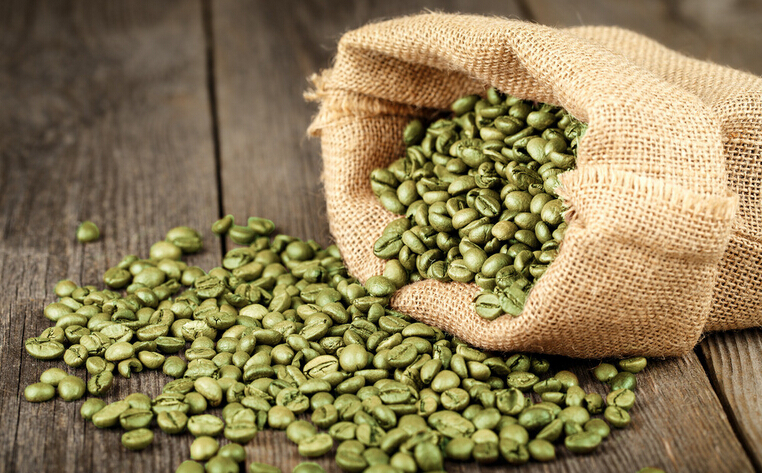
What Is Arabica Coffee Bean? Key Facts Explained
Arabica coffee beans make up 70–80% of global production. Discover their origin, flavor profile, vulnerabilities, and how they’re turned into coffee.

Vietnam Coffee Beans and the Unique Taste of G7 Instant Coffee
Explore Vietnam’s coffee regions, traditional drinks, and how G7 became a distinct instant coffee with bold creaminess and smooth caffeine.

What Makes Jamaican Blue Mountain Coffee So Special?
Jamaica Blue Mountain coffee offers rare balance and elegance due to its high elevation, volcanic soil, and limited production—here’s why it’s so revered.

Arabica Coffee Varieties Grown in China
Learn how China grows aromatic Arabica coffee in high-altitude regions like Sichuan and Yunnan, and why its unique climate shapes the flavor.