
Specialty Coffee Beans
Latest articles, industry insights and brewing guides
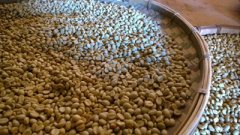
Why Baoshan Yunnan Arabica Coffee Tastes So Good
Baoshan Yunnan Arabica, a national GI product, rivals Jamaican Blue Mountain. Learn why its terroir creates such a refined cup.
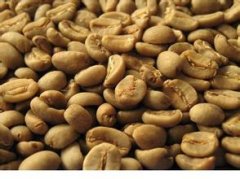
What Makes Hawaiian Kona Coffee So Special?
Learn why authentic Kona coffee is rare, expensive, and uniquely smooth—grown only on Hawaii’s volcanic slopes under strict standards.
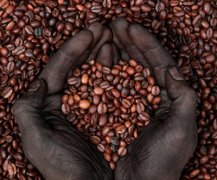
What Makes Tanzanian Coffee Unique? Flavor & Profile Guide
Tanzanian coffee offers bright acidity, floral notes, and a medium roast preference. Learn its origin, flavor profile, and market role.
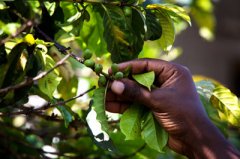
What Makes Rwandan Coffee Unique in Flavor?
Rwandan coffee features bright acidity, fruity sweetness, and clean profiles, largely thanks to high-altitude Bourbon varieties and careful washed processing.

What Makes Salvadoran Coffee Unique? Flavor & Roast Guide
Salvadoran coffee is known for its balanced, aromatic profile with mild acidity. Learn its flavor traits, ideal roast levels, and production history.

What Makes Antigua Guatemalan Coffee So Distinctive?
Discover the bold, smoky-sweet flavor of Guatemalan Antigua coffee, grown in volcanic soil with cool nights and bright sun.
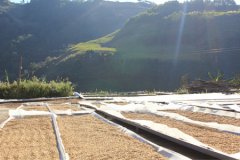
What Is Jamaica Blue Mountain Coffee?
Learn what makes Jamaica Blue Mountain coffee unique, including its flavor, strict certification, and why it’s among the world’s most sought-after beans.
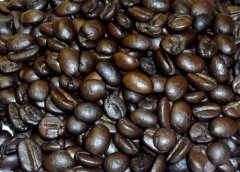
Indonesian Mandheling Specialty Coffee: What Makes It Unique?
Explore Indonesia’s signature Mandheling coffee, its terroir, processing methods, and what sets beans like PWN Golden Mandheling apart.
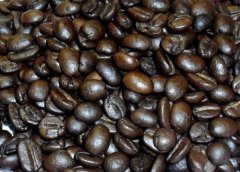
What Makes Mandheling Coffee Unique?
Mandheling coffee comes from Sumatra, Indonesia, known for bold body, low acidity, and rich earthy tones—often dark roasted. Learn why it's loved solo or in blends.
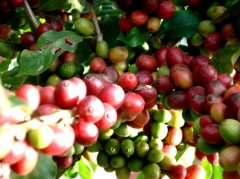
What Makes Colombian Coffee Special?
Colombian coffee is known for its balanced flavor, aromatic sweetness, and versatility in blends—find out what sets it apart.
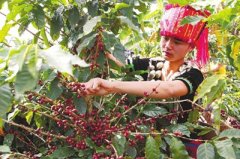
What Is Yunnan Coffee? China’s Specialty Bean Story
Yunnan produces 83% of China’s coffee on 70% of its land. Discover its key varieties, history, and why its beans taste like fruit and chocolate.

What Makes Ethiopian Yirgacheffe Coffee So Special?
Discover the bright, floral profile of Yirgacheffe coffee, its unique processing origins, and why it’s a favorite among specialty coffee lovers.
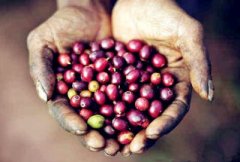
What Is Hawaiian Kona Coffee? Flavor & Facts
Learn what makes Kona coffee unique: family-grown on Hawaii’s volcanic slopes, medium-bodied with mild acidity and notes of nuts and fruit.

Vietnam Specialty Coffee: What Makes It Unique?
Explore Vietnam’s growing specialty coffee scene, from robust Robusta to creamy arabica-style blends like G7 and highland-origin single origins.
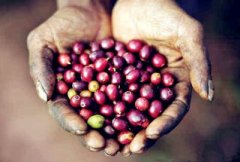
Java and Sumatra Coffee: Origins, Flavors, and History
Learn why Java and Sumatra coffees became legendary, how they differ today, and why Indonesia’s coffee story is defined by disease and adaptation.
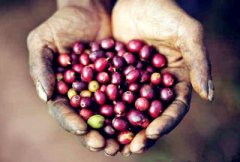
How Colombian Coffee Is Graded by Size, Region, and Defects
Colombian coffee grades depend on defect counts, bean size, harvest region, and legal standards. Here’s how Specialty, AA, and Supremo grades are defined.
What Makes Java Coffee Unique? Indonesia's Historic Bean
Java coffee was once Arabica-dominated until the 1970s. Learn why it changed, how Djampit stands out, and what gives Indonesian coffee its thick, syrupy profile.

Jamaica Blue Mountain Coffee Grades Explained
Learn how Jamaica Blue Mountain coffee is graded, what makes No.1 the top tier, and how to spot the real deal.
Jamaica Blue Mountain Coffee Export Quotas Explained
Learn why China consumes 15% of global Blue Mountain No.1 despite limited quotas, and how export rules have shifted since 2005.
What Is Real Jamaican Blue Mountain Coffee?
Only 90 tons of certified Blue Mountain coffee are exported yearly. Learn what makes it rare, how to spot the real thing, and why it’s so prized.