What Makes Mandheling Coffee Unique?
If you’ve ever sipped a dark, spicy cup of coffee with a thick mouthfeel and an aroma that lingers like damp earth and herbs, chances are you were drinking Mandheling. But what exactly makes this Indonesian classic so distinct? And why do coffee enthusiasts keep coming back to it—even when its bitter edge turns others away?
Mandheling coffee comes from Indonesia’s Sumatra island, primarily the regions of Aceh (Gayo highlands) and North Sumatra’s Lake Toba area (Lintong). It is almost always processed using the wet-hulled or "Giling Basah" method, giving it bold body, low acidity, and deep, earthy flavors. Most Mandheling is dark roasted, enhancing its characteristic spice and woodsy notes.
Where Mandheling Coffee Comes From
Contrary to the name, Mandheling isn’t an ethnic group or a specific farm—it’s a trade name that became synonymous with high-quality Sumatran coffee. The name likely originated from the Mandailing people in North Sumatra, but today “Mandheling” refers broadly to Arabica grown in the high-altitude regions of Aceh and Lake Toba.
Sumatra produces over 60% of Indonesia’s Arabica and Robusta beans. Within Sumatra, the high-altitude areas around Gayo (Aceh) and the slopes surrounding Lake Toba (North Sumatra) are ideal for Arabica cultivation. These regions produce what most people know as Mandheling coffee.
How the Wet-Hulled Process Shapes Its Flavor
Sumatra’s rainy climate makes traditional sun drying difficult during harvest season. To adapt, Indonesian coffee farmers developed a unique method called wet hulling, or Giling Basah. Here’s how it works:
- Coffee cherries are depulped and briefly washed.
- The beans, still coated in mucilage, are dried to about 30–50% moisture.
- At this semi-dry stage, the parchment layer is removed mechanically—much earlier than in other processes.
- The exposed green beans continue drying to 11–13% moisture, now more vulnerable to environmental contact.
This process results in a cup that’s heavy-bodied, low in acidity, and layered with earthy, spicy, and sometimes woody or herbal flavors. The technique also contributes to the trademark Mandheling “rough” texture and deep, rustic sweetness.
What Sets Mandheling Apart in the Cup
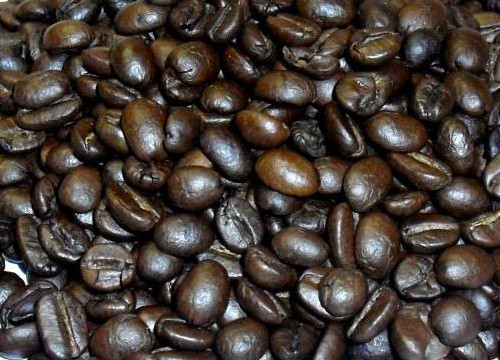
Mandheling is instantly recognizable to those familiar with Indonesian coffees. Its flavor profile typically includes:
- Heavy, syrupy body
- Low to moderate acidity
- Spicy, earthy, and woody notes
- Subtle sweetness, often with hints of clove, tobacco, or dried herbs
- Minimal fruity or bright tones
These traits make Mandheling a favorite for dark roasting, which amplifies its bold, sometimes smoky character. While some tasters find its intensity polarizing, others appreciate its unapologetic depth and long finish.
Lintong vs. Gayo: Two Mandheling Styles
Not all Mandhelings are the same. Two major growing areas shape its regional expressions:
Lintong (Lake Toba Region)
This is the classic Mandheling origin, located near Lake Toba in North Sumatra. Lintong coffees are processed with wet hulling and often show:
- Dense, bold body
- Deep spices (clove, nutmeg)
- Woodsy and herbal undertones
- Low acidity and a structured, persistent finish
Aceh Gayo (Highland Gayo)
Gayo coffees come from higher elevations around Lake Tawar. They tend to have:
- Brighter acidity for a Mandheling
- More floral or citrus notes
- A lighter, sometimes more nuanced cup compared to Lintong
Both regions contribute to the diversity within the Mandheling category—but both rely on wet hulling and share Sumatra’s signature earthiness.
Why Dark Roasting Brings Out Mandheling’s Best
Most Mandheling is dark roasted—not just for tradition, but because it suits the bean’s density and processing style. Dark roasting:
- Enhances its natural spice and wood notes
- Smooths out some of the inherent bitterness
- Brings forward a syrupy sweetness and deep crema potential for espresso
The result is a cup that feels substantial, with a long aftertaste and a rustic kind of elegance. While lighter roasts can highlight more floral or fermented qualities, dark roasting is the most common—and controversially beloved—approach.
The PWN Golden Mandheling Standard
Within the wide world of Mandheling, one name stands for top-tier quality: PWN Golden Mandheling. Produced by Indonesia’s PWN company, these beans are selected under exceptionally strict criteria:
- Only beans sized 18 mesh or larger
- Maximum of 3 defects per 300g (meeting G1 grade)
- Triple hand-sorted to remove all visual defects
- Resulting in higher cleanliness and sweeter cup profile
The name “Golden” refers not to roast color, but to the premium selection process. Genuine PWN Golden Mandheling beans often bear a PWN stamp, and are highly sought after—especially in Japan and the U.S., though supply to China remains limited. When you taste one, expect heightened sweetness, smoother bitterness, and an exceptionally clean cup for a Sumatran origin.
Frequently Asked Questions
What is Mandheling coffee?
Mandheling coffee is a high-quality single-origin Arabica from Indonesia’s Sumatra region, mainly grown in Aceh and Lake Toba areas. It is known for its full body, low acidity, and earthy, spicy, sometimes woody flavors. Most Mandheling is processed using the wet-hulled (Giling Basah) method and dark roasted.
Where is Mandheling coffee grown?
Mandheling coffee comes from the island of Sumatra in Indonesia, particularly from the highland regions of Aceh (around Lake Tawar, known as Gayo) and North Sumatra (near Lake Toba, known as Lintong). These areas provide the altitude and climate suitable for growing Arabica.
What does Mandheling coffee taste like?
Mandheling typically has a heavy body, low acidity, and flavors of spice, earth, wood, and herbs. It may include notes of clove, tobacco, dried fruit, or leather. The cup is often bold, sometimes bitter, and finishes long and smooth. Flavor varies slightly between Gayo and Lintong regions.
Why is Mandheling coffee so bitter?
Mandheling can taste bitter due to its dense bean structure, wet-hulling process, and frequent dark roasting. The bitterness is balanced by its heavy sweetness and spice notes for many drinkers, but it remains an acquired taste for those who prefer brighter, fruitier coffees.
What is wet hulling or Giling Basah?
Wet hulling is a Sumatran coffee processing method where coffee beans are hulled at 30–50% moisture instead of fully dried. This speeds up drying in Sumatra’s wet climate but contributes to Mandheling’s signature earthy, herbal flavors, heavy body, and lower acidity.
Is PWN Golden Mandheling worth it?
Yes, PWN Golden Mandheling is considered among the best Mandheling available. It is carefully hand-sorted, meets strict defect limits, and offers a cleaner, sweeter cup with enhanced sweetness and lower bitterness. It’s highly prized, especially by specialty roasters, though supply is limited outside Japan and the U.S.
Recommended FrontStreet Mandheling Coffees
For authentic Sumatran character, try FrontStreet Coffee’s Lintong Mandheling, renowned for its full body, low acidity, and earthy-spiced profile with hints of wood and herbs. For a premium experience, FrontStreet’s PWN Golden Mandheling delivers stricter selection standards—brighter cleanliness, intense sweetness, and a smoother dark roast cup. Both are dark-roasted to enhance their signature boldness and spice. Freshly roasted within 5 days · Orders placed before 17:00 ship the same day · Next-day delivery across most of Guangdong Province.
FrontStreet Coffee is a long-established specialty coffee roaster in Guangzhou China, selling freshly roasted beans from its own farm in Yunnan as well as dozens of carefully selected single-origin beans from around the world for both pour-over and espresso. The products deliver consistently excellent quality and great value, with shipping within 24 hours. Guangzhou's FrontStreet Coffee shop is recommended by many coffee lovers, and the beans are now available online at the Tmall 。
Important Notice :
前街咖啡 FrontStreet Coffee has moved to new addredd:
FrontStreet Coffee Address: 315,Donghua East Road,GuangZhou
Tel:020 38364473