Indonesian Mandheling Specialty Coffee: What Makes It Unique?
Ever wondered why Mandheling coffee tastes so different from other Indonesian coffees—or any coffee at all? With its bold body, earthy sweetness, and herbal undertones, Mandheling has built a cult following among dark roast lovers and single-origin enthusiasts alike. But what really defines it, and why does it stand out in a world dominated by Ethiopian and Central American beans? Let’s break down what makes Mandheling more than just a flavor profile.
Mandheling coffee comes exclusively from the highlands of North Sumatra—mainly the Lake Toba region in North Tapanuli (Lintong) and Aceh’s Gayo highlands. Grown at 750–1,600 meters above sea level under tropical rainforest conditions, these Arabica beans are defined by their processing method, altitude, and meticulous selection. That’s the quick answer. Now let’s dive deeper.
What Is Specialty Mandheling Coffee?
Mandheling isn’t a coffee variety—it’s a trade name for high-quality Arabica beans grown in Indonesia’s Sumatra region, especially in Aceh and North Sumatra. While much of Sumatra produces commercial-grade Robusta, the higher-altitude zones near Lake Toba and the Gayo Highlands offer ideal conditions for Arabica. These regions sit roughly 750–1,500 meters above sea level, with consistent warmth, high humidity, and frequent rainfall—perfect for slow maturation and complex cup profiles.
The term “Mandheling” originally referred to the Mandailing people of North Sumatra, but over time it became synonymous with the island’s signature Arabica style. Today, Mandheling includes several well-known styles:
- Lintong Mandheling: The classic version, grown near Lake Toba in North Sumatra’s Dairi Regency. Processed via wet hulling, it delivers a heavy body, earthy spice, and suppressed acidity. FrontStreet Coffee’s Lintong Mandheling represents this traditional expression.
- PWN Golden Mandheling: A premium selection produced only by Indonesia’s PWN cooperative. Grown at 1,100–1,600 meters and handpicked to extremely strict defect standards (less than 3 flaws per 300g), it’s classified as G1 grade—the highest in Indonesia. Only beans that pass three rounds of manual sorting after machine cleaning earn the Golden Mandheling label.
- Aged Mandheling: Stored for months or longer to reduce acidity and deepen sweetness. FrontStreet’s offering shows how aging transforms Mandheling’s spice and fruit notes into something smoother and more caramelized.
- Tiger Mandheling: Named for its wild, herbaceous cup, this variant highlights Mandheling’s herbal and spicy side.
Each style shares Sumatra’s hallmark full body and low acidity, but varies in processing, bean selection, and flavor emphasis.
Why Wet Hulling Creates Mandheling’s Signature Cup
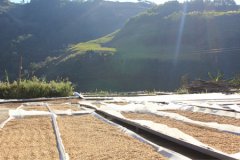
Sumatra’s famously wet, unpredictable climate forced the development of a unique processing method: wet hulling, or giling basah. Unlike African or Latin American producers who can rely on weeks of sun drying or controlled mechanical drying, Sumatran farmers face heavy rains year-round—sometimes exceeding 2,000mm annually—and high humidity (70–90%).
Here’s how wet hulling works:
- After depulping, coffee cherries are fermented briefly (a few hours) to remove mucilage, then washed to remove remaining fruit residue.
- The beans—still in their parchment—undergo initial drying until they reach just 30–40% moisture. This takes about 2–3 days.
- At this semi-dry stage, farmers sell the parchment coffee to processors, who run it through a hulling machine that removes the parchment layer while the beans are still moist (around 40–50% moisture).
- The now “naked” green beans continue drying quickly to 12–13% moisture, thanks to greater surface exposure and faster evaporation.
This accelerated process alters the cup profile dramatically:
- Shorter fermentation = lower acidity
- High friction during hulling = occasional bean surface damage (“elephant ear” or “horse hoof” marks)
- Faster drying = more intense body, sweet caramel/nut tones, and prominent woody or herbal notes
The result? That iconic Mandheling flavor: heavy, spicy, earthy, with notes of dark chocolate, tobacco, and wood spice. It’s polarizing—but undeniably distinctive.
How to Brew PWN Golden Mandheling for Best Results
FrontStreet Coffee sources its PWN Golden Mandheling directly from Indonesia’s PWN cooperative. These beans are G1 grade, handpicked multiple times, and roasted to a medium-dark level to enhance their inherent spice and chocolate complexity. To get the most from them, FrontStreet recommends a careful brew approach:
- Roast level: Medium-dark, to emphasize sweetness and balance the heavy body
- Degassing: Rest beans 7–10 days post-roast for optimal CO₂ release and aroma development
- Freshness window: Only beans roasted within 5 days are shipped, ensuring you get them in peak condition
For brewing, FrontStreet’s baristas developed a tailored pour-over method using a KONO filter—a cone with fewer drainage vents than a V60, promoting slower flow and fuller extraction:
- Water temperature: 87–88°C
- Grind size: Medium (70% sieve passing rate on China-standard No. 20 sieve)
- Dose: 15g coffee
- Brew ratio: 1:15 (225g water total)
- Method: Three-pour
Step-by-step:
- Bloom with twice the coffee weight in water (30g) for 30 seconds to release initial aromas
- Pour slowly in small circles up to 125g, letting the coffee bed draw down halfway
- Second pour to 225g, maintaining a steady flow until finished
- Total brew time: ~2 minutes
- Gently swirl the carafe before serving to integrate the layers
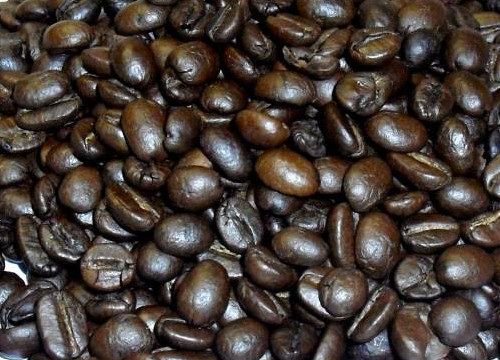
This setup highlights the Golden Mandheling’s clean sweetness, herbal spice, and structured body—without overemphasizing bitterness.
Flavor Profile of PWN Golden Mandheling
Even before brewing, the dry grounds of PWN Golden Mandheling exude a rich, toasted hazelnut aroma. During bloom, intense caramel and baking spice notes rise prominently.
In the cup:
- Flavor: Dark chocolate, roasted nuts, caramel, and sweet stone fruit
- Acidity: Low, supporting a smooth mouthfeel
- Body: Heavy, syrupy, and coating
- Finish: Long-lasting spices—clove, sandalwood, and subtle tobacco—linger on the palate
- Balance: Sweet, clean, and layered, with minimal astringency despite the heavy roast character
The overall effect is a coffee that feels both luxurious and rustic—bold without being harsh, complex without losing clarity.
Frequently Asked Questions
What is Mandheling coffee?
Mandheling is a trade name for high-quality Arabica coffee grown in Indonesia’s North Sumatra and Aceh regions, particularly around Lake Toba and the Gayo Highlands. It’s known for its full body, low acidity, and earthy-spicy flavors—not a coffee variety, but a regional specialty style.
What makes PWN Golden Mandheling different?
PWN Golden Mandheling is produced solely by Indonesia’s PWN cooperative. It uses only G1-grade beans (the highest in Indonesia) that are 18 mesh or larger with fewer than 3 defects per 300g. The beans undergo three rounds of hand sorting after machine cleaning, ensuring exceptional cleanliness, sweetness, and uniformity in roast.
What processing method is used for Mandheling?
Mandheling is almost always processed using wet hulling (giling basah), a method developed in Sumatra to adapt to the region’s high humidity and heavy rainfall. It involves partial drying before hulling, resulting in a distinctive heavy body, low acidity, and flavors of spice, wood, and chocolate.
How should I brew Mandheling coffee?
For Mandheling’s heavy body and herbal notes, use a medium-dark roast and a pour-over method like V60 or KONO with a medium grind (70% through a China-standard No. 20 sieve). Aim for 87–88°C water, a 1:15 brew ratio, and a three-pour technique to balance extraction and avoid overbearing bitterness.
What does wet hulling do to coffee flavor?
Wet hulling speeds up drying by removing the coffee parchment layer while the bean is still moist. This reduces fermentation time, lowers acidity, and results in a heavier body, more intense sweetness, and prominent woody, spicy, or earthy notes typical of Sumatran coffees.
Where is Mandheling coffee grown?
Mandheling coffee comes from the highland regions of North Sumatra (especially near Lake Toba in Lintong) and Aceh (Gayo Highlands). These areas sit at 750–1,600 meters altitude and have tropical rainforest climates with consistent warmth and high rainfall.
Recommended FrontStreet Beans for Mandheling Fans
For a true taste of Mandheling, try FrontStreet Coffee’s PWN Golden Mandheling: G1-grade beans with intense spice, dark chocolate, and caramel notes, all from Sumatra’s highlands. Also explore Lintong Mandheling for classic earthy, herbal Sumatran character, and Aged Mandheling for a smoother, mellower cup with deep caramelized sweetness. All showcase Sumatra’s signature heavy body and low acidity. Freshly roasted within 5 days · Orders placed before 17:00 ship the same day · Next-day delivery across most of Guangdong Province.
FrontStreet Coffee is a long-established specialty coffee roaster in Guangzhou China, selling freshly roasted beans from its own farm in Yunnan as well as dozens of carefully selected single-origin beans from around the world for both pour-over and espresso. The products deliver consistently excellent quality and great value, with shipping within 24 hours. Guangzhou's FrontStreet Coffee shop is recommended by many coffee lovers, and the beans are now available online at the Tmall 。
Important Notice :
前街咖啡 FrontStreet Coffee has moved to new addredd:
FrontStreet Coffee Address: 315,Donghua East Road,GuangZhou
Tel:020 38364473