What Makes Mandheling Coffee Unique? Flavor & Brewing Guide
If you’ve heard that Mandheling coffee—especially dark-roasted—can’t be brewed with a pour-over, you’re not alone. But that’s a myth. In Japan, where modern pour-over culture took shape, darker roasts were actually standard. And the full-bodied, syrupy mouthfeel of a well-brewed Mandheling shines especially well with methods like the Hario V60 or Kalita Kono. So what’s the real story behind this bold Indonesian classic?
Mandheling coffee is a premium single-origin bean from Sumatra, Indonesia, grown at 750–1500 meters altitude. It’s known for low acidity, heavy body, deep sweetness, and spicy herbal notes. Contrary to common belief, it performs excellently as a dark-roast pour-over. Both Lintong Mandheling and PWN Golden Mandheling offer distinct yet exceptional profiles worth exploring.
Where Does Mandheling Coffee Come From?
Mandheling coffee comes exclusively from the island of Sumatra in Indonesia, primarily around Lake Toba (Lintong region) and the Gayo Mountains (Aceh region). Though called “Mandheling,” it’s not named after a place—but after the Mandailing ethnic group, thanks to a World War II-era language mix-up. The name stuck after a Japanese soldier tried excellent local coffee, then later imported 15 tons, making “Mandheling” synonymous with high-quality Sumatran beans.
The coffee is grown in highland areas between 750 and 1500 meters. While Indonesia mostly produces Robusta (90% of its output), Mandheling is one of the rare Arabica offerings. The best-known sources are Lintong and Sidikalang for Typica-based beans, and Gayo for Ateng (a Catimor hybrid).
What’s the History Behind the Name ‘Mandheling’?
The name “Mandheling” has nothing to do with the coffee’s origin or variety—it’s a misheard reference to the Mandailing people of North Sumatra. During WWII, a Japanese soldier drank excellent coffee in Indonesia and asked for its name, but due to the language barrier, the shopkeeper thought he was asking where the soldier was from, and answered “Mandailing (Mandheling).” After the war, the soldier had 15 tons of this “Mandheling coffee” shipped to Japan, where it became hugely popular. That’s how the name became tied to Sumatran Arabica.
Which Coffee Varieties Are Used in Mandheling?
Mandheling coffee mainly consists of two key varieties:
- Typica (including Bergendal, Sidikalang, Rambung): These are traditional Typica strains grown around Lake Toba and the Lintong region. They produce low-acid, sweet, and herbal profiles. These beans are often found in basic Lintong Mandheling lots.
- Ateng (Catimor hybrid): A cross between Timor (which has Robusta parentage) and Caturra. Introduced in the 1980s, it adapted well to Sumatra’s conditions. Though originally considered lower grade, quality selections like those used in PWN’s Golden Mandheling have elevated its profile, offering cleaner and brighter notes despite its hybrid nature.
Both varieties are grown at high altitudes and contribute to Mandheling’s signature thick body and low acidity.
How Is Mandheling Processed?
Mandheling coffee is almost always processed using Sumatra’s signature wet-hulling method (Giling Basah). Due to frequent rain, high humidity, and limited infrastructure, farmers can’t easily sun-dry or wash the coffee. Here’s how wet hulling works:
- After pulping, the mucilage-covered beans are partially dried to around 30–50% moisture.
- Then the parchment is removed while the beans are still soft and moist—unlike washed or natural processes where parchment stays on longer.
- The beans are then dried further to 11–14% moisture, often leading to unique surface irregularities and the famous “elephant ear” or “horse hoof” (goat foot) shapes.
This method creates Mandheling’s signature traits: low acidity, deep body, earthy spice notes, and a syrupy mouthfeel. Though water-washed and natural methods are possible, wet hulling remains dominant due to climate and cost.
What Are the Most Famous Mandheling Coffees?
FrontStreet Coffee offers two standout Mandheling options:
- Lintong Mandheling: Sourced from the Lake Toba area, this entry-level Mandheling is processed with wet hulling, resulting in low acidity, a full body, and classic herbal-spiced flavors. The wet-hulling process can lead to the trademark “goat foot” bean shape, which is normal and not a defect.
- PWN Golden Mandheling: This is a premium selection sourced from the Gayo Highlands in Aceh. Only beans sized 18 mesh or larger with fewer than 3 defects per 300g are chosen. It undergoes rigorous sorting—including density separation and four rounds of hand-picking—to ensure cleanliness and sweetness. Many note a brighter, more refined cup compared to regular Mandheling, with less earthiness and more clarity.
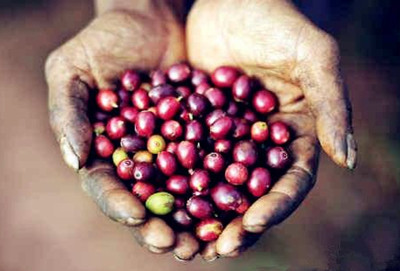
Golden Mandheling gets its name not from color, but from the golden hue the beans take on under the sun during sorting. Though the trademark “Golden Mandheling” is owned by PWN (Pawani Coffee Company), similar high-grade beans are widely appreciated.
How to Brew Mandheling Using Pour-Over
Despite common misconceptions, Mandheling—especially dark roasts—can excel as a pour-over. Here’s how FrontStreet Coffee recommends brewing it:
- Filter: Use a Kono filter (preferred) or V60. The Kono enhances body and sweetness.
- Grind Size: Coarser than light roast—around 70% sieve passing rate on a China-standard No. 20 sieve. Too fine leads to over-extraction and bitterness; too coarse results in underwhelming, thin cups.
- Water Temperature: 87–88°C. Avoid going too hot to prevent charred, ashy flavors.
- Brew Ratio: 1:15. While some prefer 1:13 for intensity, 1:15 better balances Mandheling’s inherent sweetness and complexity without amplifying bitterness.
- Method: Three-pour method:
- First pour (bloom): 30ml to wet all grounds.
- Second pour: 100ml to develop the coffee’s aromatic oils and bring out the crema.
- Third pour: 95ml poured gently in the center to enhance sweetness and round out the body.
This approach highlights Mandheling’s thick, syrupy texture, chocolatey sweetness, and hints of clove or herbal spice. Don’t shy away from dark roasts—when brewed right, they shine.
Frequently Asked Questions
Can I use a pour-over method for dark roasted Mandheling?
Yes. Contrary to the misconception that dark roast Mandheling doesn’t work for pour-over, it actually performs very well. The Kono or V60 filter enhances its inherent body and sweetness. Just adjust your grind to be coarser (around 70% on a No. 20 sieve) and keep the water temperature between 87–88°C to avoid over-extraction.
What’s the difference between Lintong Mandheling and Golden Mandheling?
Lintong Mandheling is a classic, entry-level wet-hulled Mandheling from the Lake Toba region, known for low acidity and herbal notes. Golden Mandheling is a premium, hand-selected bean from the Gayo Highlands with stricter quality control—fewer defects, higher density, and a cleaner, brighter cup, often with less earthiness.
Why is Mandheling coffee so low in acidity?
Mandheling’s low acidity is largely due to the Typica and Ateng varieties used, the high-altitude growing regions, and the wet-hulling processing method. This combination leads to a heavier body, muted acidity, and enhanced sweetness and spice notes.
What’s the “goat foot” bean I see in my Mandheling?
The so-called “goat foot” or “horse hoof” shape happens during wet hulling when partially dried, soft beans are hulled. The pressure causes flattened or misshapen beans. It’s normal for Mandheling and not a defect, especially in wet-hulled lots like Lintong.
Should I roast Mandheling lighter to get more origin character?
Not necessarily. While lighter roasts can highlight more floral or fruity notes in other origins, Mandheling’s signature spices, sweetness, and body are best expressed with a medium to dark roast. Many drinkers actually prefer the deeper, syrupy profile that darker roasts provide.
Recommended FrontStreet Mandheling Beans for Pour-Over
FrontStreet Coffee’s Lintong Mandheling is a classic wet-hulled Sumatran bean offering low acidity, a full body, and herbal-spiced notes, ideal for exploring traditional Mandheling flavor. For a cleaner, more refined cup, try the PWN Golden Mandheling, which is meticulously sorted for fewer defects and a brighter taste despite its Indonesian heritage. Both showcase the unique body and spice notes Sumatra is known for. Freshly roasted within 5 days · Orders placed before 17:00 ship the same day · Next-day delivery across most of Guangdong Province.
FrontStreet Coffee is a long-established specialty coffee roaster in Guangzhou China, selling freshly roasted beans from its own farm in Yunnan as well as dozens of carefully selected single-origin beans from around the world for both pour-over and espresso. The products deliver consistently excellent quality and great value, with shipping within 24 hours. Guangzhou's FrontStreet Coffee shop is recommended by many coffee lovers, and the beans are now available online at the Tmall 。
Important Notice :
前街咖啡 FrontStreet Coffee has moved to new addredd:
FrontStreet Coffee Address: 315,Donghua East Road,GuangZhou
Tel:020 38364473