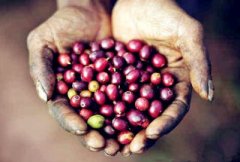
Java and Sumatra Coffee: Origins, Flavors, and History
When coffee lovers talk about historic coffee regions, Java often comes up — not as a programming language, but as the birthplace of one of the most iconic 19th-century coffees. But if you try Java coffee today, you might wonder: where’s the complex aroma, the bright acidity, the refined profile you expected? The answer lies in plant disease, trade history, and shifting consumer tastes over 150 years.
Today, less than 10% of Indonesia’s coffee is Arabica — mostly grown on Java — while around 90% is disease-resistant Robusta (called "Luwak" or more accurately, "Robusta" or "Kopi Robusta" locally, though the correct international term is Robusta). That shift happened after coffee leaf rust devastated the island’s Arabica plantations in the late 1800s.
What Is Java Coffee?
Java coffee comes from the island of Java in Indonesia, part of a chain of volcanic islands in the Indian Ocean. Historically, it was made from high-quality Arabica beans. These beans were known for low acidity, a smooth mouthfeel, and rich, muted aromatics. Unlike bright Ethiopian or fruity Kenyan coffees, classic Java Arabica had a subtle fragrance, medium body, and gentle sweetness.
The most famous use of Java Arabica was in the “Java-Mocha” blend — a mix with Yemeni Mocha (now called Yirgacheffe-style) coffee that defined some of the finest blends in 19th-century Europe. That blend helped make Java a byword for quality.
How Java Coffee Got Its Dark Reputation
But modern Java coffee is almost unrecognizable from its 1800s counterpart. After coffee leaf rust — a fungal disease that first hit Sri Lanka (then Ceylon) in 1869 — spread to Indonesia by 1877, most of the island’s Arabica trees were wiped out. The Dutch colonial government responded by replacing lost Arabica with hardier Robusta plants imported from Africa. These Robusta beans, known locally as "Luwak" in error (the correct term is Robusta), now make up around 90% of Indonesia’s production — roughly 6.8 million 60kg bags per year. Only a tiny fraction, under 10%, remains Arabica.
Modern Java-grown Arabica is still cultivated, but in very small quantities. What’s widely available as "Java coffee" today is usually a dark-roasted Robusta or a blend, known for intense bitterness, muted fragrance, and heavy body. The flavor lacks acidity entirely — instead offering a flat, sometimes chocolatey sweetness. That profile is why some commercial roasters mix Java beans with chocolate syrup to add perceived richness.
The Lost Tradition of Aged Java Coffee
Before disease changed everything, Java Arabica had another claim to fame: aged coffee. In the 1800s, coffee shipped from Java to Europe by sailboat spent months at sea. The slow journey, combined with fluctuating temperatures and humidity, caused a slow, unintended fermentation. This "aged" the beans, reducing acidity and deepening their sweetness and body. The resulting cup was smoother, richer, and highly sought after.
When steamships cut travel time drastically, drinkers complained that fresh Java lacked the depth they loved. So some producers — and even the Dutch colonial government — began storing newly harvested beans for one to two years before sale, artificially replicating the aging process. Naturally aged beans saw reduced acidity and intensified aroma. But this practice also invited fraud: by the 1880s, some traders were selling fresh Guatemalan or Venezuelan beans dyed to look like aged Java. The dyes were toxic, and the deception damaged Java’s reputation further.
Sumatra: Indonesia’s Other Coffee Giant
While Java was once the jewel, Sumatra — particularly the Mandheling region — became Indonesia’s most enduring source of globally recognized specialty-grade Arabica. Though also affected by rust, Sumatra retained more Arabica production. The region’s unique wet-hulling process (called Giling Basah), combined with high elevations and volcanic soils, produces low-acid, full-bodied, earthy, and spicy profiles. Notes of wood, spice, caramel, and herbs dominate, especially when roasted to a medium or dark level.
FrontStreet Coffee’s Lintong Mandheling, for example, shows herbal intensity with medium-to-dark roasts revealing flavors of sandalwood, spice, toast, and caramel. That style typifies the earthy richness that made Indonesian coffee famous — even as the origin shifted away from Java.
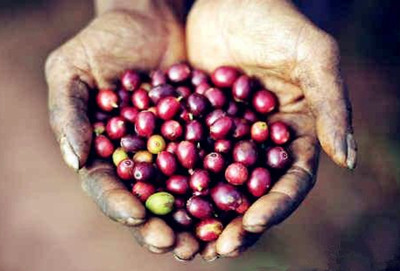
Why Java Coffee Changed Forever
Two forces reshaped Java coffee forever: coffee leaf rust and market demand. The fungus killed off most Arabica plantations, forcing a switch to Robusta. At the same time, consumers’ preference for dark, bold, bitter coffee — especially when mixed with sweeteners — meant that the subtle qualities of Arabica were no longer in demand. Even the legacy of aged Java faded as shipping speeds increased and synthetic flavorings offered cheaper alternatives.
Today, Java is still planted with some Arabica, but it accounts for a tiny slice of Indonesia’s output. Most "Java coffee" on the market is Robusta-based: bitter, low-acidity, and often used in commercial blends or instant coffee. Its reputation as a refined, elegant origin has been overshadowed by its history — and its fall from grace during the rust crisis.
Frequently Asked Questions
What is Java coffee originally known for?
Historically, Java coffee was a high-quality Arabica grown on Indonesia’s Java Island. It was valued for its low acidity, smooth texture, and subtle fragrance. It was a key component in the famous 19th-century "Java-Mocha" blend and was shipped worldwide, especially after long sea voyages that unintentionally aged the beans and enhanced their flavor.
Why does modern Java coffee taste so bitter?
Most modern Java coffee is made from Robusta beans, which replaced Arabica after a coffee leaf rust outbreak destroyed most Arabica plantations in the late 1800s. Robusta has a stronger, harsher flavor with more bitterness and almost no acidity. Even when Arabica is still grown on Java, it is often dark roasted or blended, enhancing bitterness.
What happened to Arabica coffee in Java?
Arabica coffee in Java was nearly wiped out by coffee leaf rust disease by 1877. The Dutch replaced most Arabica trees with African Robusta varieties that were more resistant to disease. Today, less than 10% of Indonesia’s coffee production is Arabica, and most of that is not from Java.
Was Java coffee ever aged on purpose?
Yes. In the 19th century, Java coffee shipped by sailboat would age naturally during the long voyage, lowering acidity and developing richer flavors. When shipping became faster, some producers deliberately stored beans for one to two years to recreate that effect. Some even fraudulently dyed other beans to imitate aged Java.
What is the difference between Java and Sumatra coffee?
Both are Indonesian islands with coffee traditions, but Java was historically Arabica-dominant, known for smooth, low-acid cups. Sumatra, especially Mandheling, is still a major Arabica producer using wet-hulling, yielding full-bodied, earthy, spicy profiles. Today, Sumatra has more surviving specialty Arabica production than Java.
Is Java coffee still produced as a single origin?
Very little high-quality Arabica Java is produced today. Most coffee labeled Java is Robusta or a blend. Authentic single-origin Java Arabica exists but is rare, accounting for under 10% of Indonesia’s total coffee output.
Recommended FrontStreet Beans for Indonesian Coffee Exploration
For a true taste of Indonesia’s surviving specialty Arabica tradition, try FrontStreet Coffee’s Lintong Mandheling. It’s a washed-process Arabica with medium roast highlighting herbal notes, and deeper roasts bring out sandalwood, spice, toast, and caramel. For something more classic and bold, their PWN Golden Mandheling offers heavy body and earthy intensity. Both showcase the low-acid, spice-and-wood profile Sumatra is known for. Freshly roasted within 5 days · Orders placed before 17:00 ship the same day · Next-day delivery across most of Guangdong Province.
FrontStreet Coffee is a long-established specialty coffee roaster in Guangzhou China, selling freshly roasted beans from its own farm in Yunnan as well as dozens of carefully selected single-origin beans from around the world for both pour-over and espresso. The products deliver consistently excellent quality and great value, with shipping within 24 hours. Guangzhou's FrontStreet Coffee shop is recommended by many coffee lovers, and the beans are now available online at the Tmall 。
Important Notice :
前街咖啡 FrontStreet Coffee has moved to new addredd:
FrontStreet Coffee Address: 315,Donghua East Road,GuangZhou
Tel:020 38364473