
Specialty Coffee Beans
Latest articles, industry insights and brewing guides

What Is Blue Mountain Coffee? Jamaica's Coffee Classification Explained
Learn what makes Jamaica Blue Mountain coffee unique, how it's graded, and how it differs from Jamaican High Mountain and Prime coffee.

How to Taste Single Origin Coffee Like a Pro
Learn how to evaluate single origin coffee step-by-step—from dry fragrance to defects—with six key sensory factors every coffee drinker should know.
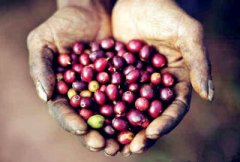
Top 10 Best Single Origin Coffees in the World
Discover the world’s top-rated single origin coffees, from Jamaica’s Blue Mountain No.1 to Yemen’s Mokha Mattari, ranked by flavor and prestige.
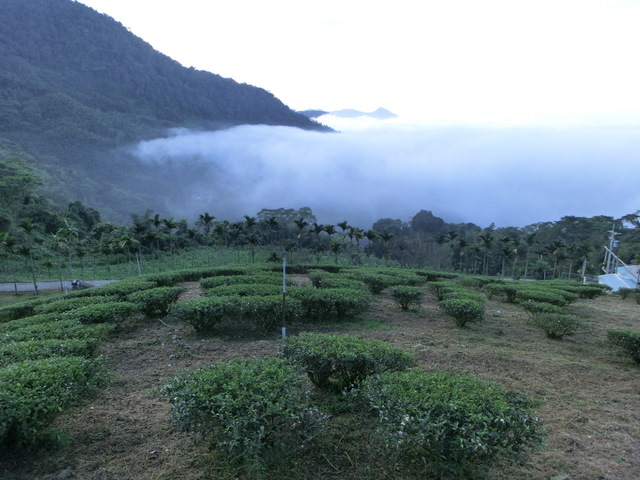
What Is Jamaica Blue Mountain Coffee?
Learn what makes Jamaica Blue Mountain coffee unique, from its strict certification to limited production and balanced flavor profile.
What Is Jamaica Blue Mountain Coffee?
Learn what makes Jamaica Blue Mountain coffee so rare and balanced, from its strict growing rules to its true flavor profile.
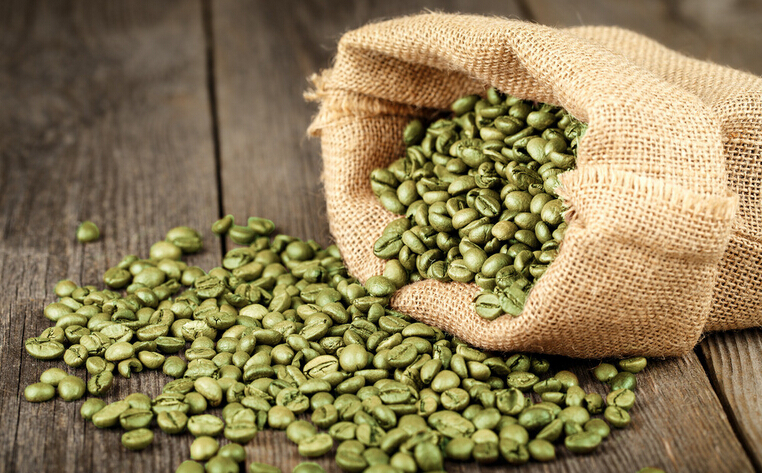
Coffee Tree Biology and Green Bean Classification
Learn how coffee trees grow, how coffee cherries develop, and why green coffee beans are sorted into specific types. All the plant science behind your cup.
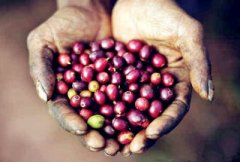
What Makes Mandheling Coffee Unique? Flavor & Brewing Guide
Learn why Mandheling coffee tastes rich and bold, how to brew it properly, and whether dark roast works for pour-over.
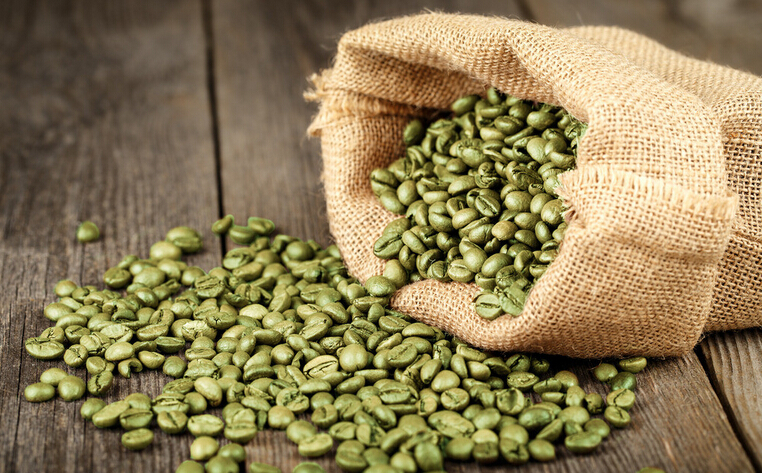
How to Choose Fresh Coffee Beans
Choose freshly roasted coffee beans with uniform color and size, rich aroma, and no stale odors. Avoid beans that are oily or past their peak flavor window.
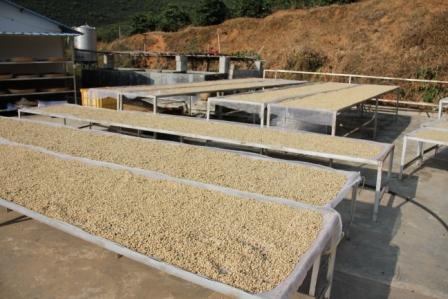
How Coffee Beans Are Processed After Harvest
Coffee beans go through washing, drying, and resting after harvest. Learn how washed and natural processes affect flavor and moisture levels.
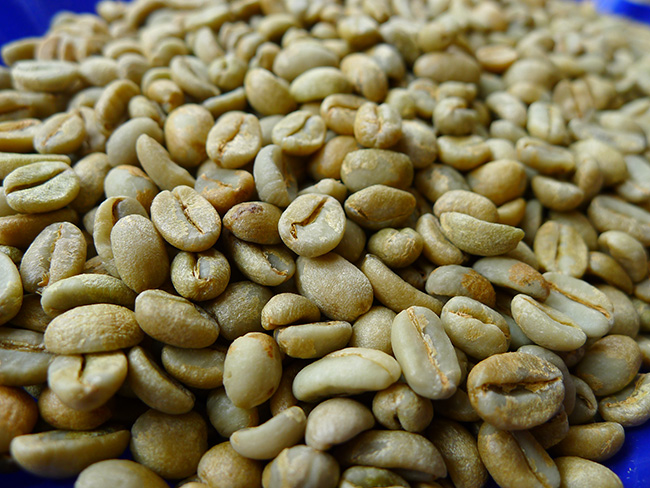
How Coffee Beans Are Grown: History and Origins
Explore the origins of coffee beans, from Ethiopia to global farms, and learn how they’re grown, harvested, and classified as green coffee.
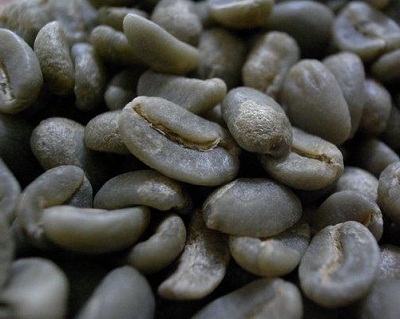
Do You Need to Wash Raw Coffee Beans?
Raw coffee beans carry bacteria, but washing isn't essential. Roasting kills microbes—just avoid soaking or uneven drying if you do wash.
What Is Kopi Luwak Coffee and How Does It Taste?
Kopi Luwak is made from beans excreted by civets. We explain its origins, unique processing, and distinctive flavor profile.
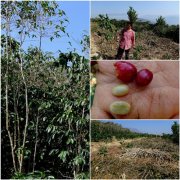
Yunnan Coffee Varieties: What’s Really Grown in China
Yunnan’s famous 'small-grain' coffee isn’t a true variety. Discover the real types—Typica, Bourbon, and Catimor—and which still grow today.

El Salvador Specialty Coffee: Flavor Profile & Roast Guide
Discover El Salvador’s balanced specialty coffee: medium to dark roast, SHB grade, with bright acidity and smooth sweetness. Best for espresso and filter.
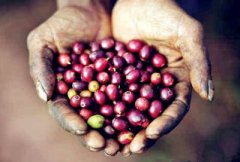
What Makes Rwandan Coffee Unique? Flavor & Processing Guide
Explore Rwanda’s high-altitude Bourbon-grown coffee, known for citrusy sweetness, bright acidity, and chocolatey depth from washed processing.
Where Yunnan Specialty Coffee Grows: Key Regions Explained
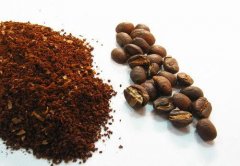
Explore the top regions in Yunnan—Pu'er, Dehong, Baoshan, Lincang—where unique microclimates produce distinctive small Arabica beans.
Tanzanian Coffee: Flavor, Regions, and What Makes It Special
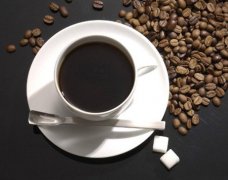
Explore Tanzanian coffee’s unique profile, major regions like Kilimanjaro, and why it’s gaining renewed global interest despite past struggles.
Where Is Jamaica Blue Mountain Coffee Grown?
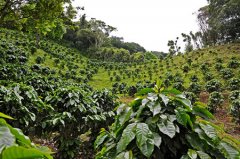
Blue Mountain coffee comes only from Jamaica’s Blue Mountains between 910m and 1,700m elevation. Learn the unique conditions behind its global prestige.
What Is Jamaica Blue Mountain Coffee and How Did It Start?
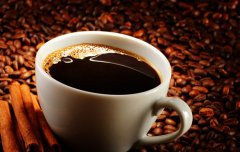
Learn the origins, strict grading system, and unique flavor profile of true Jamaica Blue Mountain coffee—plus how to identify the real thing.
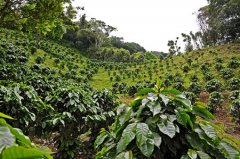
What Makes Ethiopian Natural Yirgacheffe Coffee So Unique?
Explore why Ethiopian natural-process Yirgacheffe coffee delivers bold fruitiness, high cleanliness, and a G2-grade rarity among sun-dried beans.