Do You Need to Wash Raw Coffee Beans?
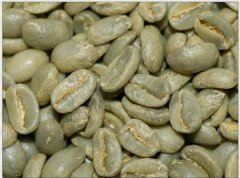
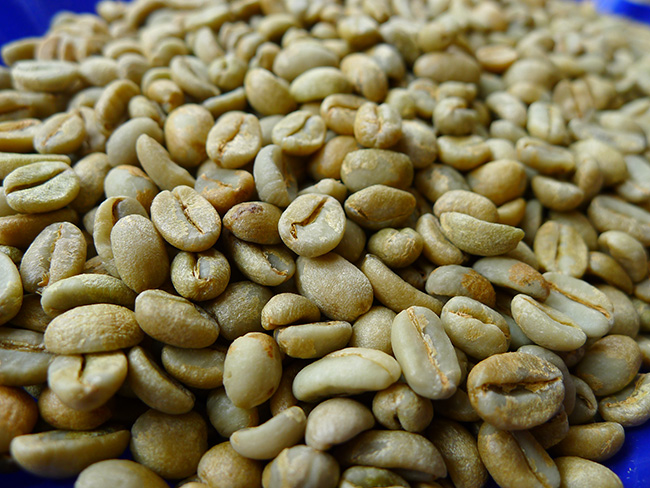
When you buy high-quality green coffee beans, they often arrive in sacks that may look dusty—or worse, stained with water or dirt. It’s not a great look, and worse, those beans can harbor around 10,000 bacteria per gram. But does that mean you should wash your raw coffee before roasting?
No—you don’t have to wash raw coffee beans. Roasting at high temperatures eliminates nearly all microbes, and most surface dust drops off during roasting. Washing isn’t necessary, but if you do, keep it quick and dry the beans properly.
What’s Really on Your Green Coffee Beans?
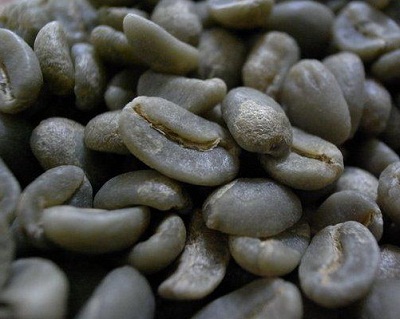
Raw coffee beans arrive from farms packed in jute or hessian sacks. During transport and storage, these beans can accumulate dust, dirt, and even water stains. While the surface might look unclean, the greater concern lies in what you can’t see: microbes. Studies cited in industry literature show roughly 10,000 bacteria per gram on unwashed green coffee. That sounds alarming, but there’s more to consider before reaching for the sponge.
Why Roasting Solves Most Issues
Roasting transforms green coffee into the aromatic beans we know. The process involves temperatures typically exceeding 200°C (392°F), which is more than enough to kill virtually all microbes. Additionally, much of the surface dust and debris simply burns off or falls away during roasting. This means that by the time your beans reach the roaster—or your home roasting setup—the microbial risk has been dramatically reduced without any washing.
Should You Still Wash Green Coffee? What to Know
If you still choose to wash your green coffee—for instance, if you’ve received visibly dirty beans—you need to do it carefully. Soaking beans for too long can leach out flavor precursors like sugars and acids, damaging cup quality. Moreover, improper drying after washing can cause mold or uneven moisture levels, leading to baking or uneven roasting. If you wash, do it quickly, dry the beans evenly and thoroughly, and use them as soon as possible.
The Bigger Issue: Hygiene in Coffee Handling
There’s a broader problem in how green coffee is handled. Jute sacks used for transporting green beans aren’t sterile—and neither are the environments where they’re stored or displayed. It’s common in small roasteries to see roasted coffee placed near open sacks of green beans, or worse, left in contact with unhygienic surfaces. That’s not just an aesthetic issue: dust from raw beans or sacks can trigger allergic reactions, such as skin irritation in sensitive individuals. Treating green coffee with the same basic food safety standards as other consumables is a simple but essential step many in the industry overlook.
Frequently Asked Questions
Do all raw coffee beans have bacteria on them?
Yes, according to the article, every gram of unwashed green coffee beans can contain around 10,000 bacteria. These are unseen microbes on the surface, though they are largely eradicated during roasting.
Is it safe to roast unwashed coffee beans?
Yes, it is safe. Roasting at high temperatures—usually over 200°C—kills almost all microbes, and surface dust typically burns off, making washing before roasting unnecessary.
What happens if I soak green coffee beans for too long?
Soaking green beans for extended periods can cause the loss of flavor precursors, including sugars and organic acids, which negatively impacts the final cup profile. Avoid long-term soaking.
How should I dry coffee beans if I wash them?
If you wash green beans, dry them quickly and evenly. Uneven or incomplete drying can lead to mold growth or inconsistent moisture, which will affect roast quality and flavor development.
Why is green coffee hygiene often overlooked?
Many coffee professionals don’t treat green coffee as a food product. Poor handling—like touching beans with bare hands or storing them near unclean surfaces—is common and increases contamination risks, even if microbes are later killed during roasting.
Recommended FrontStreet Washed Process Coffees
For a true taste of washed coffee, try FrontStreet’s Kenya Little Tomato—a double-washed Kenyan offering bright notes of Saint girl fruit, black plum, and juicy acidity, finishing with hints of pear and brown sugar. Or explore the Yirgacheffe-sourced Gedeb Cooperative beans, known for their crisp citrus acidity and floral jasmine tones, with balanced sweetness ideal for pour-over. Lastly, Jamaica Blue Mountain No.1 delivers a classic washed profile: creamy milk chocolate, hazelnuts, and smooth caramel, with low bitterness. Freshly roasted within 5 days · Orders placed before 17:00 ship the same day · Next-day delivery across most of Guangdong Province.
FrontStreet Coffee is a long-established specialty coffee roaster in Guangzhou China, selling freshly roasted beans from its own farm in Yunnan as well as dozens of carefully selected single-origin beans from around the world for both pour-over and espresso. The products deliver consistently excellent quality and great value, with shipping within 24 hours. Guangzhou's FrontStreet Coffee shop is recommended by many coffee lovers, and the beans are now available online at the Tmall 。
Important Notice :
前街咖啡 FrontStreet Coffee has moved to new addredd:
FrontStreet Coffee Address: 315,Donghua East Road,GuangZhou
Tel:020 38364473