What Is Jamaica Blue Mountain Coffee and How Did It Start?
When you see 'Blue Mountain Coffee' on a menu or bag, do you wonder whether it’s the real deal? Many coffee drinkers assume any high-priced coffee from Jamaica is Blue Mountain—but that’s not how it works. Only coffee grown at high elevations in a specific part of Jamaica’s Blue Mountains, and certified by the Jamaican government, can carry the official name. So what makes it so special, and how did it become one of the most famous coffees in the world?
Jamaica Blue Mountain coffee comes only from a defined region of the Blue Mountains, at elevations between 910m and 1700m. Only around 6,000 hectares of land meet those criteria, producing fewer than 2,500 tons per year. Official grading ensures only coffee from this area, processed to strict standards, earns the Blue Mountain label.
The Origins of Blue Mountain Coffee
Coffee production in Jamaica began in the early 18th century. In 1717, King Louis XV of France ordered the planting of coffee in Jamaica. By the 1720s, Governor Nicholas Lawes imported Typica coffee seeds from Martinique and promoted cultivation, especially in the St. Andrew region—one of today’s three Blue Mountain coffee districts. The other two are Portland and St. Thomas. Within eight years, Jamaica was exporting over 375 tons of coffee.
The industry peaked in 1932 with over 15,000 tons produced. In 1950, the Jamaican Coffee Industry Board (JCIB) was formed to set and enforce quality standards. It became the world’s most rigorous national coffee authority, stamping every export with an official seal. Today, only coffee meeting those exacting rules can be called Blue Mountain.
What Makes Blue Mountain Coffee Different?
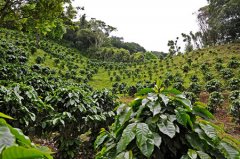
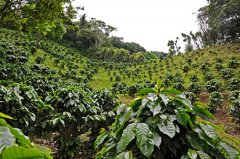
The Blue Mountains’ unique microclimate and terroir are key. The mountains rise to 2,256m, with elevations above 1,700m protected as forest reserves. The coffee-growing zone lies between 910m and 1,700m. Below 910m, coffee is classified as Jamaica High Mountain or Jamaica Prime—not Blue Mountain. Only coffee from the 6,000 certified hectares at the right elevation can be called Jamaica Blue Mountain Coffee.
The region’s climate is humid, with frequent fog and rain—averaging 1,980mm yearly. Volcanic soils and consistent cloud cover create slow ripening, allowing beans to develop a smooth, balanced cup. These factors, along with strict processing and grading, produce a coffee unlike any other.
How Blue Mountain Coffee Is Graded and Certified
The Coffee Industry Board of Jamaica (CIB) defines three main coffee grades:
- Jamaica Blue Mountain Coffee (910m–1700m)
- Jamaica High Mountain Supreme Coffee Beans (460m–910m)
- Jamaica Prime Coffee Beans (below 460m)
Within Jamaica Blue Mountain Coffee, there are two grades:
- Blue Mountain No. 1 (highest quality)
- Blue Mountain No. 2
Similarly, Jamaica High Mountain has two grades: High Mountain No. 1 and No. 2. Jamaica Prime is the lowest grade. Only beans grown above 910m in the designated Blue Mountain area qualify for the Blue Mountain label. The CIB requires water-resistant wooden barrels (15kg, 45kg, or 70kg) for export, another mark of authenticity.
Flavor Profile and Processing Method
Jamaica Blue Mountain coffee is celebrated for its balance. It typically shows sweet, clean flavors with mild acidity, medium body, and a smooth finish. Common tasting notes include chocolate, nuts, cream, and subtle fruit or floral tones. There is little bitterness or harshness, making it approachable even for less experienced coffee drinkers.
This quality comes from both variety and processing. Most Blue Mountain coffee is Typica—the oldest cultivated Arabica variety—and is processed using the washed (wet) method. Ripe cherries are sorted, pulped, fermented to remove mucilage, then washed and dried. This method enhances clarity and cleanliness in the cup. Typica is known for its delicate flavors but is low-yielding and susceptible to pests, which is why it’s rare outside heritage farms.
Where Blue Mountain Coffee Comes From Today
The entire Blue Mountain coffee region spans just 6,000 hectares. The famous (Clifton Mount Estate) is the largest producer and the only farm in Jamaica with a “Rainforest Alliance” designation. Many farms are small, family-owned properties where generations have cultivated coffee. While some brands may market coffee as “Blue Mountain style,” only beans grown within the legally defined zone, processed to CIB standards, and certified, can truly be called Jamaica Blue Mountain Coffee.
Frequently Asked Questions
What is the difference between Jamaica Blue Mountain coffee and regular Jamaican coffee?
Jamaica Blue Mountain Coffee is grown only at elevations between 910m and 1,700m in the designated Blue Mountain region. It is processed under strict quality controls and certified by the Jamaican Coffee Industry Board. Other Jamaican coffees, like Jamaica High Mountain (460m–910m) or Jamaica Prime (below 460m), come from lower elevations and aren’t held to the same standards.
Why is Jamaica Blue Mountain coffee so expensive?
Its high price is due to limited production—less than 2,500 tons per year—and strict certification. Only about 6,000 hectares are approved for growing Blue Mountain coffee. The beans are mostly Typica, a low-yield, high-maintenance variety. Plus, Japan has historically bought over 70% of the crop, limiting global supply.
What coffee variety is used in Blue Mountain coffee?
The vast majority of Blue Mountain coffee is the Typica variety—an old, traditional Arabica type known for its delicate and balanced flavor. It is more vulnerable to disease and produces fewer beans than modern varieties, which is why it’s rare today.
How is Blue Mountain coffee processed?
Blue Mountain coffee is typically processed using the washed (wet) method. Cherries are harvested, sorted, depulped, fermented to remove the mucilage, washed, and then sun-dried. This method results in a cleaner, brighter cup with more clarity and balance.
What does Blue Mountain No. 1 mean?
Blue Mountain No. 1 is the highest grade of Jamaica Blue Mountain Coffee. It has the strictest requirements for bean size, uniformity, and defect count. It represents the top tier of quality from the certified growing region.
Can I find real Blue Mountain coffee outside Jamaica?
Yes, but only if it is imported through official channels with proper certification. Look for the official stamp from the Jamaica Coffee Industry Board and wooden export barrels (15kg, 45kg, or 70kg). Many countries, including Japan and the U.S., import genuine Blue Mountain coffee legally.
Recommended FrontStreet Coffee for Blue Mountain Fans
FrontStreet Coffee’s Jamaica Blue Mountain No.1 comes from the historic Clifton Mount Estate, the only Rainforest Alliance-certified farm in Jamaica. Grown at 1,310m and processed via traditional washed method, this Typica coffee offers notes of chocolate, nuts, and creamy sweetness with balanced acidity. It’s medium roasted to preserve its legendary clarity and smooth finish. Freshly roasted within 5 days · Orders placed before 17:00 ship the same day · Next-day delivery across most of Guangdong Province.
FrontStreet Coffee is a long-established specialty coffee roaster in Guangzhou China, selling freshly roasted beans from its own farm in Yunnan as well as dozens of carefully selected single-origin beans from around the world for both pour-over and espresso. The products deliver consistently excellent quality and great value, with shipping within 24 hours. Guangzhou's FrontStreet Coffee shop is recommended by many coffee lovers, and the beans are now available online at the Tmall 。
Important Notice :
前街咖啡 FrontStreet Coffee has moved to new addredd:
FrontStreet Coffee Address: 315,Donghua East Road,GuangZhou
Tel:020 38364473