What Is Kopi Luwak Coffee and Why Is It So Expensive?
Kopi Luwak—the infamous ‘cat poop coffee’—is one of the world’s most expensive and polarizing brews. With a price tag reaching hundreds of dollars per pound, it’s not the price that shocks most people, but how it’s made. But what actually happens between the coffee cherry being eaten and the bean ending up in your cup? And does the process deliver a truly unique cup?
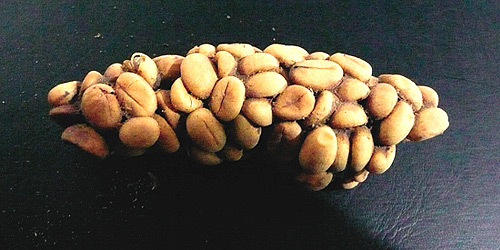
In short: Civets—small, cat-like mammals—eat ripe coffee cherries, digest the fruit pulp, and excrete the beans. The beans ferment in the civet’s digestive tract, which some claim reduces bitterness and enhances flavor. After collection, the beans are cleaned, roasted, and sold. Prices can exceed $600 per pound. But taste and ethics remain hotly debated.
Where Does Kopi Luwak Come From?
Kopi Luwak originates in Indonesia, particularly on the islands of Sumatra and Java. It dates back to the early 18th century during Dutch colonial rule. The Dutch established large coffee plantations and prohibited local workers from harvesting coffee for personal use. Locals noticed that civets, or coconut civets (a type of civet native to the region), ate the coffee cherries but passed the beans undigested. This discovery led to the development of kopi luwak as a niche product.
How Is Kopi Luwak Actually Made?
The process begins when civets consume ripe coffee cherries. Inside the civet’s digestive system, gastric acids and enzymes break down the fruit’s outer layers, but the hard coffee beans remain intact. The beans ferment as they pass through the civet’s gastrointestinal tract. This fermentation is said to degrade proteins in the bean, resulting in fewer free acids and producing shorter peptides and free amino acids. Once expelled in the feces, the beans are collected, thoroughly washed, and processed for roasting. What remains is a green coffee bean ready for specialty roasting.
What Does Kopi Luwak Taste Like?
Coffee experts describe the flavor profile of kopi luwak in striking terms. Renowned reviewer Chris Rubin noted that it has “rich and intense aroma, incredibly deep body, almost syrupy thickness with a chocolate-like mouthfeel.” He observed a long-lasting finish with “pure aftertaste,” noting qualities akin to dark chocolate and a heavy, lingering body. These descriptions suggest a low-acid, smooth, and intensely rich cup. However, these experiences are subjective and not universally agreed upon.
What Do Coffee Professionals Think of Kopi Luwak?
The Specialty Coffee Association of America (SCAA) and many industry professionals offer a starkly different view. SCAA states the “consensus in the industry is that it tastes bad.” One expert cited by SCAA remarked that kopi luwak’s appeal lies in its backstory rather than its cup quality. According to their assessments, kopi luwak scores “two points lower than the lowest-scoring coffees” under SCAA standards. Critics argue that the digestive process strips away desirable acidity and complexity, leaving a flat, overly smooth cup. Yet, some consumers perceive that muted profile as a positive trait.
Why Is Kopi Luwak So Controversial?
Beyond taste, kopi luwak faces serious ethical concerns. While traditionally sourced from wild civets, much of today’s supply comes from caged animals kept in poor conditions and force-fed coffee cherries. Animal welfare organizations have widely condemned these practices. The romanticized narrative of wild civets selectively eating the best cherries is often a myth in commercial production. As a result, many specialty coffee professionals and consumers avoid kopi luwak entirely, regardless of its flavor profile.
Frequently Asked Questions
What is kopi luwak coffee?
Kopi luwak is a type of coffee made from beans that have been eaten and excreted by civets, small cat-like mammals native to Southeast Asia. The beans ferment in the civet’s digestive system before being collected, cleaned, and roasted. It originates from Indonesia.
Why is kopi luwak so expensive?
Kopi luwak commands high prices—sometimes over $600 per pound—due to its rarity, labor-intensive production process, and the unusual method of production. The limited supply and novelty also contribute to its premium cost.
Does kopi luwak really taste different?
Some coffee tasters report that kopi luwak has a smooth, low-acid profile with rich chocolate and syrupy notes. However, these tasting notes are subjective, and many experts find the cup dull or overly smooth compared to high-quality traditional coffees.
What do coffee experts think about kopi luwak?
Many specialty coffee professionals, including those from the SCAA, criticize kopi luwak for its reportedly poor cup quality. It often scores below average in professional evaluations, with critics saying the digestive process harms acidity and flavor complexity.
Is kopi luwak ethically produced?
Ethical concerns dominate discussions about kopi luwak. While originally sourced from wild civets, most commercial kopi luwak today comes from caged animals kept in poor conditions. This has led to widespread condemnation from animal welfare groups.
Recommended FrontStreet Beans from Indonesia
For drinkers curious about Indonesian coffee profiles without the kopi luwak controversy, try FrontStreet’s Lintong Mandheling, a classic Sumatran single origin grown near Lake Toba. It offers herbal, woody, and spicy notes with a sweet finish. For higher-grade quality, the PWN Golden Mandheling delivers toast, caramel, and cocoa tones with a thick, balanced body and long-lasting caramel sweetness. Both beans use the signature Indonesian wet-hulled (Giling Basah) method and are grown at 1100–1600m altitude. Freshly roasted within 5 days · Orders placed before 17:00 ship the same day · Next-day delivery across most of Guangdong Province.
FrontStreet Coffee is a long-established specialty coffee roaster in Guangzhou China, selling freshly roasted beans from its own farm in Yunnan as well as dozens of carefully selected single-origin beans from around the world for both pour-over and espresso. The products deliver consistently excellent quality and great value, with shipping within 24 hours. Guangzhou's FrontStreet Coffee shop is recommended by many coffee lovers, and the beans are now available online at the Tmall 。
Important Notice :
前街咖啡 FrontStreet Coffee has moved to new addredd:
FrontStreet Coffee Address: 315,Donghua East Road,GuangZhou
Tel:020 38364473