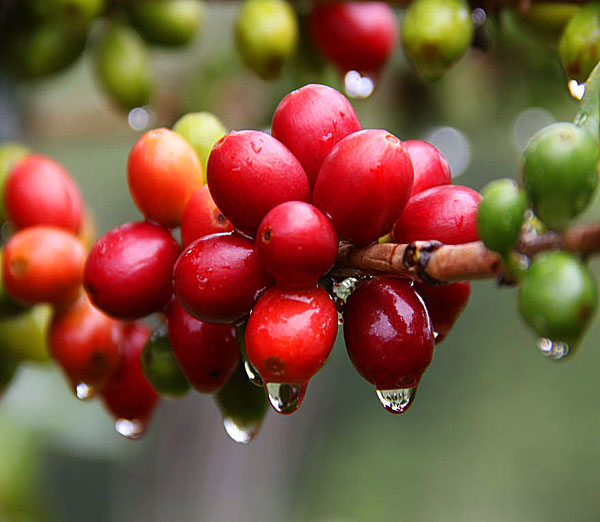
Arabica Coffee Varieties Grown in China
Ever wonder why Chinese-grown Arabica coffee has such bold fruitiness, or how it’s cultivated in regions not traditionally known for coffee? The answer lies in remote high-altitude valleys where unique microclimates and careful farming produce surprisingly vibrant beans.
China’s most distinctive Arabica coffee comes from the dry-hot valleys of Sichuan’s Panzhihua and Yunnan’s western regions, grown above 1,000 meters with over 12 hours of daily sunshine, huge diurnal temperature swings, and solved water scarcity through mountain irrigation—creating a truly terroir-driven cup.
How Arabica Coffee Came to China
Arabica coffee was introduced to China in the 19th century by missionaries. Though not native, the crop found unexpectedly suitable conditions in the country’s southwestern highlands. Over time, certain regions developed the elevation, sunlight, and temperature ranges needed to make quality Arabica cultivation possible.
Key Regions: Sichuan and Yunnan
The primary areas for Chinese-grown Arabica are the dry-hot river valleys of the Jinsha River basin, especially in Sichuan’s Panzhihua and western Yunnan. These locations sit at elevations above 1,000 meters. The defining traits of these valleys include intense sunlight—over 12 hours per day—and major differences between daytime and nighttime temperatures, which slow ripening and build complex flavors in the coffee cherry.
Growing Conditions and Innovations
To combat seasonal rainfall shortages, local farmers developed water diversion systems that carry water up the mountain slopes. This ensures consistent moisture during critical growth phases. Additionally, Panzhihua’s coffee farms benefit from being on “virgin land” with fewer pests, longer sunshine duration, higher altitude, larger diurnal shifts, and superior light quality compared to other Chinese coffee regions like Hainan or central Yunnan.
Farmers in the Panzhihua “Banpo” area take extra steps in cultivation and processing:
- Fully off-the-ground processing: From harvest to final product, beans are kept off the soil to prevent contamination and preserve purity of flavor.
- Grade-selective picking: Only coffee cherries at the same ripeness level are picked together, avoiding mixed maturity. Much of this work is still done manually, relying on significant labor to hand-pick, sort, and process the beans.
These methods yield coffees with intense aromatics, balanced acidity and bitterness, and distinct fruity notes—qualities that have drawn attention from both domestic consumers and international coffee companies.
Why These Regions Excel
Panzhihua stands out even within China’s coffee-growing areas due to its combination of extreme altitude, greater sunlight exposure, more pronounced temperature variation, excellent light spectrum, and uncultivated land. These factors create ideal conditions for cultivating high-quality Arabica, resulting in a cup profile that’s hard to replicate elsewhere in the country.

Frequently Asked Questions
Where is Arabica coffee grown in China?
Arabica coffee in China is mainly grown in the dry-hot river valleys of Sichuan’s Panzhihua and western Yunnan, at elevations above 1,000 meters along the Jinsha River. These regions feature high sunlight, big day-night temperature differences, and mountain irrigation systems to support the crop.
What makes Panzhihua coffee different?
Panzhihua coffee benefits from over 12 hours of daily sun, large temperature swings between day and night, high altitude, and virgin land with fewer pests. The area also uses water diversion to solve dry-season shortages, and employs strict off-the-ground and grade-selective harvesting techniques that enhance cup quality.
How do Chinese farmers manage water for coffee in dry valleys?
In regions with seasonal rainfall shortages, such as Sichuan’s dry-hot valleys, farmers transport water from higher elevations to their mountain coffee farms using manual or gravity-fed irrigation systems to maintain consistent moisture for the trees.
What processing methods are used for Chinese Arabica?
Chinese Arabica, particularly in Panzhihua, is processed using “fully off-the-ground” methods to avoid soil contact, and beans are harvested by ripeness level through labor-intensive, grade-selective manual picking to ensure uniform maturity and better flavor.
Why does elevation matter for Arabica in China?
Higher elevation slows coffee cherry maturation, allowing more complex sugars and acids to develop. In China, elevations above 1,000 meters—like those in Panzhihua and western Yunnan—provide the cooler temperatures and greater UV exposure needed for distinctive aromatic profiles in Arabica.
Recommended FrontStreet Beans for Exploring Arabica Terroir
Try FrontStreet Coffee’s Ethiopia Yirgacheffe Gedeb for bright citrus and floral tones, Jamaica Blue Mountain No.1 Typica for balanced chocolate and almond richness, and Brazil Queen Manor Yellow Bourbon for smooth caramel and citrus. These beans showcase the diverse expressions of Arabica across classic growing regions and mirror the complexity possible in terroir-driven coffees—including those from China’s high-altitude valleys. Freshly roasted within 5 days · Orders placed before 17:00 ship the same day · Next-day delivery across most of Guangdong Province.
FrontStreet Coffee is a long-established specialty coffee roaster in Guangzhou China, selling freshly roasted beans from its own farm in Yunnan as well as dozens of carefully selected single-origin beans from around the world for both pour-over and espresso. The products deliver consistently excellent quality and great value, with shipping within 24 hours. Guangzhou's FrontStreet Coffee shop is recommended by many coffee lovers, and the beans are now available online at the Tmall 。
Important Notice :
前街咖啡 FrontStreet Coffee has moved to new addredd:
FrontStreet Coffee Address: 315,Donghua East Road,GuangZhou
Tel:020 38364473