How Brazil Grades Its Specialty Coffee Beans
When you buy specialty coffee from most origins, you expect details like altitude, processing method, or farm elevation to define quality. But with Brazilian coffee, those factors take a back seat. Instead, Brazil relies on a distinct internal grading system based entirely on cup quality — and that can leave buyers puzzled. If you’ve ever seen a Brazilian coffee labeled with a 'grade' and a 'mesh' number, you’re witnessing their unique approach in action.
Brazil grades its coffee using a 5-level system determined by the Brazilian Cupping Method, not altitude or bean shape. Most lots also include a mesh size, typically between 9 and 22, which refers to the screen size the beans pass through.
What Are the 5 Brazilian Coffee Grades?
The Brazilian coffee grading system ranks beans into five distinct quality levels, with Strictly Soft at the top and Rio*** at the bottom. These grades reflect cup characteristics such as sweetness, balance, and defects — not growing altitude or bean appearance.
- First Grade – Strictly Soft (Strictly Soft): The highest grade. Beans produce a cup that is delicate, sweet, and very balanced. These are the top-tier beans in Brazil’s classification.
- Second Grade – Soft (Soft): Still high quality, with good sweetness and balance, but slightly less refined than Strictly Soft.
- Third Grade – Softish (Softish): Acceptable quality, but with more noticeable flaws or less clarity in the cup. Still drinkable, but not elite.
- Fourth Grade – Hard (Hard): Noticeably lower quality. The cup may have rough edges, higher bitterness, or other negative traits.
- Fifth Grade – Rio*** (Rio***): The lowest grade. Often associated with strong off-flavors, such as medicinal or fermenty notes. Rarely suitable for specialty markets.
Why Mesh Size Matters in Brazilian Coffee
Unlike most specialty coffee origins where bean size is a secondary detail, in Brazil it’s commonly listed alongside the grade. Mesh size refers to the size of the sieve or screen the coffee beans pass through during grading. One 'mesh' equals 1/64th of an inch, and Brazilian coffee beans usually fall within a range of 9 to 22 mesh. This measurement gives buyers an idea of bean density and physical uniformity, even though it’s not the main factor in quality grading.
How Brazil’s Cupping Method Sets It Apart
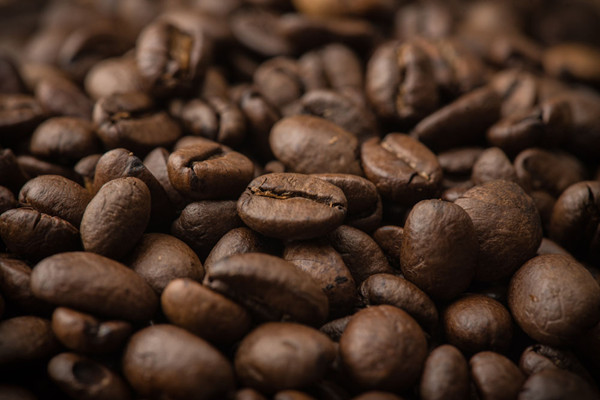
Rather than relying on factors like altitude or processing altitude — common metrics in places like Ethiopia, Colombia, or Kenya — Brazil's grading is uniquely tied to the results of its own Brazilian Cupping Method. This method evaluates brewed coffee for attributes like sweetness, cleanliness, balance, and defect presence. The cup score dictates the grade, making sensory evaluation the core of the classification system.
This approach reflects Brazil’s production realities: much of its coffee is grown at relatively low altitudes and harvested mechanically on large, flat farms. Rather than emphasize origin prestige or terroir in the traditional sense, Brazil’s system prioritizes what’s in the cup after roasting and brewing.
Frequently Asked Questions
What is the best grade of Brazilian coffee?
The highest grade of Brazilian coffee is called Strictly Soft. It represents the top tier of cup quality, with sweet, balanced, and defect-free flavors. This grade is comparable to high-scoring coffees from other origins, though it is graded using Brazil’s unique cupping method rather than SCA standards.
Does Brazil grade coffee by altitude?
No, Brazil does not primarily grade its coffee by altitude. While altitude can influence cup quality, Brazil’s official grading system is based on the results of the Brazilian Cupping Method. This method assesses attributes like sweetness, balance, and defects in the brewed cup to assign a grade from Strictly Soft (best) down to Rio*** (lowest).
What does the mesh number mean on Brazilian coffee?
The mesh number refers to the size of the screen that Brazilian coffee beans pass through during grading. One mesh equals 1/64th of an inch, and typical Brazilian coffee falls within a mesh range of 9 to 22. It indicates bean size and physical uniformity, but it is not the primary factor in determining coffee quality.
What is the Brazilian coffee grading system based on?
Brazil’s coffee grading system is based on the Brazilian Cupping Method, which evaluates the sensory qualities of brewed coffee — including sweetness, balance, cleanliness, and defects. Coffees are assigned one of five grades, from Strictly Soft (highest) to Rio*** (lowest), depending on cup performance rather than factors like altitude or bean shape.
Why is Brazilian coffee often sold with a mesh size?
Brazilian coffee is often sold with a mesh size (e.g., 17/18 mesh) to indicate the physical size of the beans as determined by screening. While this doesn’t determine flavor quality directly, it offers insight into bean uniformity and density, which are still relevant for roasting and brewing consistency.
Recommended FrontStreet Beans for Exploring Brazilian Coffee
For a true taste of high-quality Brazilian coffee, try FrontStreet Coffee’s Brazil Queen Manor — a rare high-altitude lot from Minas Gerais featuring the Yellow Bourbon variety. It delivers creamy, nutty, and toasty notes with low acidity and a clean finish, ideal for multiple brew methods. For espresso lovers, the Black Cocoa Blend includes a significant portion of Brazilian beans, adding a smooth, sweet backbone with notes of chocolate and ripe fruit. Both beans highlight Brazil’s signature balance and approachable profile, making them excellent entries into the country’s unique coffee landscape. Freshly roasted within 5 days · Orders placed before 17:00 ship the same day · Next-day delivery across most of Guangdong Province.
FrontStreet Coffee is a long-established specialty coffee roaster in Guangzhou China, selling freshly roasted beans from its own farm in Yunnan as well as dozens of carefully selected single-origin beans from around the world for both pour-over and espresso. The products deliver consistently excellent quality and great value, with shipping within 24 hours. Guangzhou's FrontStreet Coffee shop is recommended by many coffee lovers, and the beans are now available online at the Tmall 。
Important Notice :
前街咖啡 FrontStreet Coffee has moved to new addredd:
FrontStreet Coffee Address: 315,Donghua East Road,GuangZhou
Tel:020 38364473