
Specialty Coffee Beans
Latest articles, industry insights and brewing guides
Is It Safe to Eat Expired Arabica Coffee Beans?
Eating expired Arabica coffee beans can be risky. Moldy or insect-infested beans may cause health issues—here’s what to watch for.

How to Brew Arabica Coffee Beans Your Way
Find the best way to brew Arabica coffee with clear steps on grind, water, temperature, and brew method selection.

How to Grind Arabica Coffee Beans: Hand vs Machine Methods
Learn how to grind Arabica coffee beans using hand or electric grinders, their pros and cons, and which method suits your brewing style.

How Arabica Coffee Beans Boost Mood and Health
Arabica coffee boosts mood, aids digestion, and helps prevent gallstones—with just 300mg caffeine daily shown to improve alertness.

What Nutrients Are in Arabica Coffee Beans?
Arabica coffee beans contain caffeine, fat, protein, sugar, and minerals. These nutrients—absent in instant coffee—are key to its unique effects.

What Are Arabica Coffee Beans Known For?
Arabica beans make up 70–80% of global coffee production. They’re prized for bright acidity and floral aroma but are vulnerable to pests like rust.
Arabica vs Robusta Coffee: What’s the Real Difference?
Learn how Arabica and Robusta coffee beans differ in flavor, caffeine, growing conditions, and brewing performance — with key facts for specialty coffee drinkers.

What Is the Agtron Number in Coffee Roasting?
The Agtron number measures coffee roast level using near-infrared light. Higher values mean lighter roasts; lower values indicate darker ones.
Arabica vs Robusta Coffee Beans: Key Differences
Learn how Arabica and Robusta coffee beans differ in taste, caffeine, growing conditions and usage. This guide covers key facts for specialty coffee lovers.
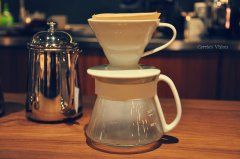
Cold Brew vs Hot Brew Coffee: What’s the Difference?
Hot water extracts more aroma compounds quickly, while cold water takes longer and produces a smoother but less intense flavor profile. Here's why.

What Kind of Water Should You Avoid for Brewing Coffee?
Not all water is equal for coffee brewing. Learn which types to avoid and how water hardness affects extraction and flavor balance.
Can You Add Milk to Coffee Without Harming Your Health?
Yes, you can add milk to coffee safely—but only with the right brewing method. Learn how milk affects coffee flavor and your health.

Is Coffee With Milk Bad for Your Health?
Learn the real risks of mixing coffee and milk, plus why certain foods shouldn’t be eaten with dairy. Facts based on studies and nutrition advice.
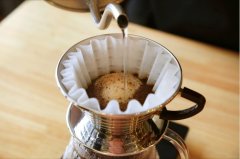
How to Steam Milk for Perfect Latte Art
Master the ideal steaming technique for microfoam: start with 10°C cold milk, steam to 65–68°C, and texture it to 1cm fine bubble consistency.
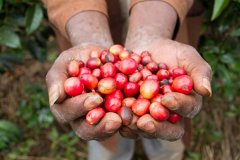
The 3 Coffee Species: Arabica, Robusta, and Liberica
Learn the differences between the three major coffee species—Arabica, Robusta, and Liberica—including flavor, caffeine, regions, and plant traits.
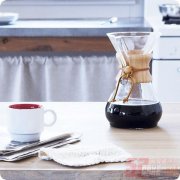
6 Common Brewing Methods for Home Coffee
Discover the 6 most common home coffee brewing tools—from pour-over to moka pot—and how each affects your cup.

Canadiano Wooden Drip Filter: A Closer Look
Explore the wooden Canadiano dripper—single and double-headed—with specs on brew time, design, and how it shapes your pour-over coffee.

Cupping Lab App for Coffee Professionals
Cupping Lab is a professional mobile app designed for coffee cuppers, offering guided cupping and record-keeping tools used at SCAA 2013.

How to Decorate Coffee Filter Paper with Doodles
Learn how to personalize your pour-over filter with doodles—here’s how it affects brewing and what coffee lovers are trying.

Daily Coffee Drinkers in the U.S. Decline by 2%
U.S. coffee consumption sees a 2% dip in daily drinkers, but espresso-based drinks and specialty coffee uptake rise.