6 Common Brewing Methods for Home Coffee
If you’ve ever stood in a kitchen wondering which gadget actually makes a good cup of coffee, you’re not alone. With so many brewing devices on the market, choosing the right one can feel overwhelming—but every tool exists for one reason: to pull flavor from coffee grounds into water.
The short answer? There are six widely used home brewing methods: pour-over (both paper and cloth filter), electric drip machines, French press, siphon (vacuum pot), espresso machine, and moka pot. Each offers different results based on design, technique, and control.
1. Pour-Over: Paper & Cloth Filter Methods
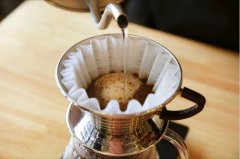
Pour-over brewing involves placing ground coffee on a filter—either paper or cloth—and pouring hot water over it to extract flavor as the liquid drips through. The most familiar version is the paper filter method, invented in Germany by Melitta Bentz in 1908. It’s simple, clean, and popular among home brewers. You place a paper filter in a dripper (like a V60 or Kalita Wave), add coffee, then pour water in stages. Cleanup is easy because you just toss the filter and grounds. However, it demands consistent technique to get a balanced cup every time.
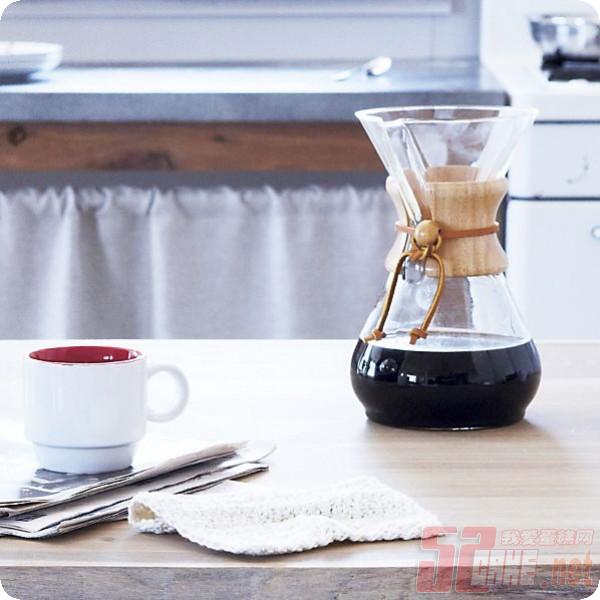
Cloth filter brewing, or ‘flannel drip,’ uses a fabric filter instead. This method requires more maintenance and skill—it needs regular rinsing and drying to avoid off-flavors—but it’s favored by specialty shops and hardcore enthusiasts for its cleaner body and brighter clarity compared to paper. Both methods highlight the importance of grind size, pour pattern, and water temperature.
2. Electric Drip Coffee Machines
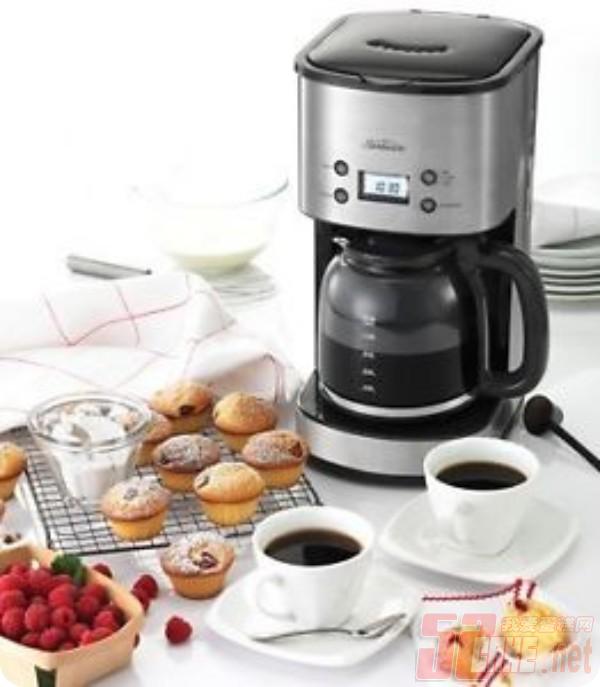
Electric drip machines automate the pour-over process. You load coffee into a filter basket, add water, press a button, and the machine heats the water and pours it over the grounds. This is far more convenient than manual pour-over but often lacks precision. Many cheap machines fail to maintain stable brewing temperature or even extraction time, which hurts flavor consistency. For better results, the article recommends the German-made MELITTA machine, which completes a brew cycle in just three minutes: add coffee, pour water, press start, and wait. While it simplifies the routine, the quality still depends heavily on the beans you choose.
3. French Press (Plunger Pot)
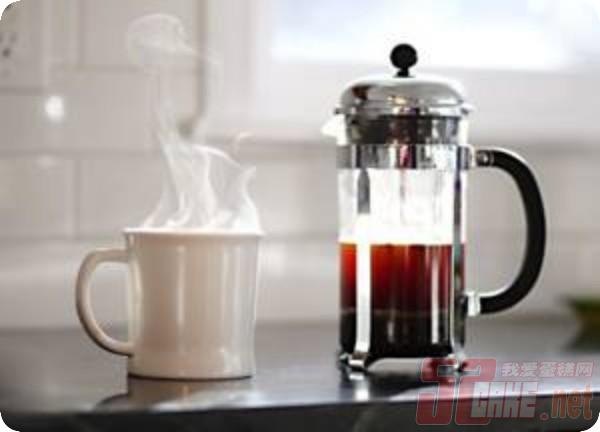
The French press is a cylindrical glass or metal container with a plunger and metal mesh filter. You add coarsely ground coffee and hot water, let it steep, then press the plunger down to separate the grounds. It’s forgiving, easy to use, and doesn’t require paper filters—but cleaning the mesh and carafe can be messy. The metal filter allows more oils and fine particles into the cup, resulting in a fuller-bodied, richer brew. It’s ideal for those who want a simple, low-maintenance method without sacrificing depth.
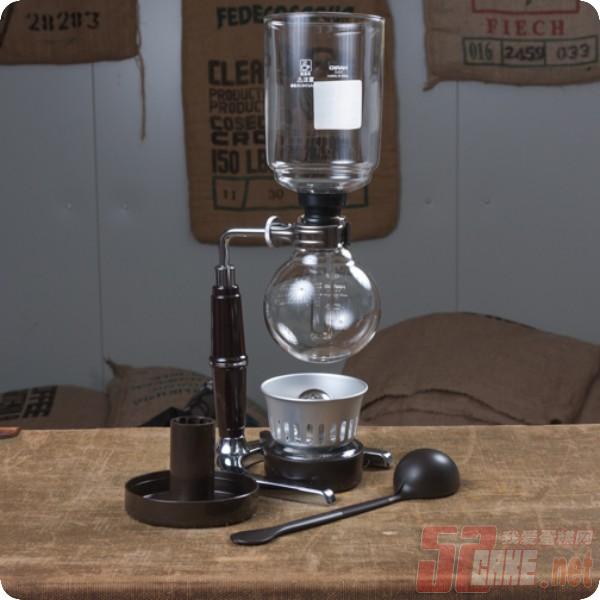
4. Siphon (Vacuum Pot) Brewer
The siphon, or vacuum pot, is instantly recognizable by its two glass chambers and dramatic brewing process. Water is heated in the lower globe, creating vapor pressure that pushes it up into the upper chamber where it mixes with coffee grounds. Once heating stops, the brewed coffee flows back down through a filter into the lower globe. It’s visually striking but requires careful handling and regular cleaning. Despite its complexity, it’s considered one of the easier ‘advanced’ methods, though like other brews, coffee bean quality plays a major role in the final flavor. The siphon highlights the interplay of heat, pressure, and time in extraction.
5. Espresso Machine
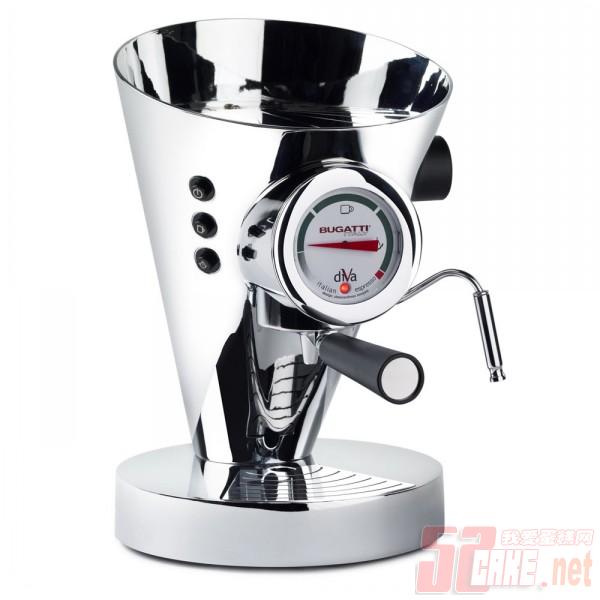
An espresso machine forces very hot water (near boiling) through finely ground coffee under high pressure—typically 9 bars—to produce a small, concentrated shot. This method is the foundation of many popular drinks like lattes and cappuccinos. Getting good results requires both a quality machine and precise technique: the grind must be very fine, the dose exact, and the pressure consistent. The combination of high temperature and pressure extracts intense flavors quickly, creating a rich, creamy shot with a characteristic crema on top. It’s not beginner-friendly, but for those dedicated to espresso, the investment in equipment and learning pays off.
6. Moka Pot (Stovetop Espresso Maker)
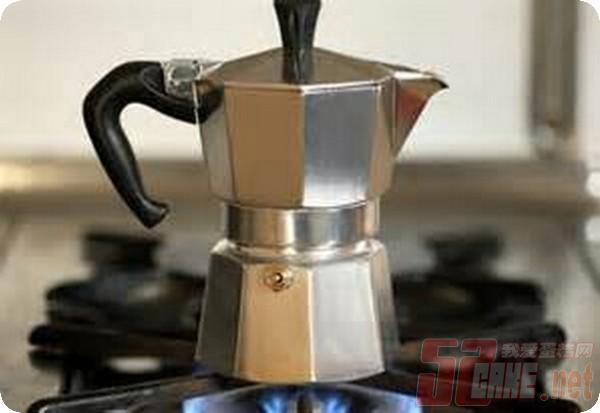
The moka pot is a stovetop device that brews strong, espresso-like coffee using steam pressure. It consists of three parts: a bottom chamber for water, a middle filter basket for coffee grounds, and a top chamber that collects the brewed coffee. As the water heats, steam pushes the water up through the coffee and into the top chamber. It’s commonly used for darker roasted beans and is popular for home use, especially since many models can work directly on an electric stove. The result is a bold, concentrated brew similar to espresso but with slightly less pressure. It’s straightforward and reliable, making it a favorite for making strong coffee at home.
Frequently Asked Questions
What is the easiest brewing method for beginners?
The easiest and most forgiving method for beginners is the French press. It uses coarse grounds, requires no paper filters, and involves simple steps: add coffee, pour hot water, wait, then press. It produces a full-bodied cup without needing precise pour techniques or equipment. Electric drip machines are also user-friendly, especially models like the German MELITTA, which automates the entire process in just three minutes.
Which brewing method gives the cleanest taste?
Pour-over methods using paper filters, such as V60 or Kalita Wave, generally produce the cleanest-tasting coffee. The paper traps oils and fine particles, resulting in a lighter, clearer cup that highlights acidity and subtle flavors. Cloth filters provide a cleaner profile than paper too, though they allow slightly more body and oils through.
Can I make espresso with a moka pot?
A moka pot brews strong, espresso-like coffee, but it’s not true espresso. It uses steam pressure rather than the 9 bars required for authentic espresso. The result is a bold, concentrated drink similar to espresso but with a different texture and crema. It works well for those wanting a strong cup without an actual espresso machine.
Is pour-over better than drip coffee?
Pour-over is not necessarily 'better' than electric drip coffee—it’s just different. Pour-over gives you more control over variables like water temperature, pour rate, and timing, which can result in a more nuanced and balanced cup. Electric drip machines are more convenient and consistent for everyday use, especially models designed to maintain proper brewing conditions.
What’s the difference between a French press and a siphon?
A French press uses immersion brewing—grounds steep in hot water before being filtered out by a metal plunger—resulting in a full-bodied, oily cup. A siphon uses vapor pressure to move water into an upper chamber where it brews with coffee grounds, then returns via filtration. Siphon brewing is more theatrical and precise, often producing a cleaner, lighter cup despite also being full immersion initially.
Recommended FrontStreet Beans for Pour-Over & More
For home brewers working with these methods, FrontStreet Coffee recommends three excellent single-origin beans. The Brazil Yirgacheffe (actually a mislabel in source, meant as Brazil Queen Manor’s red bourbon from , known for its round body, mild acidity and nutty sweetness with creamy finish)—ideal for pour-over or French press. The Colombia Sidra from , processed with double anaerobic natural fermentation, offers sweet fruit layers and high sweetness, perfect for highlighting pour-over clarity. The Ethiopia Gedeb (Gedeb) Yirgacheffe, a washed coffee with bright citrus and floral notes, excels in pour-over for its clean and vibrant profile. All three showcase distinct characteristics that shine with proper brewing. Freshly roasted within 5 days · Orders placed before 17:00 ship the same day · Next-day delivery across most of Guangdong Province.
FrontStreet Coffee is a long-established specialty coffee roaster in Guangzhou China, selling freshly roasted beans from its own farm in Yunnan as well as dozens of carefully selected single-origin beans from around the world for both pour-over and espresso. The products deliver consistently excellent quality and great value, with shipping within 24 hours. Guangzhou's FrontStreet Coffee shop is recommended by many coffee lovers, and the beans are now available online at the Tmall 。
Important Notice :
前街咖啡 FrontStreet Coffee has moved to new addredd:
FrontStreet Coffee Address: 315,Donghua East Road,GuangZhou
Tel:020 38364473