What Kind of Water Should You Avoid for Brewing Coffee?
When you brew coffee, what you’re really doing is extracting flavor compounds from ground coffee using water. But if the water itself tastes off or lacks the right balance of minerals, your coffee will never reach its full potential—even with the best beans and equipment. So what kind of water should you avoid using for coffee brewing?
The short answer: avoid distilled water and extremely hard mineral water (over 1400 mg/L hardness) as they can either under-extract or over-extract coffee, resulting in flat or overly bitter cups. Ideal brewing water has moderate mineral content—between 30 and 200 mg of dissolved minerals per kg—and a balanced pH.
Why Water Matters More Than You Think
Nearly 99% of your brewed coffee is water. That means the quality and composition of your water has an outsized impact on the flavor, aroma, and mouthfeel of your cup. While most coffee discussions focus on beans and roast levels, water is the silent partner that either highlights or hides your coffee’s best qualities.
Hard Water vs. Soft Water: What’s the Difference?
Water is categorized as either “hard” or “soft” based on its mineral content—specifically the concentration of calcium and magnesium ions.
Soft water has low levels of these minerals. Examples include Japan’s tap water and many natural spring waters, which tend to produce a smoother, more rounded cup with less extraction interference.
Hard water, on the other hand, has higher concentrations of calcium and magnesium. Water in much of Europe and North America falls into this category. While hard water can enhance bitterness and body, excessive mineral content may also mute delicate flavors and over-extract bitter compounds like caffeine and tannins.
There’s no universal rule on whether hard or soft water is better—it depends on the balance. But extreme ends of the spectrum usually deliver unbalanced results.
What Makes Water 'Good' for Coffee?
Great brewing water shares four essential traits:
- Neutral taste and odor (no chemical or metallic aftertaste)
- Clear, colorless appearance
- Mineral content between 30–200 mg/kg
- Oxygen-rich and cooled to 10–15°C
Natural spring or filtered groundwater often meets these criteria best, contributing to a cleaner, more vibrant extraction.
How Water Hardness Affects Coffee Flavor
Soft Water (Low Mineral Content)
Japanese tap water and many bottled mineral waters fall into this category. With very low levels of calcium and magnesium, soft water tends not to interfere with coffee compounds, resulting in a round, silky mouthfeel. For example:
- Forest Water: Sodium 1.25mg, Calcium 0.85mg, Magnesium 0.29mg, Hardness 33.1mg/L, pH 7.0 (per 100mL)
- NL Spring Water (New Zealand): Sodium 0.16mg, Calcium 1.2mg, Magnesium 0.26mg, Hardness 42mg/L, pH 8.6 (per 10mL)—a high-alkaline soft water preferred by many women
Middle Hard Water (Balanced Minerals)
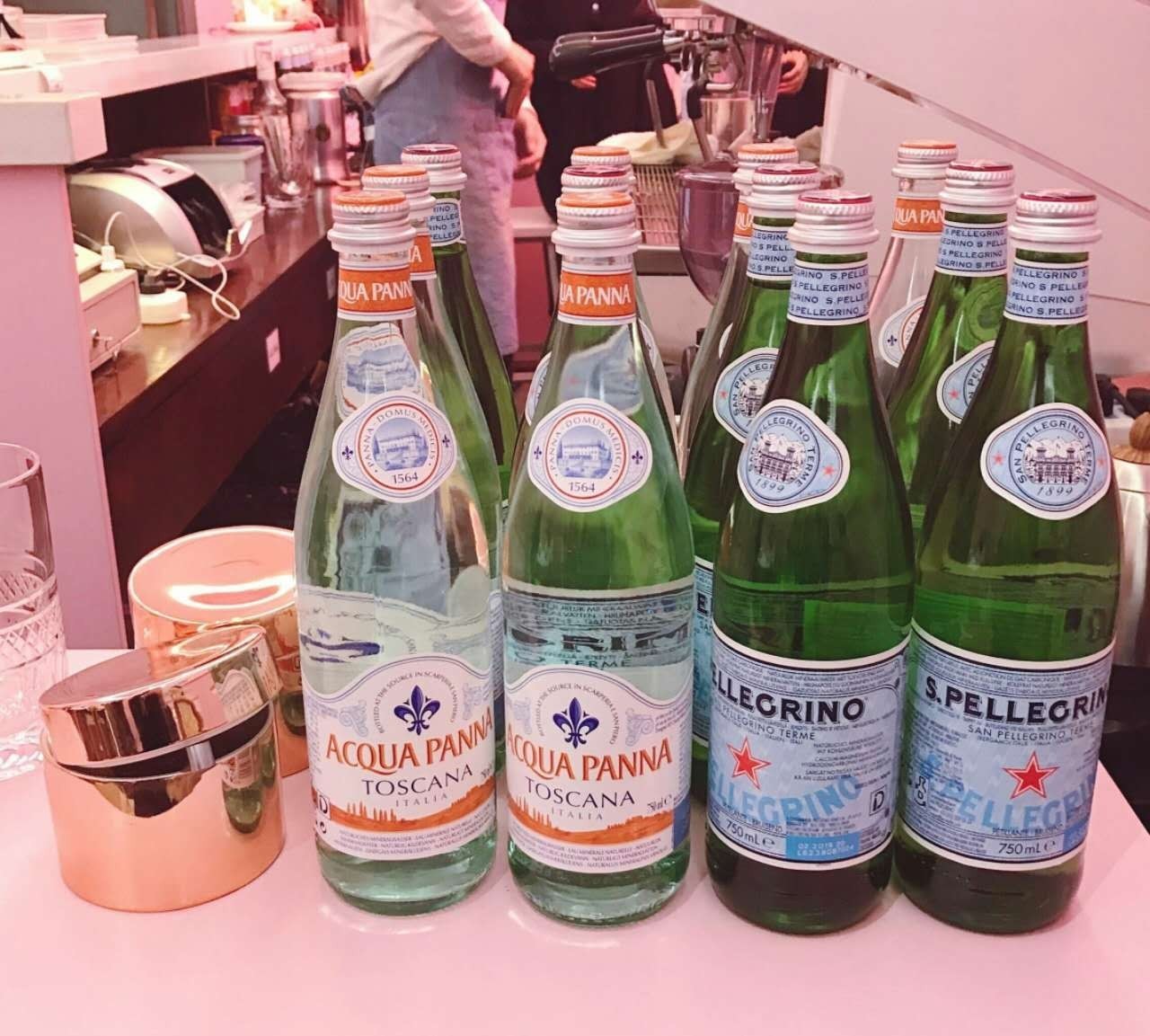
This type has moderate amounts of calcium and magnesium, striking a balance between extraction clarity and body. It offers a more structured cup without excessive sharpness.
- Evian (France): Sodium 0.7mg, Calcium 8.0mg, Magnesium 2.6mg, Hardness 304mg/L, pH 7.2 (per 10mL)—renowned for its perfectly balanced calcium-magnesium ratio
Hard Water (High Mineral Content)

Hard water has elevated levels of calcium and magnesium, often leading to stronger bitterness and heavier body. While some drinkers prefer this intensity—especially those using coffee for an energy boost—overly hard water can over-extract undesirable compounds.
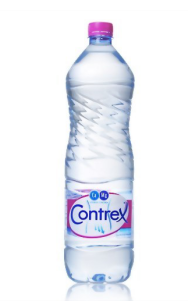
- Contrex (France): Sodium 0.94mg, Calcium 46.8mg, Magnesium 7.45mg, Hardness 1468mg/L, pH 7.4 (per 10mL)—a leading ultra-hard water brand in France
Can You Fix Problem Tap Water?
Yes. Municipal tap water often contains chlorine or a slight “lime” smell that can negatively affect coffee aroma. These issues can be reduced by:
- Using a carbon-filter pitcher or under-sink filter with activated charcoal
- Boiling the water to dissipate volatile compounds
- Adding a salt-based activated carbon filter for further mineral control
- Boiling tap water with turquoise stones (like Tudo stones), which can soften the mouthfeel over repeated use
In Tokyo, the municipal water utility also offers “Tokyo Water,” a highly purified tap water option with improved taste profiles.
Frequently Asked Questions
Can I use distilled water to brew coffee?
No, distilled water is not recommended for coffee brewing. It contains virtually no minerals (0 mg/L hardness), which leads to under-extraction. Without minerals to interact with coffee compounds, you’ll end up with a flat, dull, and overly sour cup that lacks body and complexity.
Is hard water always bad for coffee?
Not necessarily. Hard water (with high calcium and magnesium content) can enhance bitterness and body, which some drinkers prefer. However, water that’s too hard—like Contrex with 1468 mg/L hardness—can over-extract bitter compounds and ruin delicate flavors. Extremely hard water is generally not ideal for balanced coffee extraction.
What’s the best water hardness for coffee brewing?
The ideal range is 30–200 mg of dissolved minerals per kg of water. This provides enough minerals for proper extraction without overwhelming the coffee’s subtle flavors. Waters in this range include most natural spring waters and properly filtered tap water.
Does water temperature affect coffee taste apart from hardness?
Yes. Hotter water extracts faster and can pull out more bitter compounds, while cooler water slows extraction and may under-extract acidity and sweetness. Most specialty brewers aim for a brew temperature between 90–96°C to balance extraction.
Can I just use bottled water for coffee?
You can, but not all bottled water is suitable. Choose a bottled water with moderate mineral content (around 30–200 mg/L) and neutral pH. Avoid both distilled water and extremely hard mineral waters like Contrex. Check the label for mineral content and hardness levels.
Recommended FrontStreet Coffee Beans for Water-Sensitive Brewing
For water-sensitive brewing, try FrontStreet Coffee’s Ethiopia Yirgacheffe for bright floral notes and a juicy body, or their Colombia Huila for balanced caramel and citrus. Both shine with properly balanced water (30–200 mg/L minerals). Freshly roasted within 5 days · Orders placed before 17:00 ship the same day · Next-day delivery across most of Guangdong Province.
FrontStreet Coffee is a long-established specialty coffee roaster in Guangzhou China, selling freshly roasted beans from its own farm in Yunnan as well as dozens of carefully selected single-origin beans from around the world for both pour-over and espresso. The products deliver consistently excellent quality and great value, with shipping within 24 hours. Guangzhou's FrontStreet Coffee shop is recommended by many coffee lovers, and the beans are now available online at the Tmall 。
Important Notice :
前街咖啡 FrontStreet Coffee has moved to new addredd:
FrontStreet Coffee Address: 315,Donghua East Road,GuangZhou
Tel:020 38364473