
Specialty Coffee Beans
Latest articles, industry insights and brewing guides

Coffee or Tea in One Minute? The Story Behind Dr.drinks
Discover how a startup created a capsule-based system for making coffee or tea in under a minute, tailored to Chinese tastes.

Why Brazil Remains the World’s Coffee King
Brazil produces over a third of the world’s coffee and sets global market prices. Discover how it became—and stays—the global coffee leader.
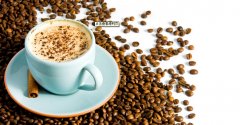
How to Brew Coffee at Home Without a Coffee Maker
Wondering how to make a good cup of coffee at home without buying a coffee maker? Try boiling your grounds for 10 minutes in an aluminum pot with water — it works.

How a Cup of Coffee Can Cost 1.40, 4.25, or 7 Euros
In France, the price of the same coffee can vary from 1.40 to 7 euros—depending entirely on your politeness. Here’s how it works.

What’s Your Zodiac Sign’s Ideal Coffee?
Discover the perfect coffee match for your star sign—from French milk coffee for Pisces to Irish coffee for Sagittarius.

What Is Chicory Coffee and Why Was It Used as a Coffee Substitute?
Chicory coffee is a roasted root-based brew with no caffeine. Historically used as a coffee replacement, it’s still blended into some coffees today.
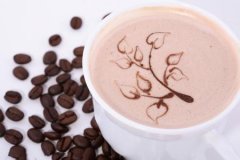
Hard Bean vs Soft Bean Coffee: What’s the Difference?
Hard bean coffee comes from higher altitudes, is denser, and usually tastes more acidic and complex. Soft bean coffee grows at lower elevations.

What Is Wet Processed Coffee?
Wet processed coffee is made by removing the fruit while the bean is still moist. This method enhances acidity and clarity, common in top specialty coffees.

What Is a Peaberry Coffee Bean?
Peaberry coffee beans are small, round beans found singly in coffee cherries instead of the usual two. They’re prized for brighter flavor and sell at premium prices, especially in Japan.

What Is Bourbon Coffee? Specialty Coffee Origins Explained
Bourbon coffee is an Arabica variety that originated on Réunion Island (formerly Bourbon) and thrives at 1,000–2,000 meters altitude.

What Is Shade-Grown Coffee and Why Birds Love It
Shade-grown coffee develops under native tree canopies, supporting migratory birds and often yielding better-tasting beans. Here’s how it works.

What Is Monsoon Coffee? The Indian Processing Method
Monsoon coffee is aged in open warehouses during India’s rainy season, reducing acidity and boosting body through prolonged moisture exposure.

What Is Caffeine and Where Does It Come From?
Caffeine is a natural compound found in over 100 plants like coffee, tea, and kola nuts. Learn how much is in your drink and daily intake averages.

How to Record Coffee Taste: A Simple Sensory Guide
Learn how to log coffee taste using a 1–5 scale for acidity, sweetness, aroma, bitterness, body, and astringency—plus tips for better cupping.

What Makes Jamaica Blue Mountain Coffee So Special?
Jamaica Blue Mountain coffee grows only above 2,000 feet in the Blue Mountains, famous for balance, low caffeine, and a limited annual yield under 2,500 tons.

How to Make Your Own Afternoon Coffee at Home
Learn where coffee comes from, how it’s grown and roasted, and how to pull your own espresso shot with milk at 60–65°C.
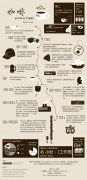
How Coffee Shaped America: A Historical Timeline
From colonial-era licenses to Starbucks' global rise, trace how coffee became embedded in American life through key historical milestones.

6 Coffee Basics Everyone Should Know
Learn the key differences between roast levels, coffee types, brewing methods, and milk drinks — essential knowledge for any coffee drinker.
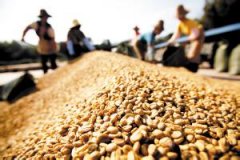
Washed vs Natural Coffee Processing Explained
Learn how washed and natural coffee processing methods affect flavor, aroma, and body in your cup. Key steps and outcomes compared.
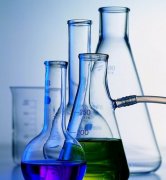
What Chemicals Are Really in Your Cup of Coffee?
Over 1,000 flavor compounds form in roasted coffee through Maillard and Strecker reactions. Here’s the science behind your brew’s taste.